As you get older, certain things that might not have mattered much in your younger years can start to feel more important.

For many, religion becomes more appealing as life changes. In fact, research has shown that people become more devout with age. But why is that? If you weren’t big on God before, what happens in life to change that perspective for so many people? Here are some possible explanations for what might be happening.
You start searching for a bit of solid ground in a changing world.
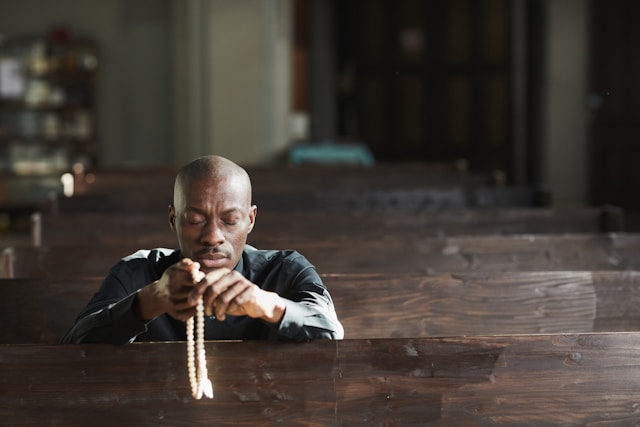
Living through a few decades teaches you pretty quickly that most things in life are built on shifting sands. Jobs come and go, friendships evolve, and the political landscape changes so fast it’ll give you whiplash. Religion, by its very nature, offers a sense of permanence and a connection to something that has stood for thousands of years.
There’s a massive amount of comfort in knowing that the prayers or meditations you’re saying are the same ones people were leaning on centuries ago. It provides a bit of structural integrity to a life that can sometimes feel like it’s spinning out of control.
You find a circle that doesn’t care about what’s on your CV.
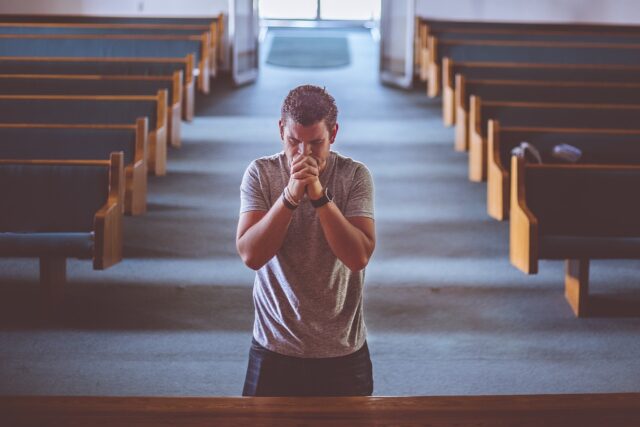
As you get older, your social circles can naturally start to shrink, especially once you’ve finished with the school runs or retired from the daily office grind. Religious communities offer a ready-made tribe that doesn’t care about your job title or how much you’ve got in the bank.
Being part of a congregation provides a regular rhythm of human contact and a sense of belonging that is becoming increasingly rare in our digital-first world. It’s a space where you’re seen as a whole person, valued simply for showing up and being part of the group, which is a powerful antidote to the isolation that often creeps in with age.
The need to make sense of the big stuff becomes unavoidable.
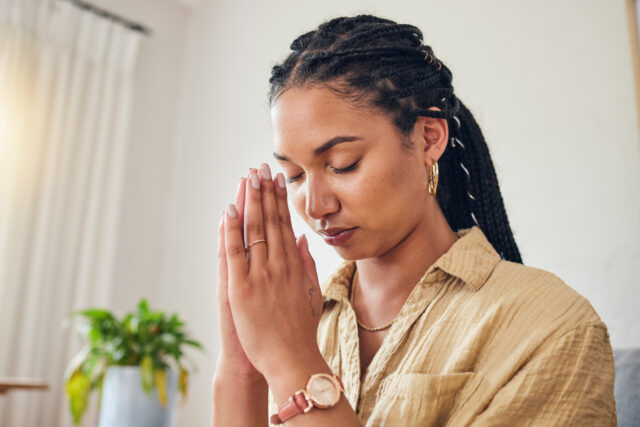
Most of us spend our younger years far too busy to worry about the meaning of life, but eventually, the pace slows down enough for those big questions to catch up. Religion provides a framework for understanding the things that science and logic can’t quite nail down—like why we’re here, how to handle deep grief, and what happens when the lights finally go out.
Having a narrative that explains the “why” behind our existence can be incredibly grounding. It turns a chaotic series of events into a story with a bit of purpose, making the challenges of ageing feel like part of a much larger, more significant journey.
You begin to appreciate the undeniable power of a good ritual.
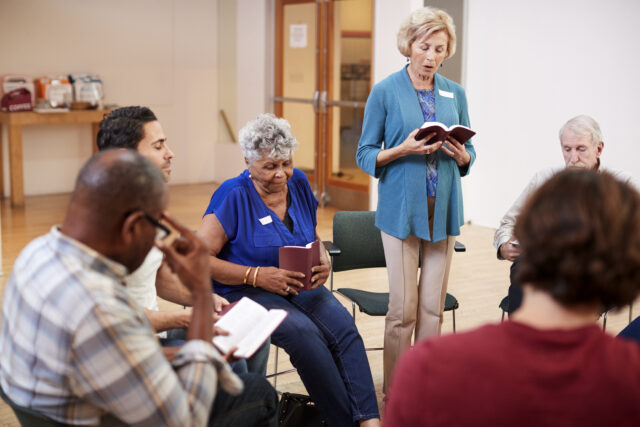
There is something deeply satisfying about a routine that has nothing to do with productivity. Whether it’s lighting a candle, attending a weekly service, or observing a particular holiday, these rituals act as anchors in your week. They provide a space for reflection that you’re unlikely to carve out for yourself in the middle of a Tuesday afternoon.
As life gets more complicated, these predictable, sacred moments offer a bit of mental breathing room, allowing you to step away from the noise of the news cycle and reconnect with a quieter, more intentional version of yourself.
Facing the reality of the finish line changes your priorities.

Let’s be honest: the closer you get to the end of the book, the more you care about how the story finishes. Mortality is a lot easier to ignore when you feel invincible, but once you’ve said goodbye to parents or peers, the concept of an afterlife stops being an abstract idea and starts being a massive source of hope.
Religion offers a way to process the fear of the unknown and provides a sense of continuity that nothingness simply can’t compete with. For many, faith isn’t about escaping reality; it’s about finding a way to face the inevitable with a bit more grace and a lot less anxiety.
Your focus switches from external to internal.

Most of your early life is spent chasing external markers of success—the house, the promotion, the perfect family photo. By the time you hit your later years, you’ve usually realised that those things don’t actually provide the lasting peace they promised. This often triggers a move toward inward growth.
Religion and spirituality offer a path for this internal exploration, focusing on things like forgiveness, gratitude, and humility. It’s a transition from wanting more stuff to wanting more meaning, and faith provides a time-tested map for exactly how to navigate that transition without getting lost in your own head.
Hindsight helps you see patterns you missed before.

When you look back at your life, you start to see patterns and “coincidences” that didn’t make sense at the time. You see the doors that closed for a reason and the random encounters that changed everything. From the vantage point of age, it’s a lot easier to believe that there might be a bit of a larger hand at work or a broader design that you couldn’t see when you were in the thick of it.
This hindsight often leads to a sense of spiritual gratitude, where you start to feel that your life hasn’t just been a series of random accidents, but a path that was always leading you toward a bit of hard-earned wisdom.
You start to value a source of wisdom that isn’t a Google search.
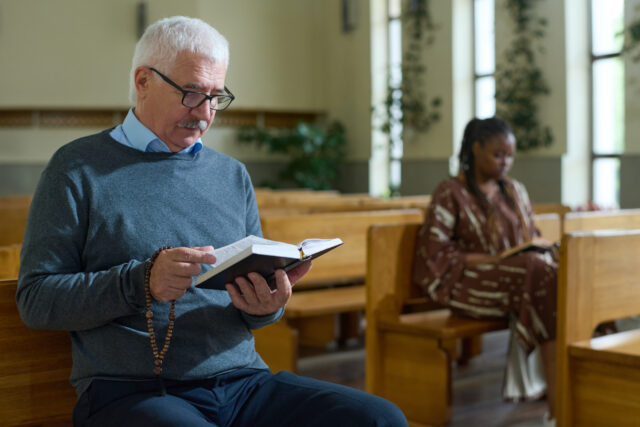
In a world that changes its mind every five minutes, there is something deeply attractive about a moral compass that isn’t tied to the latest social media trend. As you get older, you start to see through the hollow advice of self-help gurus and find yourself craving something with a bit more historical weight.
Religion provides a set of ethics and stories that have been road-tested by millions of people over thousands of years. It offers a way to navigate life’s trickiest dilemmas without having to reinvent the wheel every time you face a bit of trouble.
The desire to leave a legacy goes from material to spiritual.

When you’re younger, legacy usually means building a career or making sure the kids have a solid inheritance, but that focus often matures into something deeper as you age. You start thinking about the values and the spirit you’re going to leave behind once you’re gone.
Religion provides a framework for generative living—the idea of planting seeds for a garden you’ll never see. It encourages you to think about how your character and your faith might influence the next generation, giving your later years a sense of profound purpose that goes beyond just personal comfort.
Forgiveness becomes a necessity rather than an optional extra.
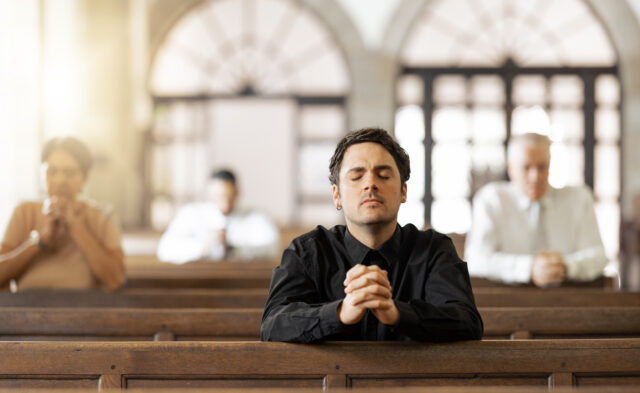
By the time you’ve lived for six or seven decades, you’ve likely accumulated a fair amount of emotional baggage, including things you’ve done that you regret and things others have done to you. Religion is one of the few places in modern society that has a formal, structured way of dealing with guilt and grace.
The older you get, the more you realise that you can’t carry that weight forever without it breaking you. Faith offers a path to genuine forgiveness, both for yourself and for those who’ve hurt you, which is essential for finding any kind of peace in your final chapters.
You find comfort in the beauty of sacred spaces and art.

There is an aesthetic side to religion that often starts to appeal more as the world becomes increasingly functional and bland. The architecture of a cathedral, the smell of incense, or the sound of a choir can stir something in you that a modern office block or a shopping centre never could.
These thin places where the physical and the spiritual seem to meet provide a sensory break from the mundane. As you age, you might find yourself drawn to these spaces simply because they offer a sense of awe and beauty that reminds you there’s more to life than just the daily grind.
Suffering starts to be seen as a teacher rather than the enemy.

When you’re young, any kind of pain or loss feels like a personal insult or a mistake that needs to be fixed immediately. However, after you’ve lived through a few health scares or personal tragedies, you start to realise that suffering is an unavoidable part of the human experience.
Religion doesn’t promise to take the pain away, but it does offer a way to find meaning within it. It provides stories of people who’ve suffered and come out the other side with more depth and compassion. This perspective is a massive help when you’re dealing with the inevitable physical decline that comes with getting older.
You need comfort in times of loss.

When you’re young, grief feels like a freak accident that’s interrupted your life, but as you get older, it becomes a much more frequent visitor. Religion provides a ready-made language for the moments when you’re literally speechless with pain. Having a set of rituals, whether it’s a specific prayer, a wake, or a formal period of mourning, gives you a track to walk on when the ground has been pulled out from under you.
It offers the incredibly healing idea that those you’ve lost aren’t just gone, but are part of a continuing story that you’re still a part of, too. This framework doesn’t make the sting of loss disappear, but it does wrap it in a layer of hope that makes the weight much easier to carry.
You’re drawn to the idea of spiritual growth.

In your earlier years, growth is usually measured by your salary, your waistline, or the size of your house, but those metrics start to feel a bit hollow once you’ve reached a certain age. You begin to crave a different kind of progress—one that’s measured in how much more patient, kind, or resilient you’ve become.
Religion offers a lifelong curriculum for the soul, giving you a reason to keep evolving even when your career has peaked. It’s the exciting realisation that while your body might be slowing down, your internal life can actually be expanding. The focus on becoming a better version of yourself provides a sense of adventure that has nothing to do with travel and everything to do with the person you’re becoming.
You’re looking for peace in a fast-paced world.

The modern world is calibrated for speed, constant noise, and the endless ping of notifications, which can feel increasingly aggressive as you get older. Religion acts as a massive “do not disturb” sign for the soul, offering a sanctuary where the frantic pace of 2026 simply isn’t allowed to enter.
Whether it’s the quiet hush of a chapel, the steady rhythm of a rosary, or the stillness of a meditation circle, these practices offer a rare chance to just be without having to produce anything. It’s a vital way to reclaim your own attention and find a bit of mental stillness in a culture that’s constantly trying to sell you something or make you angry. That quiet, sacred peace becomes the ultimate luxury as you move into your later chapters.