Over centuries, interpretations of the Bible have evolved, softened, and adapted to modern life, and rightfully so.

However, tucked within its pages are dozens of rules and moral codes that once informed daily behaviour, many of which barely get a mention now. From strict dress codes and dietary restrictions to unusual laws about fabrics and grooming, the Bible’s definition of “sin” used to reach into nearly every part of life.
Times have changed, though. Most people today cherry-pick the verses that align with modern values and quietly overlook the ones that don’t. What was once treated as a moral offence is now just a normal part of everyday living.
Here are just some of the so-called “sins” the Bible lists that almost nobody follows anymore, and how much the world has moved on since they were first written (thank God, pun intended).
1. Wearing clothes made from mixed fabrics

Leviticus specifically bans wearing garments made from two different materials blended together, like wool and linen mixed. Your average poly-cotton blend would’ve been an absolute no-go back then.
That’s one of those laws that literally nobody follows anymore, religious or not. You’d be hard-pressed to find anyone who checks clothing labels to make sure they’re not accidentally sinning by wearing their comfy joggers.
2. Eating shellfish or pork

Shrimp, crab, lobster, bacon, and pork chops are all listed as unclean and forbidden to eat. It’s right there in Leviticus alongside other dietary restrictions that were meant to be permanent.
Most Christians completely ignore this one now, happily tucking into prawns and bacon sarnies without a second thought. The dietary laws got quietly dropped somewhere along the way, even though they’re written the same as other rules people still follow.
3. Getting tattoos
Leviticus says you shouldn’t mark your skin or cut your body, which pretty clearly covers tattoos. It’s listed right alongside other commandments about how to live properly.
You’ll see plenty of religious people with full sleeve tattoos now without anyone batting an eye. That rule somehow became optional, while others from the same chapter stayed mandatory, depending on what people find convenient.
4. Trimming your beard or cutting your hair certain ways

There are specific instructions about not rounding the corners of your head or trimming the edges of your beard. Men were supposed to let their beards grow naturally without shaping them.
Nobody follows that anymore except maybe some very specific religious groups. Your average churchgoer gets regular haircuts and beard trims without considering it might be going against what’s written in their holy book.
5. Women speaking in church

Paul’s letters explicitly say women should remain silent in churches and aren’t permitted to speak, and if they want to learn anything, ask their husbands at home. It’s pretty unambiguous in the text.
Most modern churches have quietly decided that one doesn’t count anymore, with women speaking, teaching, and leading in various capacities. It’s there in black and white but gets explained away as cultural rather than eternal.
6. Charging interest on loans

The Bible repeatedly forbids charging interest when lending money to other people, calling it usury and listing it among serious sins. You were meant to lend freely without expecting anything extra back.
That’s completely ignored now, with Christian banks and individuals charging interest as standard practice. The entire modern economy runs on interest, and nobody seems bothered that it’s technically against biblical law.
7. Working on the Sabbath

Keeping the Sabbath holy meant doing absolutely no work, and breaking this rule was supposed to be punishable by death. It’s one of the Ten Commandments, so pretty high up the importance list.
Most Christians work Sundays or Saturdays without thinking twice, and shops stay open with religious people shopping in them. That commandment somehow became flexible when the others supposedly aren’t.
8. Women braiding their hair or wearing jewellery

The New Testament specifically instructs women not to braid their hair or wear gold, pearls, or expensive clothes. They’re supposed to dress modestly without adorning themselves.
You’ll see women in church every week with braided hair, wedding rings, and nice jewellery without anyone suggesting they’re sinning. That instruction gets ignored, while other appearance-based rules somehow still get enforced selectively.
9. Eating rare meat or anything with blood in it

The Bible forbids consuming blood in any form, which technically means rare steaks are off limits. The blood needs to be completely drained from meat before eating it.
Most people order their steaks medium-rare without considering this might be biblically problematic. It’s another dietary law that got dropped from the list of things Christians worry about following.
10. Remarrying after divorce

Jesus explicitly calls remarrying after divorce adultery, with very limited exceptions. It’s stated pretty clearly that if you divorce and marry someone else, you’re committing ongoing sin.
Churches are full of divorced and remarried people now, and most congregations have decided that’s fine, actually. That teaching gets softened or ignored, while other intimate ethics from the same passages stay strictly enforced.
11. Touching women during their periods

Leviticus says women are unclean during menstruation and anything they sit on becomes unclean, and anyone who touches them becomes unclean until evening. There were whole isolation procedures around it.
Nobody follows that anymore because it’s obviously impractical and degrading. But it’s in the same book as other rules people insist are eternal and unchangeable, showing how selective the application really is.
12. Planting two different crops in the same field

You weren’t supposed to plant your field with two kinds of seed or let different species breed together. It’s right there in the list of things not to do.
Farmers completely ignore this, planting multiple crops and breeding hybrid plants without anyone suggesting it’s against God’s law. It’s another one that got quietly filed under “doesn’t apply anymore” without explanation.
13. Calling anyone on earth your father
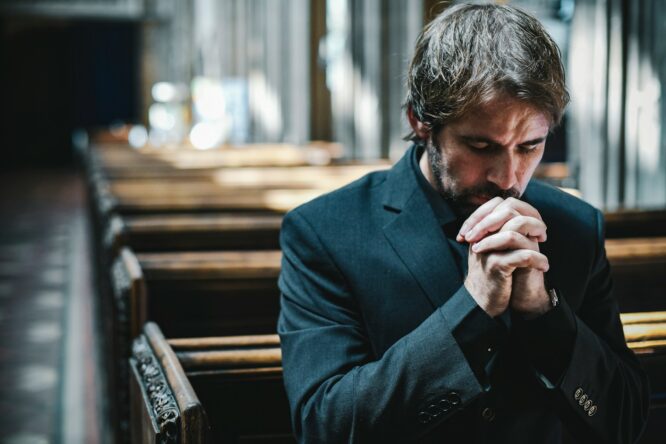
Jesus specifically says not to call anyone on earth father because you have one Father in heaven. It’s a direct instruction about what not to do.
Catholics call their priests father, and people generally use the term for their dads without thinking it might be problematic biblically. That instruction just gets interpreted away, while other statements from Jesus stay literal.
14. Storing up treasures on earth

Jesus pretty clearly teaches against accumulating wealth and possessions, saying you can’t serve both God and money. The instruction is to give to the poor and store up treasures in heaven instead.
Most Christians have savings accounts, retirement plans, and nice homes without seeing any contradiction. That teaching gets reinterpreted until it’s basically meaningless, while other parts about personal morality stay strictly literal.