This should be a pretty obvious concept to understand, but support that only shows up when it’s easy or performative isn’t real support.

Some people are quick to say they’re allies for the LGBTQ+ community, but only when there’s praise or comfort involved. When things get uncomfortable, complicated, or inconvenient, their so-called acceptance starts to fall apart. If you’ve ever felt like someone was more invested in how they looked as an ally than actually being one, here are some signs their support may be surface-level at best.
1. They only bring up queerness when it makes them look progressive.

If someone constantly talks about their LGBTQ+ friends or support, but only in public, on social media, or when it earns them points, it’s a red flag. Real support isn’t something you perform to look good. It’s something you live out, especially when no one’s watching. When someone makes it about how open-minded they are rather than what you actually need, it becomes less about the community and more about their image. That’s not allyship, it’s ego.
2. They disappear during tough conversations.

It’s easy to show up for the fun parts: think Pride events, parties, and sharing catchy slogans. However, when real issues arise like discrimination, trauma, or systemic inequality, some people suddenly go quiet. If they vanish the second things get heavy, their support was never deep to begin with. Being an ally means being there even when it’s uncomfortable. If they avoid those moments, they’re more interested in feel-good vibes than actually standing beside you.
3. They joke about queerness when they think it’s “just you” around.

When someone jokes about queerness in ways they’d never do around other people, or assumes you’re okay with it because you’re “one of the good ones,” it’s a clear sign they haven’t fully accepted you. They’re banking on your silence, while revealing how they really talk when it’s safe for them. Real support doesn’t vanish when you’re the only queer person in the room. If their respect has a time and place, it’s not respect at all.
4. They get uncomfortable when you’re too open about your identity.
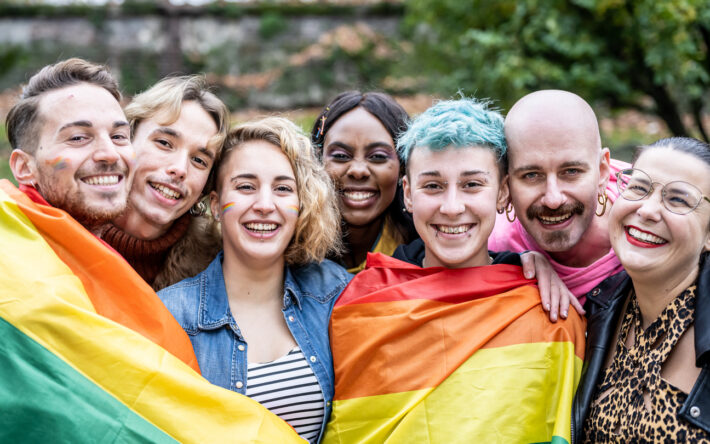
If someone tells you they’re fine with your identity but flinches when you talk about your partner, wear a certain outfit, or speak in a way they think is “too much,” their acceptance is conditional. They’re okay with queerness, as long as it doesn’t challenge their comfort zone. That’s not the same as embracing you. It’s asking you to shrink yourself to fit into their world, and that’s the opposite of support.
5. They don’t speak up when someone says something offensive.
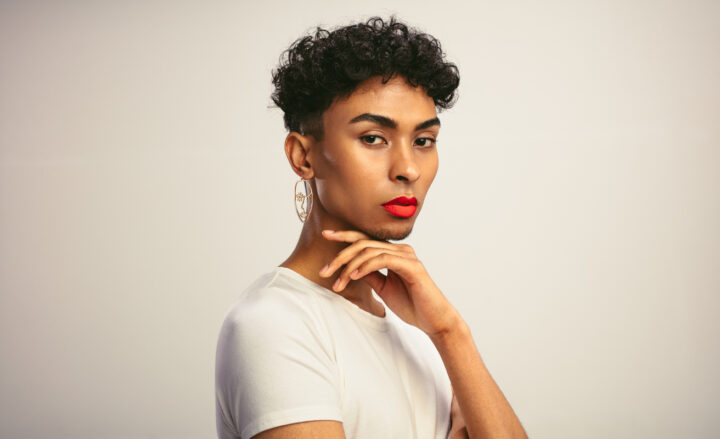
Watch what people do when homophobia or transphobia shows up in the room. If they stay silent, laugh it off, or change the subject, they’re protecting themselves, not you. Real support means saying something, even when it’s awkward. Allyship doesn’t only exist in private conversations. If they let bigotry slide in front of other people, they’re more worried about fitting in than standing up for what’s right.
6. They invalidate your experiences because they “don’t see it.”

When someone insists something isn’t a big deal because they haven’t witnessed it, they’re showing how shallow their understanding really is. It’s not their job to confirm your experiences; it’s their job to listen and believe you. Refusing to acknowledge subtle or systemic issues just because it’s not visible to them isn’t neutral, it’s dismissive. That kind of thinking keeps harm in place.
7. They only support queer people they personally find “acceptable.”

If their support depends on how “normal” or “palatable” someone is—if they’re okay with a gay coworker who “doesn’t act gay,” but uncomfortable around someone gender non-conforming—it’s not acceptance. It’s cherry-picking comfort zones. You don’t get to be an ally only to the people who make you feel at ease. Selective support is still exclusion, just dressed up to look polite.
8. They treat your queerness as a quirky side note.

Some people talk about your identity like it’s a novelty, a fun fact, or something that makes you more “interesting” to have around. But they avoid engaging with what that identity actually means in real life: how it shapes your relationships, safety, and daily choices. If your queerness is just a party trick to them, they’re not taking you seriously. It’s a subtle way of keeping your identity surface-level and detached from anything real.
9. They bring up how hard it is “being an ally.”

Ally fatigue isn’t the same as lived experience. If someone constantly talks about how “draining” or “difficult” it is to be an ally, they’re making it about them. Queer people don’t get to opt out when it’s tiring, so it’s telling when other people try to. Support shouldn’t come with guilt-tripping or emotional demands. If it does, it’s not genuine, it’s self-serving.
10. They change how supportive they are based on who’s around.
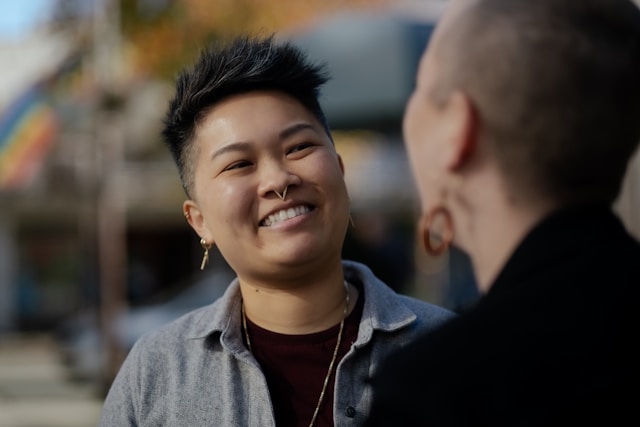
If they’re warm and supportive with you one-on-one but get awkward, distant, or cagey when their family or certain friends are around, their acceptance isn’t solid. It’s flexible, and it bends under pressure. You shouldn’t have to guess which version of someone will show up, depending on the room. If their support disappears in public, it was never fully there in private either.
11. They expect praise for doing the bare minimum.
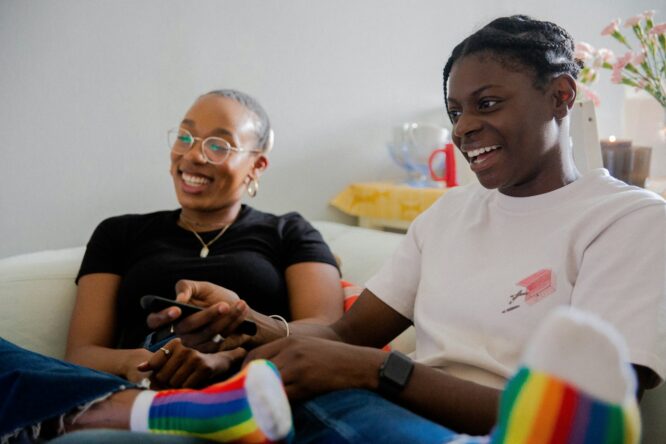
When someone wants to be applauded for using your pronouns, not being homophobic, or “letting” you be yourself, they’re revealing that their baseline is low. That’s not support. That’s basic decency. True allies don’t need a cookie for treating you like a human being. If they’re constantly fishing for validation, their motivation probably isn’t as pure as they think it is.
12. They only accept queerness when it doesn’t challenge their worldview.

Some people are fine with queerness as long as it aligns with what they already believe: monogamous couples, cisgender identities, quiet visibility. The moment you exist outside of that framework, their support starts to wobble. If someone only accepts queerness that looks and behaves in familiar ways, it’s not actual acceptance. It’s control dressed up as tolerance.
13. They keep asking you to explain the same things over and over.

One of the easiest ways to spot convenience-based support is when someone expects you to do all the emotional labour, repeatedly. They ask the same questions, forget what you said, and never take steps to educate themselves. It shows they’re not really invested in understanding. They just want you to do the work while they stay comfortable in the dark.
14. They treat queerness like a “phase” for other people, but never for themselves.

When someone questions other people’s identity timelines, mocks exploration, or says things like “they’ll grow out of it,” they’re revealing a deeper discomfort. They may accept your identity, but only because they’ve decided it’s real or valid by their own definition. If they can’t trust that people know themselves, it’s likely they’ve never truly made space for queerness in their worldview. It’s just something they’ve temporarily made room for in you.