It’s taken nearly two decades, but England now has something it’s never had before.
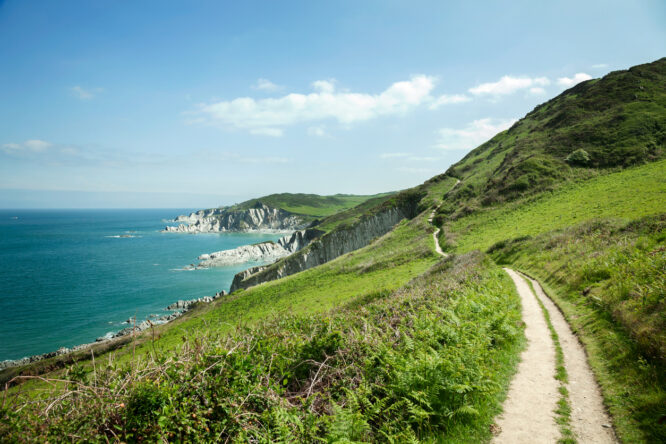
A single walking route that hugs the entire coastline, letting you follow the sea for as long as your legs can handle. The newly opened King Charles III England Coast Path stretches an incredible 2,689 miles, linking up beaches, cliffs, marshes, and towns into one continuous trail for the first time, and changing how people can experience the country from the outside in. Here’s what you need to know about this incredible new natural venture.
It’s the longest coastal walking route ever created.
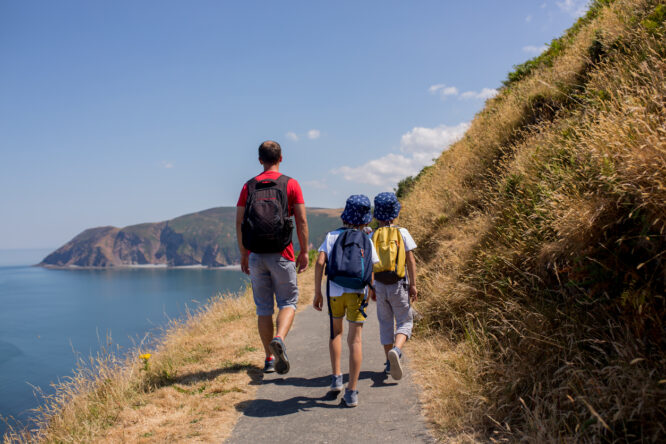
At 2,689 miles, this isn’t just a long walk, it’s the longest managed coastal path anywhere in the world. What makes it different is that it’s not a collection of separate trails stitched together, but a continuous route that allows you to start almost anywhere on the English coast and just keep going without interruption.
You could walk for days, weeks, even months, without ever leaving the shoreline. That’s the real appeal here. It turns England’s coastline into something you can experience step by step, rather than in isolated trips, giving it a sense of scale most people don’t fully appreciate until they see it laid out like this.
It’s been nearly two decades in the making.
The project didn’t happen overnight. It was first set in motion under Gordon Brown’s government and has taken 18 years to reach this stage, passing through multiple governments and planning phases along the way.
That time has gone into more than just building paths. It’s involved negotiating access with landowners, mapping safe routes, and dealing with the legal side of opening up coastal land, which is far more complex than simply drawing a line on a map.
More than 1,000 miles had to be built from scratch.
While large sections of the coast already had footpaths, huge gaps still existed. Over 1,000 miles of entirely new paths have been created to fill those gaps and turn the route into a complete loop that actually works in practice.
This has meant building boardwalks over wetlands, installing bridges, removing barriers like stiles, and resurfacing uneven ground. It’s the kind of work that makes the path usable for a much wider range of people, not just experienced hikers.
It opens up parts of the coast people couldn’t access before.
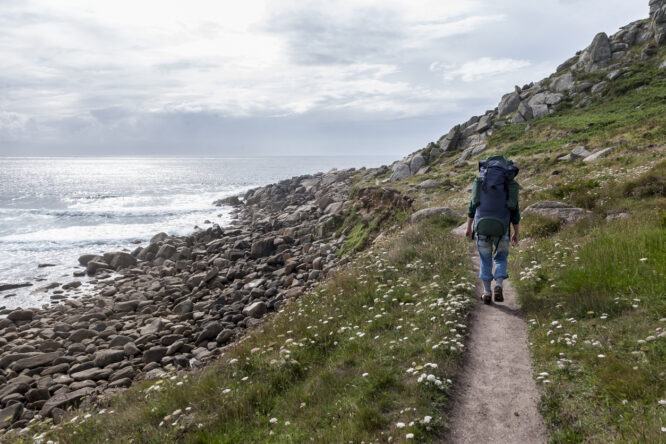
One of the biggest changes is access. In many places, land between existing paths and the sea used to be off-limits, meaning you could see the coastline but not properly reach it.
The new route creates a continuous strip of accessible land along the shoreline. That means people can explore beaches, walk across dunes, or simply sit by the water in places that were previously out of reach, which is a major shift in how the coast can be used.
The landscapes change constantly along the route.
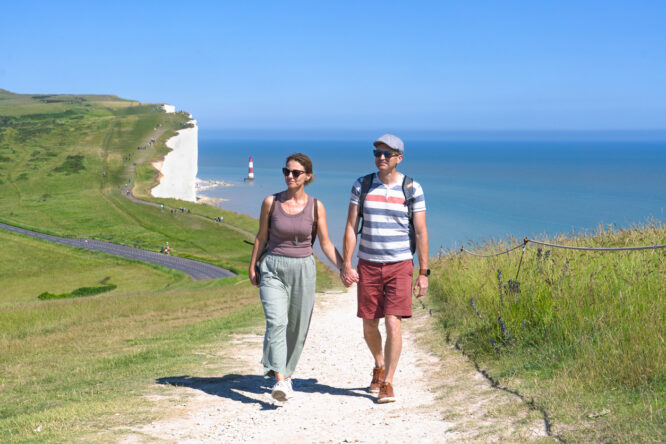
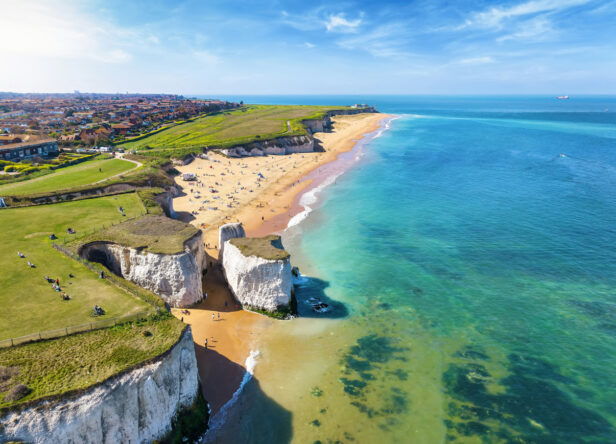
This isn’t one long stretch of the same scenery. The path moves through everything from sandy beaches and salt marshes to steep cliffs and traditional seaside towns, often changing quite quickly from one environment to another.
One of the standout sections runs through the Seven Sisters in East Sussex, with its chalk cliffs and open views. It’s a good example of how varied the coastline is, and why walking it in sections can feel completely different each time.
Some sections still come with a bit of adventure.
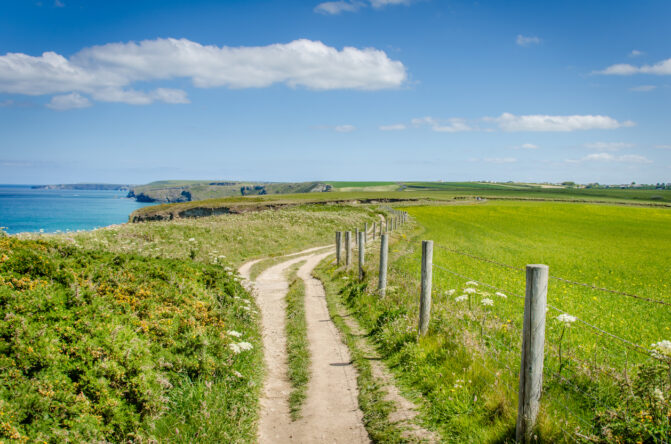
Despite all the work, the route isn’t completely straightforward everywhere. In certain spots, walkers still need to adapt to the landscape, whether that’s catching a ferry or planning around tides.
One of the more unusual stretches is at the River Erme in Devon, where there’s no bridge or boat crossing. To stay on the route, you have to wade across at low tide, which adds a slightly unpredictable element that breaks up the idea of it being a perfectly smooth path.
The path is designed to adapt as the coastline changes.
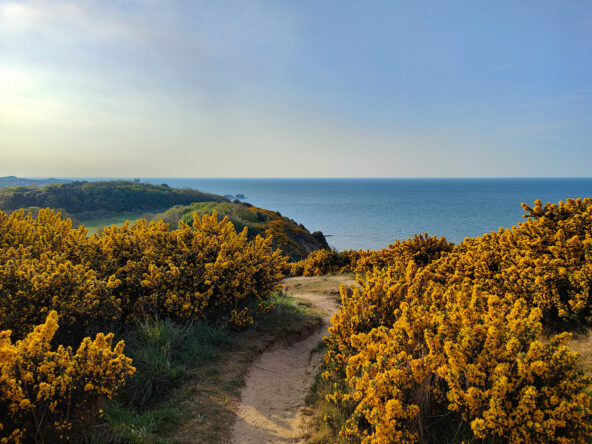
Unlike most walking routes, this one isn’t fixed forever. Coastal erosion, landslides, and rising sea levels mean the landscape is always shifting, so the path has been built with flexibility in mind. There’s a legal provision that allows sections to be moved inland when needed. This keeps the route continuous even as the coastline changes, rather than leaving parts of it unusable over time.
It’s already been tested by real conditions.
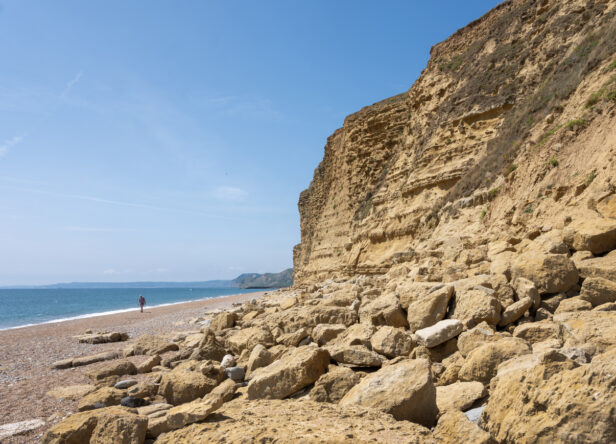
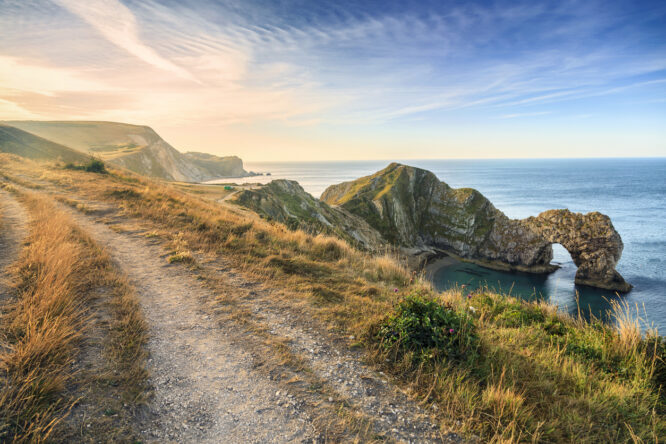
This flexibility isn’t just theoretical. Earlier this year, a landslip near Charmouth in Dorset wiped out part of the path after heavy rain, forcing a temporary diversion. Because of the rollback system, a new route was agreed and put in place within weeks. Without that option, it could have taken months to reopen, which shows how practical the design really is in real-world conditions.
It’s been described as a once-in-a-generation project.
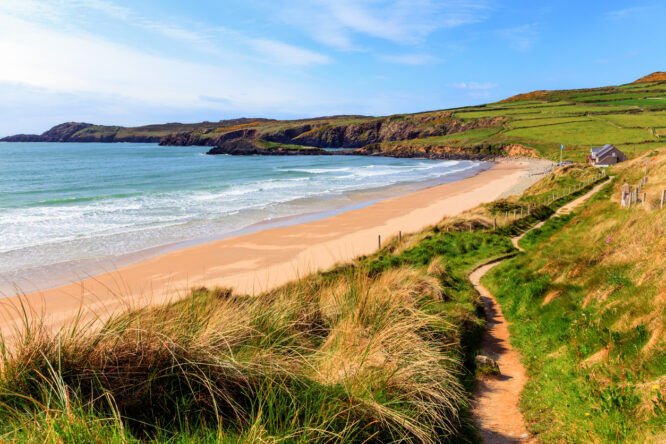
For the people involved, this isn’t just another infrastructure job. Many see it as the highlight of their careers, simply because of its scale and long-term impact. It changes how people think about the coastline. Instead of being something you visit in bits, it becomes something you can follow continuously, which feels like a completely different experience.
It connects with wider plans across Britain.

The new route doesn’t exist on its own. It links with the Wales Coast Path, which already covers the entire Welsh coastline and has been in place for over a decade. While Scotland doesn’t have a single official route, its access laws allow people to walk much of the coastline freely. Put together, there’s now a real possibility of walking around most of Britain in one extended journey.
Walking the full route would take serious time.
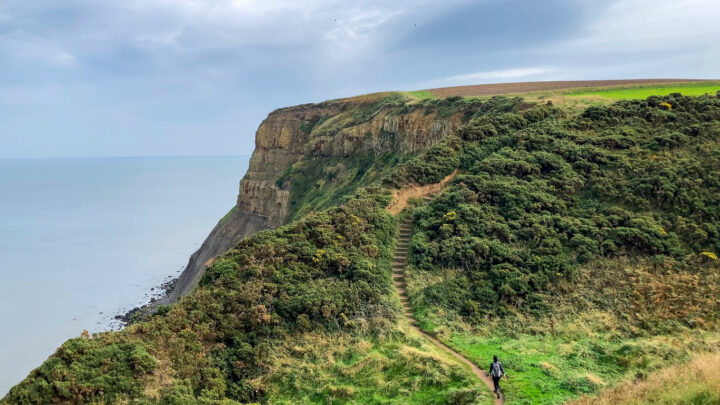
If you were to attempt the entire English coast path, it would take months. At around 15 miles a day, you’d be looking at roughly six months of walking without rest days. Most people won’t do the whole thing, but that’s not really the point. The route is designed so you can join it anywhere, walk a short section, and still feel connected to something much bigger.
It’s about access as much as it is about walking.
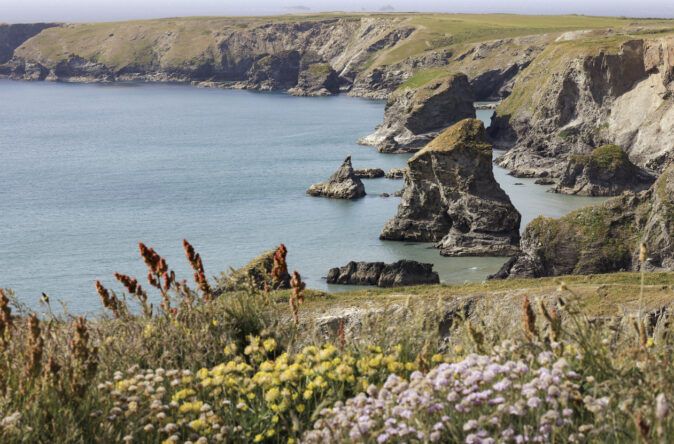
At its core, this isn’t just a long-distance trail for experienced walkers. It’s about making the coastline easier for more people to enjoy, regardless of how far they want to go. Whether it’s a short walk, a day out, or just sitting somewhere new by the sea, the path opens up parts of the country that felt harder to reach before, which is what makes it such a significant change.