With heatwaves becoming more frequent across the UK, plenty of people are considering air conditioning for the first time.

However, the cost of running AC gives a lot of people pause. Here’s a bit of good news, though: pairing solar panels with air conditioning could mean cooling your home for free during sunny spells, since the two work together in a surprisingly neat way. The sunnier and hotter it gets, the harder your air con works, but that’s also exactly when your solar panels are generating the most electricity. Here’s how this actually works in practice, and what it could mean for your energy bills.
Solar panels and air conditioning naturally work well together.
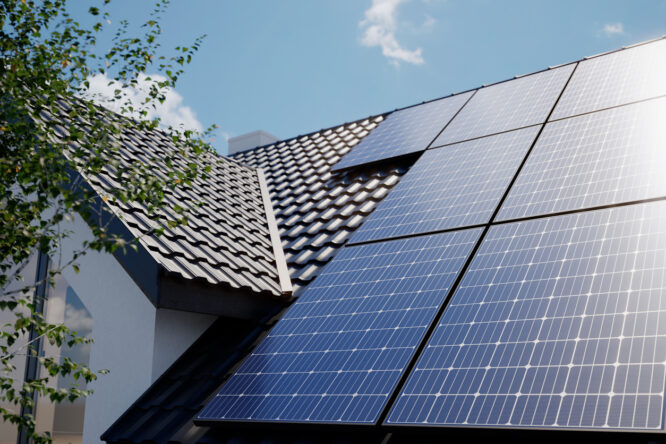
Solar panels sit on your roof and capture sunlight, turning it into electricity you can use straight away in your home. What makes this pairing so useful is that both technologies follow the exact same seasonal pattern, needing and producing the most energy during hot, sunny weather.
Without solar panels, every single unit of electricity your air conditioning uses has to be bought from the grid, adding directly to your bill. With solar panels installed, some or even all of that electricity can come from sunlight instead, meaning your air con effectively runs for free during those sunny hours.
A typical home solar system can power hours of air con each day.
During a recent heatwave, a typical rooftop solar setup in the UK generated enough electricity to power roughly five hours of air conditioning in a single day. Researchers found that over two particularly hot days in June, these systems produced around 15 kilowatt hours of electricity daily.
That figure matches almost exactly what a standard three kilowatt whole home air conditioning system would need to run for about five hours. Most UK homes have a solar system somewhere between four and five kilowatts, usually made up of around ten to twelve modern panels, though the exact amount generated depends on things like sunshine levels, which direction your roof faces, and how much shade it gets.
How much money could this actually save you?
Based on today’s average electricity price of around 26p per kilowatt hour, generating that 15 kilowatt hours yourself instead of buying it from the grid works out to a saving of roughly £4. That might sound modest for a single day, but it adds up quickly.
If a similar stretch of sunny weather continued for a full week-long heatwave, those daily savings could add up to around £28. Given how often the UK has experienced heatwaves recently, that’s a useful amount to shave off your energy bill during the hottest stretches of summer.
Timing is important when it comes to usage.
These savings aren’t guaranteed every single day, and when you use your air conditioning makes a real difference to how much you’ll actually save. Households running their air con during daylight hours, while the sun is out and panels are actively generating electricity, are the ones who benefit the most from this setup.
If you tend to cool your home later in the evening or overnight instead, you’ll likely still need to draw electricity from the grid, unless you’ve also invested in a home battery to store excess solar power for later use. That’s worth bearing in mind if evening cooling is more your household’s pattern than daytime use.
More UK homes are likely to need cooling in future.
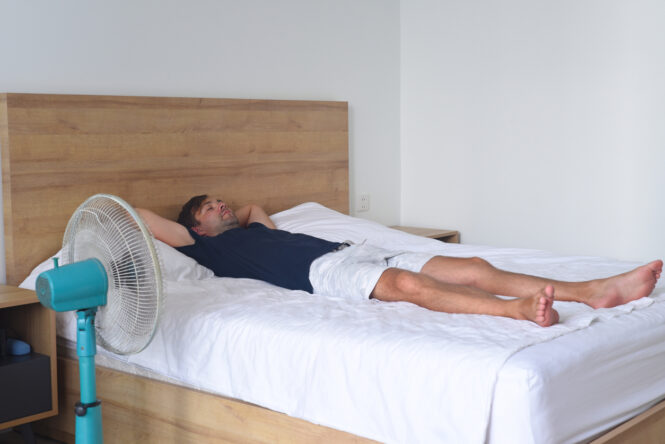
As hotter summers become more common across the UK, experts have suggested that a significant portion of British buildings could eventually need some form of active cooling if average temperatures continue rising. This is pushing more homeowners to seriously consider air conditioning, or alternatives like air source heat pumps that can cool as well as heat.
For anyone weighing up this kind of investment, solar panels are increasingly becoming part of that financial calculation rather than a separate decision entirely. Since both technologies work best under exactly the same weather conditions, installing them together makes a lot of practical sense for households expecting to use more cooling in the years ahead.
What it actually costs to get set up

A typical UK household of three to four people living in a three-bedroom home usually needs a solar system somewhere between four and five kilowatts to meet their energy needs comfortably. Installers generally price these systems based on cost per watt installed, which tends to fall somewhere between £1.30 and £2.20.
For an average four and a half kilowatt system, that works out to a total cost of up to around £9,900, though smaller systems or DIY kits can come in considerably cheaper. On the air conditioning side, a fully installed, multi room system for a standard family home typically costs somewhere between £3,000 and £6,500, depending on the size of your home and how many rooms need covering.
Selling back any electricity you don’t use is always an option.
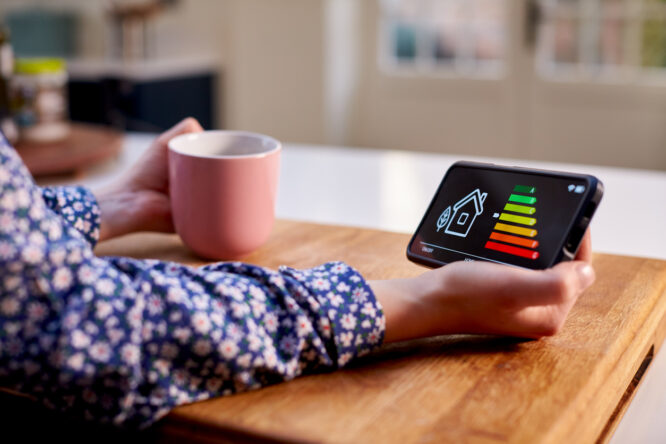
If your solar panels generate more electricity than your home actually needs at any given moment, that surplus doesn’t need to go to waste. Many energy suppliers offer export tariffs that pay you for sending unused electricity back to the grid, adding a bit of extra value on top of whatever you’re saving directly on your own bills.
One example currently on the market pays around 12p for every kilowatt hour of electricity exported back to the grid. Combined with the direct savings on running your air conditioning, this export income can help offset the upfront cost of installing solar panels a little faster over time.