The habit of ending the day by frantically scrolling through a feed of bad news and bright lights is finally starting to wear thin for a lot of us.

These days, more people are ditching the blue light in favour of “dusking”—the dead-simple practice of just sitting and watching the sun go down without any distractions. It’s a bit of a return to basics, really, because it isn’t about doing anything at all; it’s about giving your brain a chance to actually decompress as the light fades.
Instead of forcing a complicated meditation routine or a 10-step skincare session, the goal here is to just be still and let the natural transition from day to night do the heavy lifting for your nervous system. Before you reach for the remote or your phone tonight, here’s why this low-tech way to end the day is currently being hailed as the ultimate antidote to a frazzled mind.
It creates a proper break between your day and your evening.

Most people don’t really stop when the workday ends. They move straight from one kind of activity into another, usually swapping work stress for screen time without any real gap in between. Dusking puts a clear pause right in that transition, which is something modern routines tend to skip.
That short pause helps your mind catch up with where you actually are in the day. Instead of dragging the pace and pressure of earlier hours into your evening, you give yourself a moment where nothing is expected of you, which can change how the rest of the night feels.
Your body starts to recognise that the day is actually ending.

Artificial lighting has blurred the line between day and night. Homes stay bright, screens stay on, and your body doesn’t always get a clear signal that it’s time to slow down. Watching natural light fade helps reintroduce that signal in a way your system still responds to. As the light drops, your body begins transitioning into a more relaxed state. Hormones linked to sleep start to come into play, and that can make it easier to wind down later without feeling wired or restless.
It calms your mind without needing effort or technique.

A lot of people struggle with things like meditation because it feels like you have to do it properly to get anything out of it. Dusking doesn’t come with that pressure. You’re not trying to clear your mind or focus on your breathing, you’re just watching something change. That simplicity makes it easier to settle. Your attention drifts naturally to what’s happening around you, and without realising it, your thoughts start to slow down because there’s nothing feeding them.
It gives your brain a rest from constant stimulation.

Most of the day is filled with things demanding your attention, whether it’s notifications, conversations, or tasks. Even when you relax, it’s often with a screen, which keeps your brain active in a different way. Dusking is one of the few times when nothing is competing for your focus. The light changes slowly, sounds change gently, and there’s no urgency. That kind of low-level input gives your brain a chance to recover without switching off completely.
It helps reduce that background level of stress people carry all day.
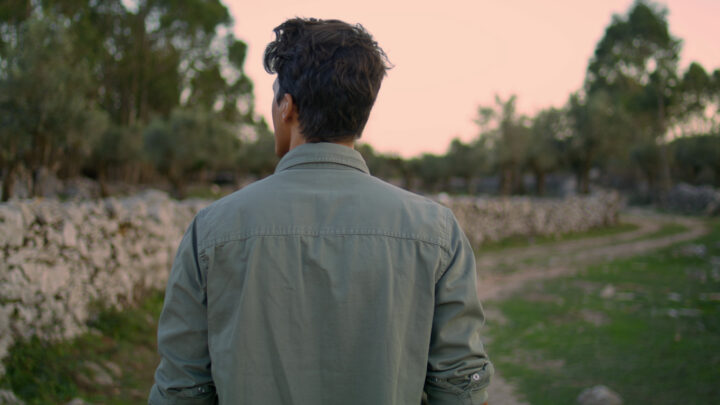
A lot of stress isn’t loud or obvious. It sits in the background as tension, overthinking, or a constant sense of being switched on. Spending time outside at dusk seems to take the edge off that without needing to actively deal with it. Your breathing slows, your body softens a bit, and things feel less intense. It’s not dramatic, but it’s noticeable enough that people tend to feel different afterwards, even if they didn’t expect to.
You start noticing your surroundings in a way you normally don’t.

When you’re not rushing or distracted, small details stand out more. The way the sky changes colour, how the light fades across buildings, or how the sounds around you change as evening sets in. That awareness pulls you back into the present without you having to force it. It’s one of those rare moments where your attention isn’t split between ten things at once.
It breaks the habit of going straight from busy to exhausted.

A lot of evenings follow the same pattern. You push through the day, then collapse into the sofa or scroll until you’re tired enough to sleep. There’s no real middle ground where things slow down properly. Dusking fills that gap. It creates a softer landing between activity and rest, which can make the whole evening feel less rushed and more settled.
It can make falling asleep feel more natural later on.

Because your body has had that signal that the day is ending, the transition into sleep later tends to feel less forced. You’re not trying to switch off from full brightness and stimulation straight into darkness. As time goes on, that can lead to better sleep patterns. It’s not an instant fix, but it helps your body follow a rhythm it’s already designed for.
It subtly reduces your reliance on screens in the evening.
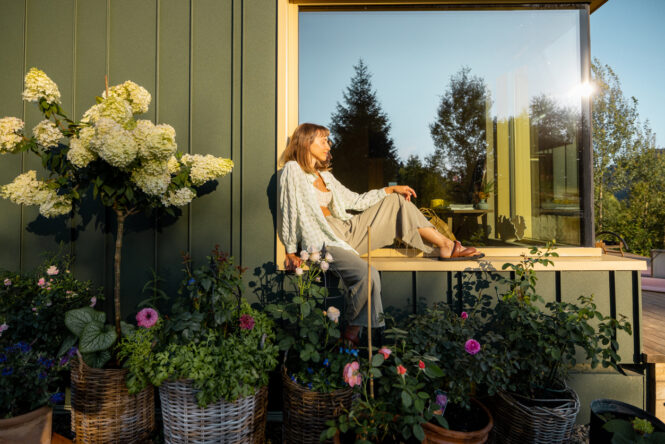
Even setting aside 15 to 30 minutes without a phone or TV can change how the rest of your evening plays out. You’re less likely to fall straight into endless scrolling if you’ve already stepped away from it once. That small break often carries over. It doesn’t mean you stop using screens altogether, but it takes some of the intensity out of that habit.
It reconnects you with a slower pace that’s easy to forget.

Life moves quickly most of the time, and there aren’t many moments where you’re encouraged to just stop and do nothing. Dusking brings back a slower rhythm, even if it’s only for a short time each day. That change in pace can feel surprisingly grounding. It reminds you that not every part of the day needs to be filled, managed, or optimised.
It can feel surprisingly social, even if you’re alone.

In some places, people naturally end up outside at the same time, whether that’s on a street, in a garden, or at a local green space. You might not talk much, but there’s a shared sense of winding down together. Even if you’re on your own, being in a space where others are nearby can ease that sense of isolation. It’s a quieter kind of connection that doesn’t require much from you.
It’s simple enough that you’re actually likely to keep doing it.

The biggest advantage of dusking is that there’s almost nothing to it. You don’t need equipment, planning, or any real motivation beyond stepping outside for a bit. That simplicity is what makes it stick. It doesn’t feel like another thing to keep up with, which is why people who try it often end up coming back to it without thinking too much about it.