When Dua Lipa quietly tied the knot at a London town hall recently with only eight guests in attendance, it sparked an interesting conversation about modern weddings.
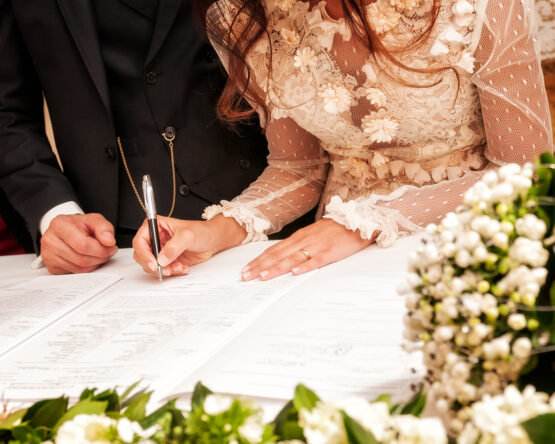
Once upon a time, a celebrity wedding meant a sprawling guest list of hundreds, a private island and a designer dress that hit every front page. Now, increasingly, even the biggest names in showbiz are opting for tiny, intimate ceremonies with just a handful of close people. So why are wedding guest lists getting shorter, and is the trend a sensible shift or just plain rude? Here’s an honest look at where wedding etiquette is heading.
There’s been a slow but steady move towards smaller weddings.
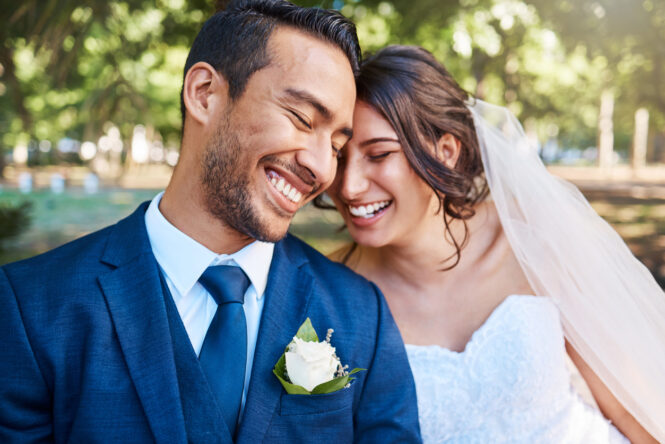
Since the pandemic, there’s been a clear move towards smaller, more intentional weddings. When couples were forced to strip everything back during Covid, plenty discovered they actually preferred it that way. The endless guest list, the second cousins they hadn’t seen in a decade, the work colleagues invited out of obligation, all of it suddenly felt unnecessary when they realised they could have a beautiful day with just the people who genuinely mattered.
That shift has stuck. Where once a small wedding was seen as a budget compromise or a sign something was off, now it’s increasingly viewed as the more thoughtful and stylish choice. Chic city ceremonies, intimate suppers and private vows are quietly becoming aspirational, even among couples who could absolutely afford the full circus if they wanted it. The big white wedding isn’t dead, but it’s no longer the only path to a respectable celebration.
Town hall weddings are more popular than ever.
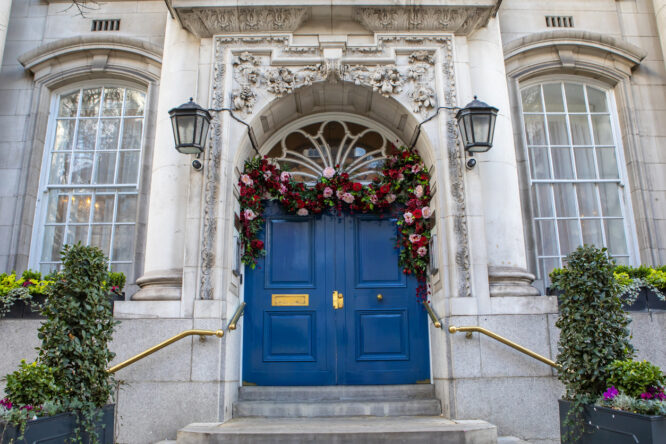
One of the clearest signs of this shift is the boom in town hall weddings, particularly in London. Famous registry offices like Old Marylebone and Islington have seen huge jumps in bookings over the past couple of years, with one report citing increases of roughly 29% and 51% respectively. These venues have become so popular that they’re now booked out months in advance, often by couples who could easily have hired a stately home if they’d wanted to.
Part of the appeal is the look itself. London town halls are gorgeous old buildings, full of charm and history, and they make for stunning photos without the wedding-venue cliché. Part of it is practical, with town hall ceremonies costing a fraction of a traditional venue. And part of it is the vibe. There’s something elegant about a small wedding in the middle of the city, followed by lunch at a favourite restaurant and a few hours of drinks somewhere relaxed.
There’s a bit of controversy over shrinking guest lists.

The big shift causing real debate isn’t the size of the venue, it’s the size of the guest list. Couples are increasingly inviting only people they have a direct, close relationship with, and that’s leading to some awkward decisions. Plus-ones are being cut, even for guests in serious long-term relationships. Distant relatives are being left off. Work friends are being politely told the day is family-only. Childhood mates who’ve drifted are being dropped.
For the couple, this can feel like the only way to keep the day manageable, intimate and really enjoyable. For the people left off the list, it can feel hurtful, especially if they’ve been a long-time fixture in the couple’s life. There’s no right or wrong answer here, but the trend is creating more friction than usual between couples and their wider social circles. Wedding etiquette is being rewritten in real time.
More and more couples are cutting plus-ones.

The plus-one question is the one causing the loudest grumbling. Traditionally, anyone in a serious relationship would be invited as a couple, with their partner welcomed as a matter of course. That convention is fading fast. Plenty of couples now say they’d rather have a smaller, warmer day with the people they actually know, rather than fill seats with partners they’ve barely met.
From the couple’s perspective, the maths is brutal. Inviting 50 guests with plus-ones means catering for a hundred. Cutting plus-ones means halving the cost, the planning, the seating chart and the chaos of the day. For the guest whose long-term partner has been left off, though, it can feel like a bit of a snub. There’s a real conversation to be had about how to handle these requests gracefully, and it usually starts with the couple being upfront early on rather than letting people guess.
There are plenty of pros to going small.
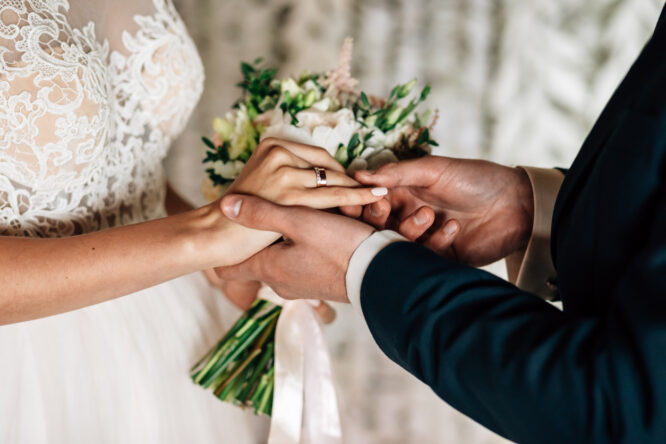
A small wedding has plenty of genuine advantages beyond the obvious savings. You can actually talk to every single guest properly, instead of vaguely waving at half of them across a packed marquee. The day feels calmer and more personal, with less of the production-line vibe that big weddings can fall into. The food can be better, the venue can be more exciting, and the whole experience can feel like a meaningful gathering rather than a logistical operation.
For the couple, the stress is dramatically lower. Smaller seating charts. Fewer dietary requirements to track. Less family politics to navigate. No need to invite people you don’t really like just because your parents insist. Plenty of couples who’ve done the small wedding route describe it as the best decision they made, with the kind of warmth and intimacy that simply isn’t possible at a 200-person event.
There are also a few hidden downsides of a small wedding.

That said, smaller doesn’t automatically mean easier. With fewer guests, every single one is visible, and the spotlight is much harder to share. You can’t quietly disappear during a slow moment, since there’s nowhere to hide. Every conversation feels weighted with significance, and there’s more pressure on each guest to mingle, contribute and help the day along.
There’s also the question of who you leave out, and the social fallout that can come with that. Cutting people from a wedding list often has consequences that ripple long after the day itself. Friendships have ended over wedding invitations. Family relationships have soured over plus-ones not being granted. Going small is genuinely simpler in some ways and more fraught in others, so it pays to think hard about how the people you leave off will react.
Plenty of couples are taking a hybrid approach.

For couples who want the best of both worlds, a popular new approach is the two-part wedding. The actual ceremony is kept tiny and personal, with just a handful of immediate family and closest friends. Then, a few weeks or months later, the couple throws a much bigger party, in a different venue, with a wider group of friends and family invited to celebrate without the formal trappings of an actual wedding.
This setup has plenty of perks. The legal bit is done quickly and intimately, with no nerves about a huge audience. The party part is fun, with no pressure to stick to a traditional running order or sit through long speeches. Some couples even host their big party abroad, turning it into a destination event for guests who fancy a trip. It costs more overall, but it lets you tick both boxes without compromising either one.
How to be intentional with your guest list
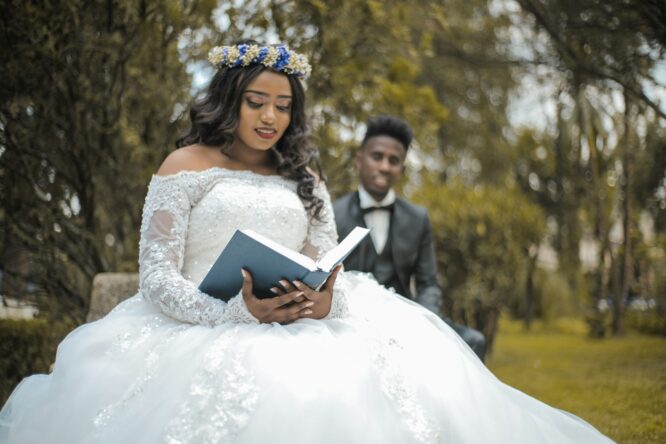
If you’re a couple planning a wedding right now, the biggest lesson from this trend isn’t necessarily to go small, it’s to go thoughtful. Be intentional about who you invite, rather than just defaulting to the maximum number your venue allows. Ask yourself who genuinely matters, who you’d want at the dinner table afterwards, and who you’d be sad not to share the day with.
That doesn’t have to mean cutting people. Plenty of couples genuinely love a big wedding and thrive on the energy of a packed room. Both ends of the scale are perfectly valid, but the trick is making the choice consciously rather than just doing what everyone expects. The point of a wedding is to celebrate you and the person you love, surrounded by the people who genuinely care about you both. Whether that’s eight people or 280 is entirely up to you.
How to handle being left off a guest list
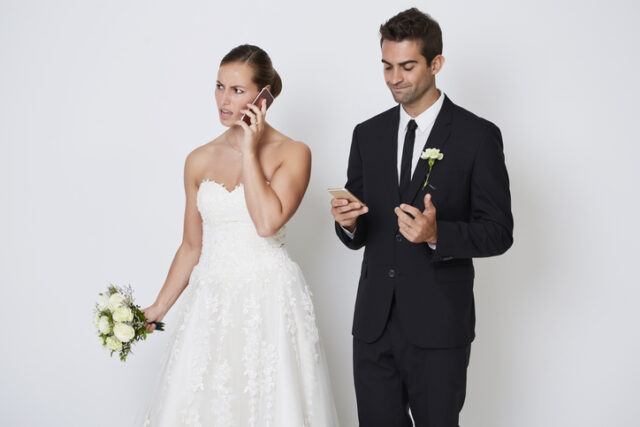
For anyone on the other side of the equation, it’s worth knowing how to handle the slightly awkward moment when you realise you haven’t been invited to a wedding you assumed you would be. The most important thing is to remember that it’s almost certainly not personal. Couples making smaller weddings are often agonising over their guest list, and many people they’d love to have there genuinely have to be cut for the sake of the day.
The healthiest response is to congratulate them warmly, send a card or a small gift if you want to, and not make a fuss. If the friendship is real, it’ll survive a missed invitation. If it isn’t, the wedding is just shining a small light on something that was already drifting. Either way, getting bitter about a guest list is one of the fastest ways to damage a friendship that might otherwise have lasted decades. Being graceful costs nothing, and it tends to be remembered.