Divorce after 50 used to be rare, but it’s becoming more and more common, and not just because people are living longer.

It’s a trend known as “gray divorce,” and it’s on the rise. For many of these couples, it’s not about scandal, infidelity, or dramatic midlife crises. It’s a lot subtler than that. It’s the slow realisation that something isn’t working anymore, and maybe hasn’t been for a long time. By the time the kids are grown, and the routines start to change, people are left with space to reflect, and what they find isn’t always what they hoped. Here’s what’s really driving the wave of over-50 divorces, and why it goes far deeper than most people assume.
1. They’re no longer willing to settle for “just okay.”
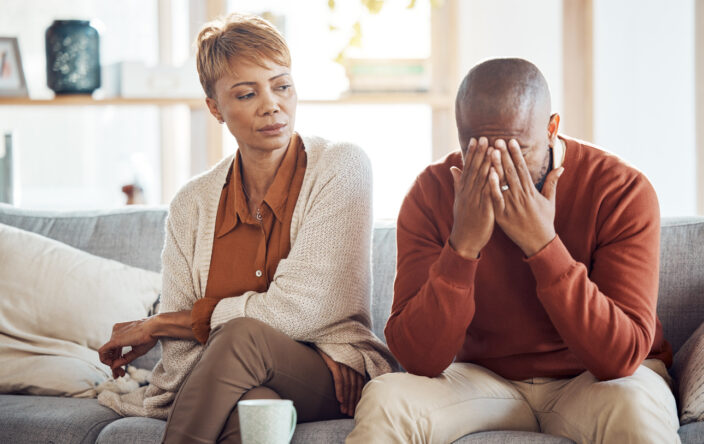
After years of compromise, some people wake up and realise they’ve been living in a relationship that feels more like cohabiting than connection. It’s not toxic, it’s not abusive; it’s just… flat. And in their 50s or 60s, they’re suddenly asking, “Is this all there is?” It’s less about wanting something wild and more about refusing to spend another 20 years in something that doesn’t feel alive. That quiet discontent builds over time, until eventually, staying feels harder than starting over.
2. The kids were the glue, and now they’re gone.

Many couples put everything into raising children, and that shared purpose kept them going. But once the kids move out, there’s nothing left holding the routine together. Without the constant motion of parenting, the cracks become impossible to ignore. Suddenly, two people who were once united by school runs and dinner prep are sitting in silence, realising they barely recognise each other anymore. It’s not down to a single fight; it’s years of growing apart under the surface.
3. Retirement brings more time, and more tension.

Being busy with work often masked relationship issues, but once retirement hits, the dynamic changes completely. People are spending more time together than ever before, and what used to be tolerable in short bursts becomes a constant presence. This newfound time can either deepen a bond or expose every frustration that’s been simmering for years. For some, it becomes clear they’re no longer compatible, and never really were, outside of the daily grind.
4. Women are gaining more financial independence.

In previous generations, many women stayed in unhappy marriages simply because they didn’t have the financial means to leave, but that’s changing. More women are working, managing their own money, and realising they don’t have to stay stuck. That change in power means they’re more willing to walk away if the relationship isn’t fulfilling. There’s no rebellion involved. It’s all about freedom, and the calm confidence that comes from knowing you can stand on your own.
5. Health scares make people re-evaluate everything.

A diagnosis, a hospital stay, or watching someone else get seriously ill can bring on a massive change in priorities. Suddenly, there’s no time to waste. Life becomes too short for pretending or putting things off “until later.” For some, that wake-up call means making big changes. If they’re unhappy in a relationship, staying starts to feel like a bigger risk than leaving. It’s about wanting peace, connection, or even just a different chapter, while there’s still time to live it.
6. They never truly resolved old resentments.

Long marriages carry history, and if past hurts were swept under the rug instead of properly dealt with, they don’t disappear. Instead, they just wait. Eventually, those unresolved issues become impossible to ignore. What starts as little irritations often points to deeper resentment that was never healed. After 20 or 30 years, some people decide they’d rather start fresh than keep carrying the weight of everything that’s gone unsaid.
7. They’ve outgrown each other emotionally.

People and values change, interests evolve, emotional awareness grows, and not always in sync. What felt like a perfect match at 30 can start to feel like a mismatch at 55. One person might become more self-aware or emotionally tuned in, while the other stays stuck in old patterns. There’s no blame to be assigned here. It’s just the realisation that growth doesn’t always happen in the same direction. When you stop speaking the same emotional language, it can feel like you’re living on different planets under the same roof.
8. There’s nothing left to distract them anymore.

Busy lives including kids, jobs, and other obligations make it easy to avoid hard truths, but when all those distractions start to fade, people are left sitting in the reality of their relationship. For some, that reality is painfully quiet. Without the constant buzz of daily chaos, they finally have the headspace to ask whether this relationship still makes them happy, or whether it’s just habit. For a surprising number of couples, the answer is uncomfortable but clear.
9. One person starts to do the inner work, and the other doesn’t.

Therapy, self-reflection, and personal growth all change how people relate to the world and their partners. However, if only one person is putting in that emotional effort, it creates a gap. Suddenly, conversations feel lopsided. Needs change. When one person is growing and the other is standing still, the relationship can start to feel stuck in a version of the past that no longer fits either of them.
10. Midlife brings a new sense of urgency.
At 25, it’s easy to coast. At 55, the weight of time feels different. There’s a sharper awareness that this might be the last phase to live freely, explore, or build something meaningful. That awareness makes people take stock, and make changes. Sometimes, that leads to big decisions, including ending a marriage that no longer feels right. It’s not always about wanting something new. It’s about no longer settling for what’s just familiar.
11. Intimacy, physical and otherwise, disappear.
Intimacy isn’t everything, but when it fades entirely and no one talks about it, the disconnection builds. For some couples, physical closeness becomes awkward, distant, or even completely absent, and they just accept it for years. However, as time goes on, the absence of affection can start to feel like rejection. People don’t necessarily want constant passion; they just want to feel wanted. When that need goes unmet for too long, it becomes a tipping point.
12. One person finally reaches their limit.

Some people spend decades biting their tongue, picking their battles, and trying to keep the peace. However, eventually, something gives. It’s not always a big blow-up; it’s just the subtle, internal realisation: “I can’t do this anymore.” From the outside, it might seem sudden, but for them, it’s been building for years. When that limit’s reached, there’s often no going back, just a quiet exit from something that’s already run its course.
13. They’re tired of pretending everything’s fine.

From the outside, the marriage might look perfect: nice house, holidays, smiling family photos. But behind closed doors, there’s a growing sense of emptiness or disconnect. Keeping up appearances starts to feel like a burden. Eventually, the emotional cost of pretending outweighs the benefits of staying. People choose honesty over image. Even if it’s painful, there’s relief in no longer having to fake a closeness that’s long gone.
14. They want something that finally feels like them.

After years of putting everyone else first—kids, partner, extended family—some people hit a point where they want to reconnect with themselves, not in a selfish way, but in a deeply human way. They want to be seen, not just needed. This can lead to major changes in careers, hobbies, and relationships, and sometimes those changes mean leaving a marriage that doesn’t feel like it honours who they’ve become. Rather than running away, they’re coming home to themselves.