Respect isn’t something you automatically get just because you’re the parent.

You can’t just demand it—you’ve got to earn it. The older your kids get, the more they’re capable of questioning the status quo, and blind obedience isn’t really a thing anymore. Once that happens, there are specific things that make kids stop taking their parents seriously without the adults even realising what’s happening.
1. Parents don’t follow their own rules.

When parents tell kids not to use phones at dinner but then spend the entire meal scrolling through their own devices, or lecture about honesty whilst lying to telemarketers, kids notice the hypocrisy and lose respect fast. Children have a built-in fairness radar that goes mental when adults don’t practice what they preach.
Start following the same rules you expect from your kids, and if you need to break a rule, explain why rather than pretending it didn’t happen. Kids respect parents who admit when they’ve messed up and hold themselves to the same standards they expect from their children.
2. They make promises they don’t keep.

Saying “we’ll go to the park later” and then conveniently forgetting, or promising a special trip that never materialises teaches kids that their parents’ words don’t mean much. Every broken promise chips away at trust and respect, even when the parent thinks it was just a small thing.
Only make promises you can actually keep, and if something genuinely prevents you from following through, acknowledge it and explain what happened. Kids understand when circumstances change, but they lose respect when parents act like promises never happened or weren’t important.
3. They never admit when they’re wrong.

Parents who refuse to apologise or acknowledge mistakes teach their kids that being an adult means never having to say sorry, which is obviously rubbish and kids know it. When parents double down on being wrong rather than admitting errors, children learn that power matters more than truth.
Apologise when you mess up, just like you expect your kids to do, and show them that admitting mistakes is a sign of strength rather than weakness. Kids respect parents who can say “I was wrong” or “I’m sorry” because it shows they value honesty over pride.
4. They dismiss their children’s feelings constantly.

Telling kids their emotions are silly, wrong, or unimportant teaches them that their inner experience doesn’t matter to the people who are supposed to care most about them. When parents brush off genuine feelings with phrases like “you’re being dramatic” or “it’s not a big deal,” kids feel unheard and disrespected.
Listen to what your kids are actually feeling and validate their emotions even when you don’t agree with their reaction. You can acknowledge that they’re upset about something whilst still maintaining boundaries about behaviour, and kids respect parents who take their feelings seriously.
5. They expect respect without earning it.

Parents who demand respect simply because they’re the adult, without demonstrating why they deserve it, often find their kids becoming more defiant and less cooperative over time. Respect based purely on authority without any substance behind it doesn’t last, especially as children get older and more independent.
Show your kids why you deserve respect through your actions, consistency, and the way you treat them and other people. Respect is earned through trustworthiness, fairness, and genuine care, not through titles or the ability to impose consequences.
6. They’re inconsistent with rules and consequences.

When the same behaviour gets wildly different responses depending on the parent’s mood, kids learn that rules aren’t really rules, but just whatever the adult feels like enforcing at any given moment. That inconsistency makes children feel like they’re walking on eggshells and never knowing what to expect.
Establish clear rules and consequences that don’t change based on your stress levels or mood, and if you need to adjust something, explain why rather than just changing things randomly. Kids respect parents who are predictable and fair rather than those who operate on emotional whims.
7. They compare their kids unfavourably to other people.

Constantly telling children how much better other kids are at sports, school, or behaviour makes them feel like they’ll never be good enough for their parents’ approval. The comparison game destroys self-esteem and makes kids resent both their parents and the children they’re being compared to.
Focus on your own child’s progress and effort rather than how they measure up to siblings, classmates, or neighbours’ kids. Kids respect parents who see their individual strengths and help them improve, rather than those who make them feel like disappointments compared to everyone else.
8. They don’t listen to their children’s perspectives.

Parents who make decisions without considering their kids’ input or opinions teach children that their thoughts and preferences don’t matter in their own lives. When parents refuse to hear their children’s side of stories or consider their viewpoints, kids feel powerless and unvalued.
Ask for your children’s opinions on decisions that affect them, and genuinely listen to their reasoning even when you ultimately decide differently. Kids respect parents who consider their perspectives and explain decisions rather than those who just impose their will without discussion.
9. They invade their children’s privacy unnecessarily.

Reading diaries, going through phones without cause, or sharing embarrassing stories about their kids in front of other people shows a lack of respect for children as individuals with their own rights to privacy and dignity. Kids lose respect for parents who treat them like property rather than people.
Respect your children’s need for age-appropriate privacy and only invade it when there are genuine safety concerns rather than simple curiosity. Kids respect parents who treat them like individuals with boundaries rather than extensions of themselves with no rights.
10. They’re emotionally unpredictable or explosive.
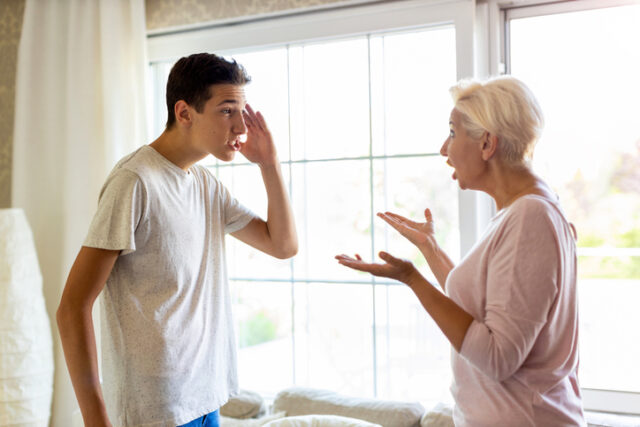
Parents who have massive emotional reactions to minor problems or whose moods change unpredictably make their children feel unsafe and anxious around them. Kids lose respect for adults who can’t manage their own emotions whilst expecting children to control theirs perfectly.
Work on managing your own emotional reactions and model the kind of emotional regulation you want to see from your kids. Children respect parents who can stay calm under pressure and handle stress without taking it out on their family.
11. They don’t keep their children’s confidences.

When kids share something private and parents immediately tell other adults about it, children learn that their parents can’t be trusted with sensitive information. That betrayal of confidence damages the parent-child relationship and makes kids stop sharing important things.
Keep your children’s secrets unless there are genuine safety concerns, and if you need to share information with other adults, explain why and get permission when possible. Kids respect parents who can be trusted with their private thoughts and problems.
12. They criticise more than they praise.

Parents who focus primarily on what their children are doing wrong whilst rarely acknowledging what they’re doing right create an atmosphere where kids feel like they can never please their parents. Constant criticism without recognition kills motivation and damages self-esteem.
Make sure you’re noticing and commenting on good behaviour at least as much as you correct problematic behaviour, and be specific about what you appreciate. Kids respect parents who see their efforts and achievements rather than those who only notice their failures.
13. They don’t follow through on consequences.

When parents threaten consequences but don’t actually implement them, or give in after kids complain enough, children learn that their parents’ words don’t really mean anything. Empty threats teach kids that persistence in arguing will eventually wear their parents down.
Only set consequences you’re actually willing and able to follow through on, and stick to them even when kids protest or try to negotiate their way out. Kids respect parents whose words mean something and who follow through on what they say they’ll do.
14. They don’t treat their children with basic courtesy.

Parents who interrupt, dismiss, or speak rudely to their children whilst expecting politeness in return show a double standard that kids find infuriating and disrespectful. When adults don’t use the same manners they demand from children, it sends the message that respect only flows one direction.
Use the same courtesies with your children that you’d use with other adults, like saying please and thank you, listening when they speak, and treating their time and interests as valuable. Kids respect parents who demonstrate the behaviour they want to see rather than just demanding it.