Office habits have a way of becoming part of the furniture, especially the ones nobody really talks about but everyone notices.

Lately, one of those has picked up a name: the “loo lurker.” It’s pretty much exactly what it sounds like: the colleague who seems to disappear to the toilet a bit more often, or for a bit longer, than expected or necessary, often (but not always) on purpose and to get out of doing their actual job. It sounds like no big deal on the surface, but the fact people instantly recognise it says a lot about how common it’s become across UK workplaces.
People who do this are easy to spot straight away.
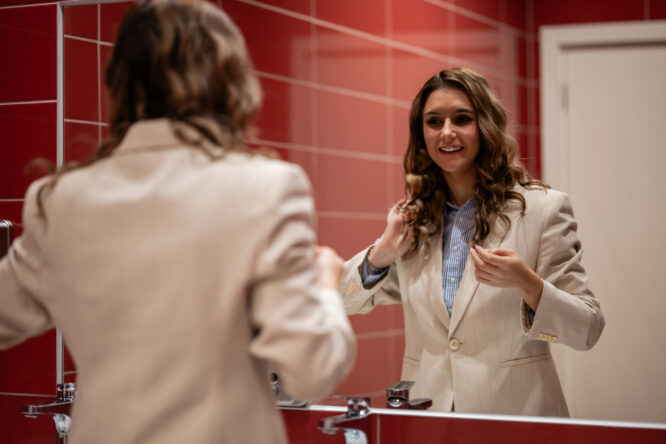
What people tend to notice isn’t just someone stepping away for a break. It’s the regularity of it, or the timing. The same person might leave just before something starts, or go missing at points in the day when things get busy. As time goes on, that creates a pattern people pick up on without really meaning to.
Once a label like that forms, it can follow someone around, whether it’s fair or not. Even normal breaks can start to look suspicious if people already expect to see that behaviour, which is how a small habit turns into something that gets talked about across the whole office.
It’s often seen as time-wasting, but that doesn’t always reflect reality.

From the outside, it can look like someone is stretching out their day or avoiding certain tasks. In busy teams, especially where workloads are shared, that perception can quickly lead to frustration.
Of course, the reality is often less clear-cut. Some people step away because they genuinely need to, whether that’s for health reasons, stress, or just needing a moment to reset. Without knowing the reason, it’s easy to jump to conclusions that don’t quite match what’s actually going on.
Modern office environments leave very little space to pause.

In many workplaces, the day moves quickly. Open-plan offices, constant messages, and packed schedules mean there’s rarely a natural moment to stop and catch your breath.
For some people, stepping away to the bathroom becomes one of the only ways to get that break without needing to explain themselves. It’s not always about avoiding work, it’s sometimes about finding a small pocket of quiet in a day that doesn’t offer many.
That pressure builds up in ways people don’t always notice.

Even when workloads are manageable, the feeling of always being “on” can wear people down. Sitting in the same place for hours, dealing with constant input, and not having a clear pause point can make the day feel longer than it actually is.
Small breaks start to matter more in that kind of environment. When there isn’t an obvious way to take one, people find their own way, even if it ends up being misunderstood by others.
Managers are aware of it, but rarely step in.

Most managers will notice patterns like this over time, but it’s not something they rush to address. It sits in a grey area where it’s hard to prove intent and even harder to raise without sounding accusatory. There’s also the risk of getting it wrong. If someone has a legitimate reason for taking more breaks, questioning it can quickly turn into a much bigger issue than leaving it alone.
That’s why it often goes unspoken, even when people notice it.

In many offices, it becomes one of those things everyone is aware of but no one formally addresses. It might come up in quiet conversations or jokes, but rarely in a direct or official way. That silence doesn’t mean it has no impact. It just means the issue is sitting under the surface rather than being dealt with openly.
It can still affect how teams feel about fairness.

When one person’s behaviour starts to stand out, it can create a sense that things aren’t being shared evenly. Even if the difference is small, people tend to notice when they feel like they’re carrying more of the load. That doesn’t always lead to conflict, but it can change how people see each other. In the long run, those small perceptions can build into something that impacts morale.
Trying to control it too tightly can backfire.

Putting strict rules around breaks or monitoring how long people are away might seem like a solution, but it often creates a different problem. It can make the workplace feel more rigid and less comfortable. Instead of solving the issue, it can push it elsewhere. People may still take breaks, just in ways that are less visible or harder to manage.
The bigger issue is how work is structured.

When people feel like they can’t step away without being judged, they’re more likely to look for indirect ways to do it. That’s where behaviours like this tend to come from. If the environment allowed for more natural pauses, those patterns might not stand out in the same way. It’s less about the individual and more about how the day is set up.
It’s also tied to how people manage their own energy.

Not everyone works at the same pace or in the same rhythm. Some people can stay focused for long stretches, while others need more frequent breaks to stay productive. When those differences aren’t acknowledged, they can come across as inconsistency instead of just a different way of working.
The ‘loo lurker’ idea says more about modern work than it does about individuals.
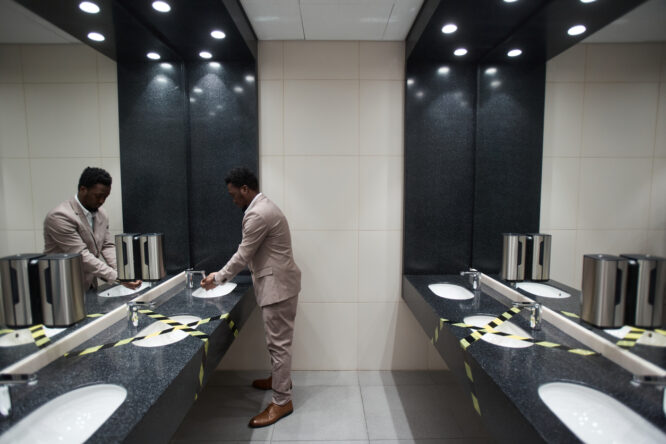
It’s become a talking point because it reflects something wider. People are trying to manage pressure, expectations, and long stretches of focused work without many built-in breaks. What looks like a small habit is often a response to that. It’s a way of creating space in a system that doesn’t always provide it.
For these reasons, it’s unlikely to disappear anytime soon.

As long as office environments stay fast-paced and tightly structured, people will continue to find small ways to step away. Whether it’s noticed or not, those habits are part of how people cope with the day, even if they’re not always understood by everyone around them.