Some of the best clues we have about staying strong as we age don’t come from gyms or health trends—they come from space.
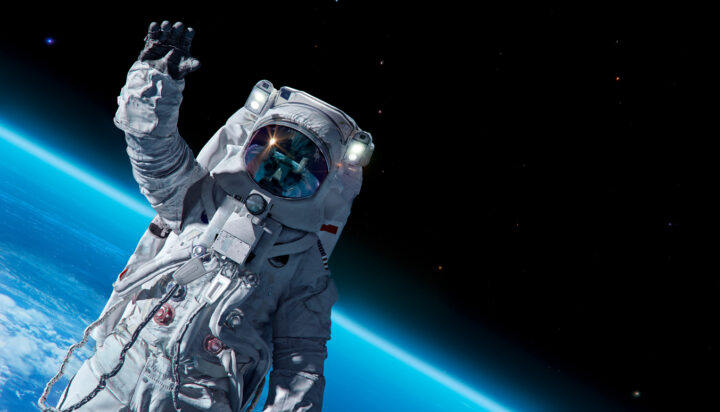
When astronauts leave Earth, their bodies go through changes that look a lot like ageing, only much faster. Muscles weaken, bones lose density, balance systems change, and even the spine behaves differently. Because it happens so quickly, scientists can study it in a way that simply isn’t possible with normal ageing.
Space shows us what happens when the body isn’t used properly.

The key thing to understand is that the human body is built around resistance. On Earth, gravity provides that resistance all the time. Every step you take, every time you stand up, your body is working against it without you even thinking about it.
In space, that constant pressure disappears. Without it, the body adapts by doing less. Muscles shrink, bones weaken, and the systems that keep you stable start to lose their edge. It’s a clear example of what happens when the body isn’t being challenged.
Why the changes in space happen so quickly
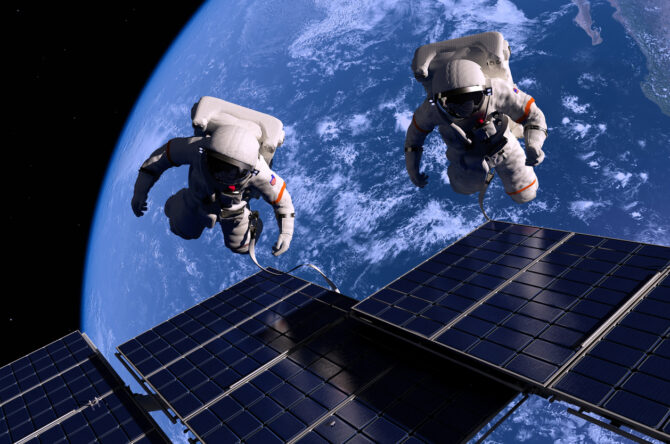
In microgravity, the body doesn’t need to hold itself up in the same way. That means muscles, especially in the legs and core, stop working as hard almost immediately. As a result, astronauts can lose muscle strength and bone density far faster than people on Earth. It’s not because space is damaging on its own, it’s because the body simply stops maintaining what it doesn’t need.
The same process happens on Earth, just more slowly.

Most people won’t experience anything as extreme as microgravity, but the underlying process is the same. When movement drops off, the body adjusts to that lower demand. As time goes on, this can lead to reduced strength, poorer balance, and a general feeling that everyday tasks are becoming harder. It doesn’t happen overnight, which is why it’s often overlooked.
Astronaut training is built around one key idea: resistance.
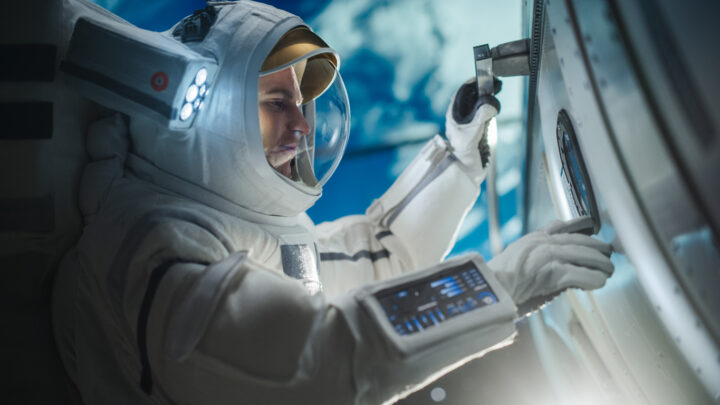
To counter these changes, astronauts follow strict exercise routines that focus heavily on resistance. This includes movements that simulate lifting, pushing, and pulling against force. These exercises are designed to replace the role gravity normally plays. They give the body a reason to hold onto muscle and bone instead of letting it decline.
Why resistance matters more than general movement
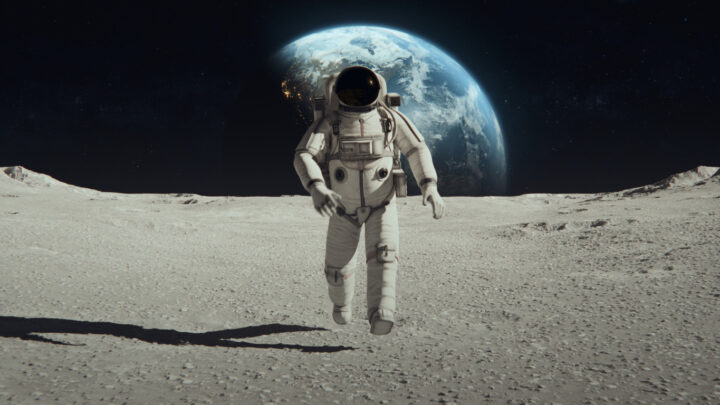
There’s a big difference between being active and actually maintaining strength. Walking and light movement are helpful, but they don’t always challenge the body enough to preserve muscle over time. Resistance-based movement forces your muscles to work harder. That’s what signals your body to maintain strength rather than gradually letting it go.
The body responds quickly when activity drops.
One of the most striking things about space research is how fast the body changes when it isn’t being used properly. Even short periods of reduced activity can have noticeable effects. On Earth, this happens more slowly, but the direction is the same. Long stretches of sitting or reduced movement can gradually lead to weakness and loss of stability.
Back and core strength play a bigger role than people think.
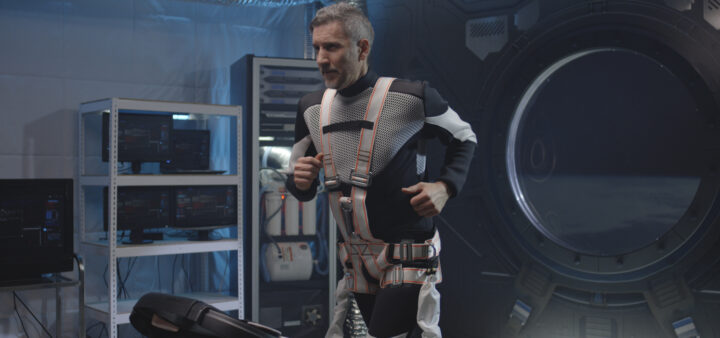
Astronauts often experience back discomfort in space because the muscles supporting the spine aren’t being used in the same way. Without regular activation, those muscles weaken. This links directly to everyday life. Many cases of back pain are connected to weak core muscles and lack of stability. Strengthening this area can make a noticeable difference in the long run.
Even simple movements can have a big impact.
Some research has looked at basic movements like jumping or short bursts of impact. These can help maintain bone density and joint health by applying brief but important stress to the body. It shows that effective exercise doesn’t need to be complicated. The key is that the body is being challenged in a way that encourages it to stay strong.
This research is now being used beyond space.

The same principles used to keep astronauts healthy are now being explored in rehabilitation and ageing research. They’re being adapted to help people recover from injury and maintain strength later in life. This reinforces a simple idea. The body doesn’t lose ability just because of age. It loses ability when it’s not given a reason to keep it.
The real takeaway is simpler than it sounds.
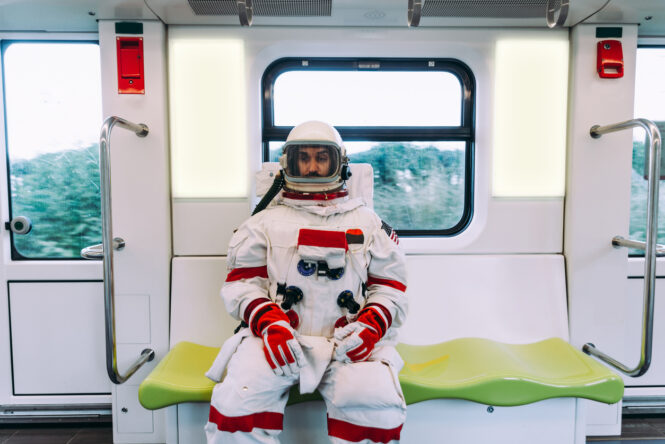
You don’t need to train like an astronaut to benefit from this. The routines themselves are less important than the principles behind them. Regular movement, some form of resistance, and avoiding long periods of inactivity are what make the difference. It’s about consistency rather than intensity.
Ageing doesn’t automatically mean getting weaker.

There’s a common belief that losing strength is just part of getting older. While some change is natural, a lot of it comes down to how the body is used. If you continue to challenge your muscles and stay active, your body will often maintain far more strength than people expect.
This doesn’t have to mean hours in a gym. It can be simple things like standing more, using your legs regularly, and including basic strength movements in your routine. It’s about making sure your body keeps doing the kind of work it was designed for, rather than gradually doing less and less.
Why space research matters more than it seems
Space might feel far removed from everyday life, but it highlights something very clear. The body adapts quickly when it’s not being challenged, and it holds onto strength when it is. That’s what makes astronaut training so useful. It shows, in the simplest way possible, what the body needs to stay capable for as long as possible.