For years, women going through perimenopause have been told to expect hot flashes, sleep changes, maybe a bit of brain fog. However, more and more are realising there’s something else going on—something that feels deeper than just hormonal “blips.” If you’ve been diagnosed with ADHD later in life, or you’ve started noticing attention, memory, or emotional struggles ramping up during your 40s, you’re not imagining it. There’s growing recognition that ADHD and perimenopause are closely linked, and for many, that overlap is finally giving some long-missing answers.
Hormones and dopamine are deeply connected.
Oestrogen doesn’t just regulate reproductive stuff. It also plays a huge role in brain function too, especially when it comes to dopamine, which affects focus, motivation, and emotional regulation. If you already have ADHD (which involves lower dopamine activity), the hormonal dips during perimenopause can hit you much harder than average.
That’s why some women say their ADHD symptoms suddenly got worse in their 40s. Tasks that were manageable become overwhelming. Emotions feel harder to control, and that’s not down to discipline. It’s your brain chemistry being thrown off balance by fluctuating hormones.
For some, perimenopause reveals ADHD they never knew they had.
Plenty of women make it through young adulthood with undiagnosed ADHD, especially if they’re the type who internalise symptoms or mask really well. But once perimenopause starts to mess with their usual coping mechanisms, the cracks start to show.
Suddenly, they’re more forgetful, more distracted, and way more emotionally reactive. They don’t feel like themselves, and it’s more than “midlife stress.” For many, perimenopause doesn’t create ADHD, but it unearths it. Diagnosis at this stage can feel like finally being seen after decades of quietly struggling.
The brain fog isn’t just “normal” ageing for everyone.
Brain fog gets thrown around a lot in perimenopause conversations. But if your brain fog comes with executive function issues, like time blindness, decision fatigue, or completely zoning out during important moments, it could be more than just hormones. It could be ADHD.
This is where awareness matters because if someone has ADHD and is only treated for hormone imbalance, they might still feel like they’re drowning. If they’re told it’s just ageing, that invalidation can be incredibly frustrating. The truth is more nuanced, and more treatable, than that.
Emotional regulation gets harder very quickly.
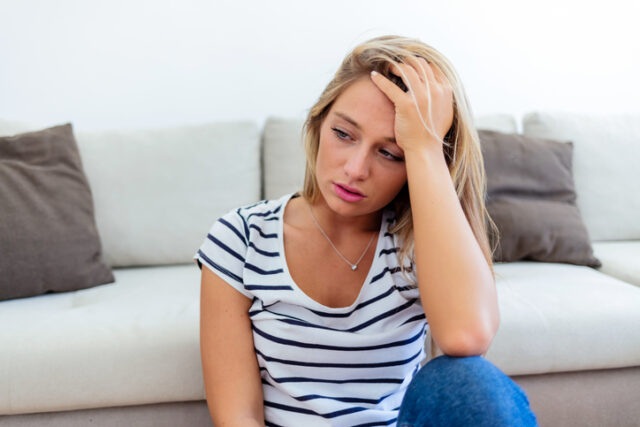
Many women with ADHD already struggle with emotional reactivity, feeling things intensely and bouncing between moods quickly. When perimenopause hits and oestrogen levels fluctuate, it can make those emotional swings feel even more extreme.
You might feel ragey, hopeless, or overstimulated over things that wouldn’t have bothered you as much before. It doesn’t mean you’re losing it. It means your brain is trying to function with less of the hormonal support it once had. And when ADHD is in the mix, that impact is even sharper.
Sleep changes make ADHD symptoms worse.
Perimenopause often messes with sleep: think waking in the night, insomnia, or just feeling unrested. However, for people with ADHD, who already tend to have restless brains at night, this combo can make everything worse. Poor sleep compounds focus problems, emotional regulation, and overwhelm.
So if your usual strategies stop working and everything feels ten times harder, it’s not just in your head. Sleep loss and ADHD don’t mix well, and perimenopause often makes it harder to get the kind of sleep your brain really needs to function.
Late diagnosis is becoming more common, and less surprising.
There’s been a huge rise in women being diagnosed with ADHD in their 40s and 50s, and it’s not a coincidence. Perimenopause doesn’t just amplify symptoms; it also prompts more people to try and get answers for the first time. Things that were previously dismissed as anxiety or overwhelm start being seen in a new light.
For many, getting that diagnosis later in life isn’t just validating, it’s life-changing. It reframes their whole personal history and gives them new tools to manage symptoms with less shame. It’s not “just hormones,” and it never was.
Treatment needs to address both the ADHD and the hormones.

Managing ADHD during perimenopause often means looking at both pieces of the puzzle. ADHD meds might help, but if hormones are all over the place, it can feel like the meds aren’t working as well. Likewise, hormone therapy alone might ease some symptoms, but won’t fully resolve ADHD struggles.
The most effective care tends to be integrated. That might include medication, therapy, coaching, lifestyle changes, or hormone support, all tailored to your specific needs. You don’t have to pick one or the other. You’re allowed to treat the full picture.
Shame and self-blame tend to spike during this time.
Perimenopause often brings a wave of self-doubt, especially when you’re not functioning like you used to. Add in ADHD (diagnosed or not), and the guilt can get loud. “Why can’t I just pull it together?” “What’s wrong with me?” “Why does everything feel so hard?”
These thoughts aren’t personal flaws. They’re the fallout of years of masking, compensating, and now, a changing hormonal landscape that’s making things harder to manage. You’re not lazy or broken. You’re dealing with a real, under-recognised overlap that deserves support, not judgement.
There’s still a massive awareness gap, but it’s closing.
Many GPs and even mental health professionals aren’t yet fully clued into the link between ADHD and perimenopause. Women are often misdiagnosed, dismissed, or given treatment plans that miss the mark entirely. But awareness is slowly building.
More studies, more women speaking out, and more research into neurodivergence in midlife mean this conversation is finally growing. You’re not alone. And if you feel like your symptoms don’t make sense under the usual explanations, it’s absolutely okay to dig deeper.