Insecurities can lurk beneath the surface in even the most confident-looking person in the world.

Sometimes they show up as arrogance, attention-seeking, or pretending to have everything under control. People often cover their self-doubt with habits that make them feel safer or more powerful, even if it pushes people away.
It’s rarely intentional, and in fact, most people don’t even realise they’re doing it. However, when you start paying attention, you can spot the ways insecurity hides behind confidence or charm. Understanding it doesn’t just make you more aware of other people, but it can also help you notice the masks you might wear yourself.
1. They brag excessively about their achievements.

We all like to share our successes, but someone constantly tooting their own horn might be masking a lack of confidence. It’s like they’re trying to convince themselves (and everyone else) that they’re worthy and valuable. They might embellish their accomplishments, downplay the help they received, or even invent stories to make themselves look better. It’s a way of trying to fill a void inside, but it often backfires and leaves them feeling even more insecure.
2. They constantly look for validation from other people.

Insecure people often crave external validation to feel good about themselves. They might fish for compliments, post selfies on social media, or look for approval from other people for their every decision. They rely on other people’s opinions to define their worth, rather than developing a strong sense of self-worth from within. This constant need for approval can be exhausting for both them and the people around them.
3. They criticise people harshly.

Putting people down is a classic way to make yourself feel better. Insecure people might criticise people’s appearance, intelligence, or achievements in an attempt to elevate themselves. They might gossip, spread rumours, or engage in other forms of social sabotage. It’s a toxic behaviour that stems from a deep sense of inadequacy and a desire to feel superior to everyone else.
4. They become overly defensive.
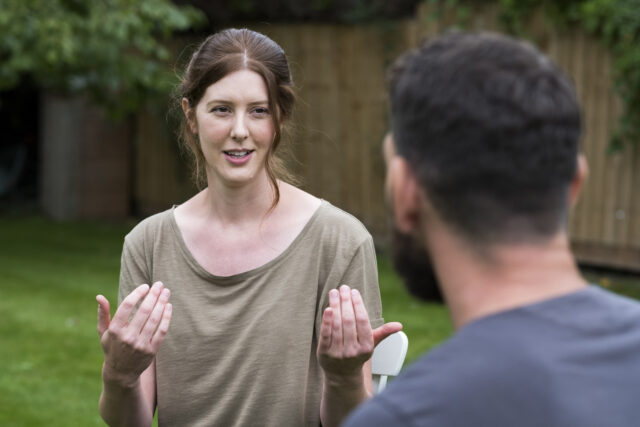
If you ever offer constructive criticism or disagree with an insecure person, you might be met with a wall of defensiveness. They might take your feedback personally, lash out, or try to turn the situation around and make you the bad guy. This hypersensitivity to criticism is a sign that they’re not confident in their own abilities or opinions, and they feel threatened by any perceived challenge to their ego.
5. They become control freaks.

Insecurity can manifest as a need for control. Insecure people might try to micromanage every aspect of their lives, from their work to their relationships. They might have a hard time delegating tasks, trusting people, or letting go of the reins. This need for control stems from a fear of failure, a desire to avoid vulnerability, and a deep-seated belief that they’re the only ones who can do things right.
6. They become obsessed with their appearance.

Insecure people might obsess over their looks, spending countless hours in front of the mirror, constantly dieting, or going to extreme lengths to alter their appearance. They might believe that their worth is tied to their physical attractiveness, and they fear being judged or rejected based on their looks. This obsession can lead to unhealthy behaviours and a distorted self-image.
7. They’re always trying to prove themselves.

They might overwork, take on too many responsibilities, or constantly take on new challenges to prove their worth. They might feel like they have to constantly achieve and succeed to feel validated. This constant striving can be exhausting and ultimately unsatisfying, as it’s driven by a deep-seated fear of inadequacy.
8. They struggle to form deep connections.

Insecurity can make it had to form close relationships. People who are insecure might be afraid of being vulnerable, rejected, or judged. They might build walls around themselves, push people away, or sabotage their own relationships. They might also struggle to trust anyone, which can make it hard to open up and share their true selves. This fear of intimacy can lead to isolation and loneliness.
9. They’re overly competitive.

A little friendly competition is healthy, but for insecure people, it can become an obsession. They might feel the need to constantly prove they’re better than everyone, whether it’s at work, in their hobbies, or even in their relationships. They might constantly compare themselves to other people and feel threatened by anyone who they perceive as more successful or talented. This can lead to unhealthy behaviours like sabotage, jealousy, and even resentment.
10. They have a hard time accepting compliments.

While most people enjoy receiving compliments, insecure people might struggle to accept them. They might deflect praise, downplay their accomplishments, or even feel uncomfortable when someone says something nice about them. This stems from a lack of self-worth and a belief that they don’t deserve the compliment. It can also be a way of protecting themselves from the fear of disappointment or failure, as they don’t want to get their hopes up only to be let down later.
11. They’re often people-pleasers.

To gain approval and validation, insecure people might become chronic people-pleasers. They’ll go out of their way to help people, agree with everything they say, and avoid conflict at all costs. They might prioritise other people’s needs over their own, even to the point of sacrificing their own happiness and well-being. This can lead to resentment, burnout, and a loss of self-identity.
12. They have a tendency to blame everyone else for their problems.

When things go wrong, insecure people often look for someone else to blame. They might blame their boss, their partner, their friends, or even strangers for their problems. That externalisation of blame is a way to avoid taking responsibility for their own actions and choices. It can also be a way to deflect criticism and protect their fragile ego.
13. They’re overly sensitive to criticism.

Even the slightest criticism can feel like a personal attack to someone who’s insecure. They might take it to heart, ruminate over it for days, or even lash out in anger or defensiveness. This hypersensitivity to criticism stems from a lack of self-confidence and a fear of being judged or rejected. It can make it difficult to learn from mistakes, grow as a person, and maintain healthy relationships.
14. They find it hard to say “no.”

Insecure people might find it hard to say no to requests, even when they’re already overwhelmed or don’t have the time or energy. They might worry about disappointing people, being seen as selfish, or missing out on opportunities. This can lead to overcommitment, burnout, and resentment. It’s important to learn to set healthy boundaries and prioritise your own needs and well-being.
15. They’re often overly concerned with their social media image.

Insecure people might spend a lot of time and energy curating their online image, carefully selecting photos, crafting witty captions, and obsessing over likes and comments. They might compare themselves to other people and feel inadequate if they don’t get enough validation. This focus on social media can be a distraction from real-life relationships and can fuel feelings of insecurity and inadequacy.