Travelling between major European hubs has always looked brilliant on paper, but the actual journey often turns into a real slog.
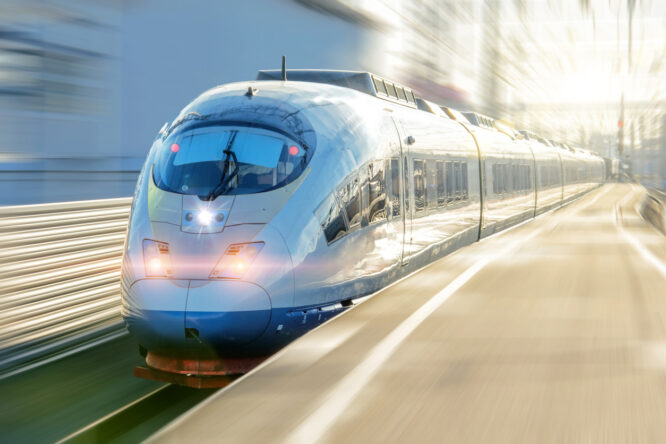
Unless you relish turning up two hours before dawn, wrestling with strict hand luggage dimensions, taking your belt off at security, and paying £8 for a dry sandwich at the boarding gate, short-haul hops by air have completely lost their appeal. Thankfully, the dream of a seamless Continental getaway is about to feel far more realistic. Getting across mainland Europe is gearing up to become massively easier, with two brand-new, direct high-speed rail links preparing to bridge Italy and Germany by train.
Instead of dealing with airport chaos, delays on the tarmac, and miles of motorway queues, you will soon be able to step straight onboard in a city centre, sit back with decent legroom, and watch the scenery roll past as you glide across the map in comfort. If you’ve been searching for a relaxed, stress-free alternative to the standard budget flight nightmare, these fresh cross-border connections might be the ultimate game-changer for your holiday plans.
The service that’s being launched is welcome news for travellers.
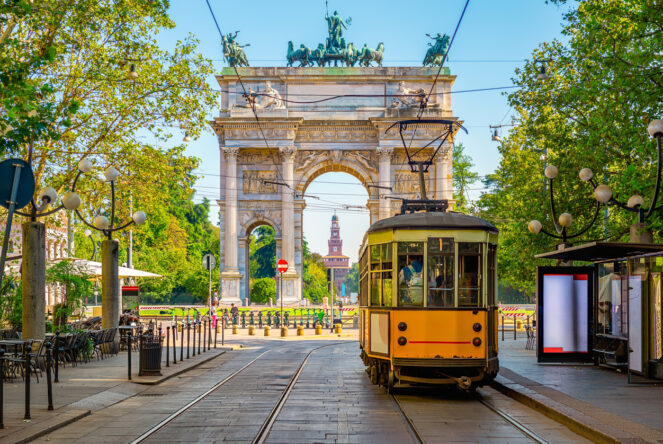
Italian rail operator Trenitalia has begun test runs of its Frecciarossa high-speed trains across Germany and Austria, marking the final certification stage before two brand new direct routes officially launch: Milan to Munich, and Rome to Munich. Both services are on track to begin running commercially in summer 2027, giving travellers a train-based alternative to flying between these major cities.
Frecciarossa trains are already well known across Italy for their speed and comfort, so extending that same service across the Alps and into Germany represents a significant step for European rail travel, rather than a minor timetable addition.
How long will each journey take?
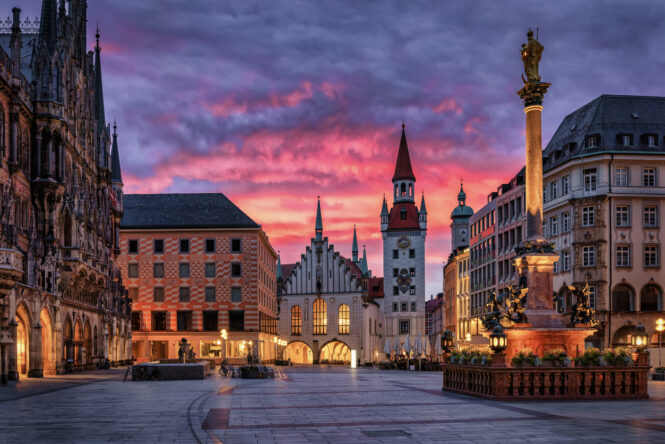
The Milan to Munich route will take around six and a half hours, stopping at Brescia, Verona, Rovereto, Trento, Bolzano, and Innsbruck along the way. That’s a truly scenic route too, cutting straight through the Alps rather than skirting around them, offering passengers mountain views most flights simply can’t match.
The Rome to Munich service will take considerably longer at roughly eight and a half hours, following that same Alpine route through Verona, Trento, Bolzano and Innsbruck, with Florence and Bologna added at the start of the journey for anyone travelling from further south. While eight and a half hours might sound long compared to a two-hour flight, it’s worth weighing that against airport check-in times, security queues, and the general hassle of getting to and from airports on both ends.
The new routes will run regularly and efficiently.
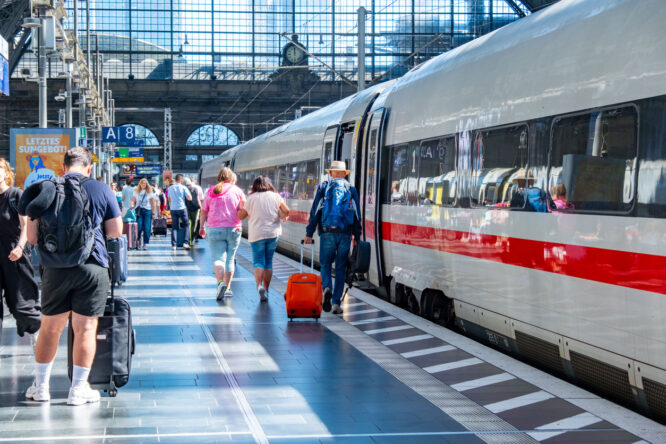
Both services will begin with four daily connections, operated in partnership with Germany’s Deutsche Bahn and Austria’s ÖBB. This kind of cross-border partnership between national rail operators is what makes a route like this possible, since it requires coordination across three separate countries’ rail networks and regulatory systems.
Innsbruck is set to become a key interchange point for the wider network as these routes bed in, meaning the Austrian city could end up playing a considerably bigger role in European rail travel than it currently does, benefiting from increased footfall and connections passing through it daily.
There’s a bigger vision behind these new routes.
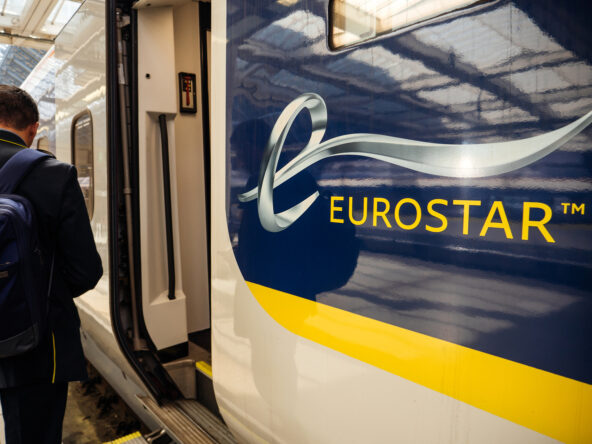
This launch fits into a much bigger strategy for Trenitalia’s parent company, FS Group, which has already expanded Frecciarossa services into France and Spain, and is now eyeing a UK connection via the Channel Tunnel by 2029. That would mark a significant expansion, potentially giving UK travellers a direct high-speed link into this same growing European network.
According to FS Group’s chief executive, the start of test runs across Germany and Austria marks a step toward a much larger ambition: making train travel the standard, go-to way to get around Europe, rather than a secondary option behind flying. He’s described the wider project as building a kind of high-speed “European Metro”, designed to bring different regions, people, and economies closer together through rail, treating the whole continent almost like a single, interconnected transport network.
What’s coming next for the route?
Things are set to improve further once the Brenner Base Tunnel opens, which is expected to cut around an hour off journey times between Italy and Germany. This tunnel, currently under construction beneath the Alps, will eventually allow trains to bypass much of the mountainous terrain currently slowing journeys down, making the route both faster and more reliable.
From December 2028, the network is expected to expand considerably further too, with ten daily connections planned between Italy and Germany, alongside routes extending to Naples and Berlin as well. That would more than double the current planned frequency, turning this from a handful of daily services into a comprehensive, regular travel option between two of Europe’s biggest countries.
What this means for the future of European travel

For anyone hoping to swap short-haul flights for train travel across Europe, this expanding network looks set to make that switch a realistic option over the next few years, rather than a niche choice reserved for dedicated rail enthusiasts. As more direct, high-speed connections come online across the continent, the case for choosing a train over a short flight keeps getting stronger, both in terms of convenience and the overall experience of the journey itself.
With France, Spain, Germany, and Austria already part of this growing network, and a UK connection potentially following by 2029, it’s an exciting time to be planning European travel by rail, particularly for anyone who’d rather spend a journey watching the Alps roll past than staring at an airport departure board.