It’s hard enough to even get an appointment with your GP, but when you do, you want to make the most of your time.
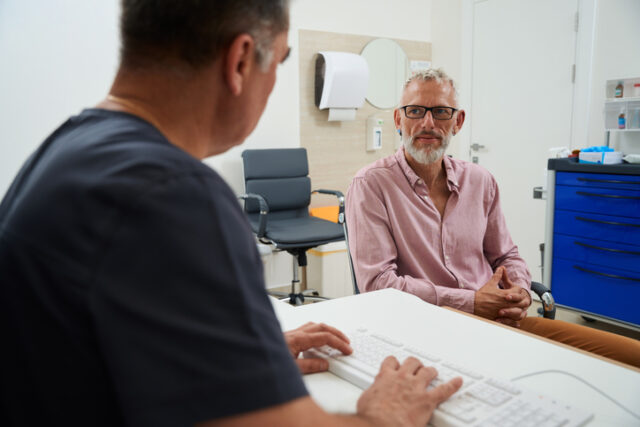
Sadly, most NHS doctors are allotted only 10 minutes of consultation time per patient, which means if you want to talk about what’s going on with you and get some advice or treatment, you need to be smart about it. However, you can’t just show up and start making demands or taking out your frustrations on your GP. In fact, if you do these things during your appointment, they won’t be keen to welcome you back anytime soon.
Turning up late but still expecting to be seen on time

Traffic happens, buses don’t show up, and parking near a surgery is an absolute nightmare. Everyone gets it. But strolling into the waiting room eight minutes into a 10-minute slot and expecting to be seen straight away puts the doctor in a terrible spot. If they see you, every single person booked after you ends up waiting longer, knocking the afternoon schedule completely out of sync. If you’re running behind, ring the front desk as soon as you can. They might be able to swap your spot, move you to the end of clinic, or save you a wasted trip.
Dumping a giant shopping list of symptoms on their desk

When it’s taken three weeks to get through the door, the temptation to bring up everything from a sore knee to weird skin bumps is understandable. But trying to squeeze five different medical issues into a single appointment means none of them get the attention they deserve. The doctor ends up having to rush through checks just to tick boxes. Pick the one or two things bothering you the most, get those sorted properly, and ask the reception team if you can book a double slot next time to tackle the rest.
Ditching your medication without saying a word

Plenty of people stop taking their tablets because the side effects are miserable, the pills make them feel sick, or they simply don’t think they’re doing anything. Doctors know this happens all the time. What really causes problems is pretending you’ve been taking them religiously every morning. If your blood pressure is still through the roof, and you stay silent about bins full of untouched strips, the GP might double your dose or add another strong drug to the mix. Just be honest; they’d much rather switch you to something that actually agrees with you.
Not mentioning your main concern until the end of the appointment

It’s an everyday routine in medical rooms: someone spends eight minutes chatting about a mildly itchy elbow, stands up, puts their hand on the door handle, and says, “Oh, by the way, I’ve had this crushing chest pain every time I walk upstairs.” Doctors call it the “doorknob phenomenon.” It’s often driven by nerves or embarrassment, but saving the main worry until your time is up means your GP has to choose between letting you walk out unchecked or keeping the waiting room waiting. Put the scariest or most disruptive symptom right at the top of the chat, before you even sit down properly.
Demanding antibiotics for viral infections

Feeling miserable with a blocked nose, a pounding head, and a rough cough is rotten, and you just want something to wipe it out fast. But demanding a course of amoxicillin for what is clearly a viral bug puts doctors in an awkward position. Antibiotics only kill bacteria; they don’t do a thing for a regular virus, and taking them unnecessarily just wrecks your gut and fuels antibiotic resistance. If your GP says you need rest, fluids, and paracetamol, they’re not brushing you off, they’re giving you the right medical advice.
Not being honest about your lifestyle habits

Almost everyone feels a slight twinge of guilt when the doctor asks how many units of alcohol they knock back a week. Knocking the numbers down might make you feel better in the moment, but it genuinely hampers the doctor’s ability to figure out why your liver enzymes are odd or why your sleep is shattered. GPs have heard it all before, and they’re not there to give you a lecture or judge your lifestyle. Giving them an honest picture of your real routine helps them spot underlying patterns much faster.
Using your phone during the consultation

You finally get through to the consultation room, sit down in the chair, and then your phone rings, or you start scrolling through messages while the doctor is asking questions. It might sound obvious, but it happens far more than you’d think. It eats into the few minutes you have, disrupts the flow of the conversation, and makes it look like you’re not paying attention to your own health plan. Stick the phone on silent, put it in your pocket, and give the chat your full focus.
Not following up on referrals or tests

Your GP writes up a referral, organises an ultrasound, or requests routine bloods at the local hospital, only for the appointment letter to sit on the kitchen worktop gathering dust. When you come back months later wondering why you still feel dreadful, the doctor has to start the entire process from scratch. Chasing down tests takes time and energy, but if you don’t attend the follow-ups, your doctor has no data to work with. If you can’t make a date, ring up and rearrange rather than simply not showing.
Relying on internet diagnoses instead of professional advice

There’s nothing wrong with reading up on your symptoms before you go; it shows you’re taking an active interest in your health. Problems start when you walk in, cut the doctor off, and insist you have an exceptionally rare tropical disease because a random forum thread said so. Doctors spend years training to spot the difference between common, everyday illnesses and serious red flags. Use your reading to ask informed questions, but let the clinician do their job and run through a proper physical assessment.
Not respecting the GP’s personal boundaries

Being friendly and building rapport with your doctor makes appointments far more pleasant for everyone involved. But crossing boundaries by asking prying questions about their personal life, commenting inappropriately on their appearance, or trying to corner them on unrelated topics makes the room awkward quickly. GPs need to keep things professional, safe, and focused strictly on your clinical care. Keeping the dynamic respectful and clear helps both sides stay comfortable.
Expecting an instant cure for chronic conditions

Dealing with long-term back pain, chronic fatigue, or gut trouble is grinding and frustrating, especially when it ruins your daily quality of life. It makes sense to want a quick fix that makes it all vanish by next Monday. Sadly, chronic conditions don’t work like that. Managing long-term health is usually a slow game of trial and error, involving medication tweaks, physical therapy, and steady adjustments. Walking in expecting an instant miracle will leave you disappointed and puts unfair pressure on your doctor.
Not bringing necessary information to your appointment

If you recently had a private consultation, visited an urgent care centre across the country, or take three different medications you can’t quite remember the names of, bring the paperwork with you. Spending five minutes of your 10-minute slot trying to describe the colour of a small round pill burns through valuable time. Jot the names down in your phone, take a quick photo of your prescription box, or bring the discharge letter in your bag. It takes the guesswork straight off the table.
Not listening to or following aftercare instructions

When a GP lays out a plan, like completing a full course of ear drops, doing knee stretches twice a day, or keeping a food diary, they aren’t giving you optional homework. Ignoring the advice completely and then turning back up four weeks later to complain that things haven’t improved wastes your own time as much as theirs. If an aftercare plan sounds completely unworkable for your routine, say so while you’re still in the room, so the doctor can suggest something you’ll actually manage.
Demanding specific treatments you’ve seen advertised

Social media feeds and internet ads are packed with flashy health campaigns promoting specific branded pills or expensive private therapies. Walking into the surgery and demanding that exact brand puts your doctor in a corner. The NHS usually prescribes generic equivalents, which carry the exact same active ingredients at a fraction of the cost to the taxpayer. Trust your doctor’s clinical judgment on what will actually do the job rather than what looked good on an online advert.
Bringing an entire entourage into a tiny room

Having a partner, a parent, or a trusted mate with you for moral support can be invaluable, especially if you’re anxious or struggle to remember everything the doctor says. But turning up with three family members and a friend into an already cramped room creates unnecessary noise. People start talking over each other, offering conflicting versions of your symptoms, and pulling the GP’s focus all over the place. Bring one supportive person who knows your history and can help you take notes calmly.
Skipping basic hygiene before a physical exam

Doctors understand completely if you’re coming straight from a physical job or had to rush out of the house in an emergency. They’ve dealt with every bodily fluid imaginable and aren’t easily squeamish. Still, if you’re booking an appointment that you know will involve taking off your socks or having a close physical check, making a quick effort with basic cleanliness is simply common courtesy. It makes the examination far more comfortable for everyone in the room.
Exaggerating symptoms to get quicker treatment

When you’ve been in pain for weeks, it’s easy to think that telling the doctor your discomfort is a flat 10 out of 10 is the only way to get taken seriously. But ramping up your symptoms artificially can lead doctors down the wrong diagnostic path entirely. It can trigger invasive, unnecessary tests, risky procedures, or heavy painkillers that you don’t actually need. Describe your pain honestly, focusing on what it stops you from doing day to day, rather than throwing out exaggerated numbers.
Keeping quiet about herbal remedies and supplements

A lot of people think that because a supplement came from a health food shop or says ‘natural’ on the bottle, it doesn’t count as real medicine. In reality, everyday over-the-counter vitamins, herbal remedies like St John’s Wort, and even high-dose supplements can clash violently with prescription drugs. They can stop blood thinners from working properly or place extra stress on your kidneys. Always bring up everything you take on a daily basis, even if you bought it off a supermarket shelf.
Refusing to consider lifestyle changes as part of your treatment

Nobody particularly enjoys being told they need to get more sleep, move their body more, or cut down on ultra-processed food. It feels frustrating when you just want a pill to make the ache go away. But lifestyle factors directly control blood pressure, joint health, gut issues, and mood regulation. When a doctor suggests looking at your daily habits alongside medical treatment, they aren’t passing judgment; they’re pointing out the root cause. Refusing to engage with basic healthy habits limits what medicine can do for you.
Taking your frustration out on the reception staff

Getting stuck in a massive phone queue or struggling to book an appointment is maddening, but screaming at the receptionist or being short with the practice nurse is completely unacceptable. The front desk team don’t set the practice budget, they don’t control the doctor’s rota, and they can’t invent extra hours in the day. Being aggressive with staff creates a hostile environment and gets flagged on your notes before you even walk into the doctor’s room. Treating the admin team with basic patience makes your visits run much smoother.