We’re always told the importance of eating our greens, but one in particular might come out on top.

If someone asked you to name the world’s healthiest vegetable, you’d probably reach for the obvious answers: kale, spinach, broccoli, maybe sweet potato. The actual winner, according to a major nutrient-ranking study, is something far humbler and surprisingly British. It costs about a pound a bag in any supermarket, and you’ve probably walked past it in the fruit and veg aisle hundreds of times without thinking twice. The crown goes to watercress.
How the rankings actually worked

A while back, a major health research body set out to rank vegetables and fruit based on how nutrient-packed they really are. They focused on what they called “powerhouse” foods, the ones most strongly linked to reducing the risk of long-term illnesses like heart disease and certain cancers.
The scientists looked at over 40 different fruits and veg, calculating a nutrient density score out of 100 for each one. The idea was simple. The higher the score, the more goodness you’re getting per bite. When the dust settled, only one food on the entire list scored a perfect 100. That food was watercress.
Why watercress beat everything else

Watercress is small, leafy, slightly peppery and very British. It belongs to the same family as cabbage, kale and mustard, which already gives you a clue it’s going to be loaded with the kind of nutrients those vegetables are famous for. It’s particularly rich in vitamin A and potassium, more so than ordinary lettuce.
It also brings a serious hit of vitamin C, vitamin K and vitamin B6, along with calcium, iron and a useful dose of vitamin E. Most leafy greens are good for you, but watercress packs in so many useful nutrients per calorie that nothing else on the list could match it. It’s also low in calories, which is why its nutrient density score ended up so high.
A vegetable with proper British history

Watercress isn’t some trendy supergreen that’s recently flown in from overseas. It’s been grown and eaten in Britain for hundreds of years, particularly in the chalk streams of Hampshire, Dorset, and Wiltshire. The town of Alresford in Hampshire is even known as the watercress capital of the UK, with its own annual festival celebrating the crop.
There used to be a “watercress line” railway that carried fresh bunches into London for the breakfast tables of Victorian Britain. It fell out of fashion for a while, but it’s quietly making a comeback as people look for fresher, more local greens to add to their meals.
What it actually does for your body

The reasons watercress is so good for you go well beyond a long list of vitamins. The high vitamin C and antioxidants help support your immune system and protect cells from damage. Vitamin K supports healthy blood clotting and bone strength, which becomes especially important as you get older.
Vitamin A is brilliant for your eyes and skin, while the iron content helps prevent tiredness and supports healthy blood. Calcium and potassium look after your bones, muscles, and blood pressure. Because watercress also contains compounds called glucosinolates, the same ones found in broccoli and cabbage, it has been linked with potential benefits for reducing inflammation and supporting longer-term health.
The other vegetables right behind it

While watercress took the top spot, the rest of the leaderboard reads like a who’s who of leafy greens. Chinese cabbage came in second with a score of nearly 92, followed by chard at 89 and beetroot greens at 87. Spinach landed in fifth place. Chicory, leaf lettuce, parsley, romaine lettuce and collard greens all scored highly too.
The pattern is hard to miss. Dark, leafy green vegetables dominated the top of the chart, while bright orange and red veg like carrots and tomatoes, along with citrus fruits and berries, sat lower down the rankings. That doesn’t mean carrots and oranges aren’t healthy, just that they bring fewer different nutrients per calorie than the top green leafy crowd.
Where the famous favourites came in
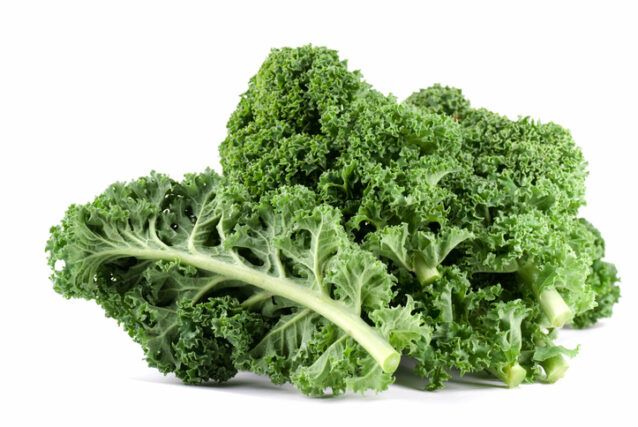
Some of the results might surprise you, since the much-hyped superfoods didn’t fare quite as well as you’d expect. Kale, for all its smug reputation, came in at just 49 out of 100, miles below watercress. Broccoli scored a respectable 35, while Brussels sprouts landed at 32. Cabbage came in at 25, with carrots at 23 and tomatoes at 20.
Strawberries, oranges, and grapefruit all scored below 18. None of these foods are bad for you in the slightest, and they all bring different nutrients to the table. But if you’re after a real nutrient powerhouse to add to your weekly shop, watercress is genuinely punching above its weight compared to the trendier crowd.
How to actually eat watercress

The slightly peppery flavour of watercress puts some people off at first, but it grows on you fast once you start using it. The most obvious way to enjoy it is as a salad green, either on its own or mixed with other leaves like rocket and spinach. It works brilliantly piled into a sandwich, especially with egg, cheese, smoked salmon or roast beef.
It also makes a beautiful base for a creamy soup, blended with potato and a splash of cream for that classic British watercress soup. Toss it through warm pasta with a little lemon and parmesan, scatter it on top of a poached egg on toast, or stir it into stir fries at the last moment so it just wilts.
Turning it into a peppery pesto

One of the cleverest ways to use up a bag of watercress is to make a pesto out of it. Blitz the leaves in a food processor with garlic, a handful of pine nuts or walnuts, a generous glug of olive oil, a squeeze of lemon, a pinch of salt and a decent amount of parmesan or hard Italian cheese. The result is a vibrant green sauce with a proper peppery kick.
It’s brilliant tossed through pasta, dolloped onto roasted vegetables or new potatoes, swirled into soups, or simply spread onto crusty bread for a quick lunch. It freezes well in ice cube trays, too, so you can pop out a portion whenever you fancy.
The trick to keeping it fresh

Watercress has a bit of a reputation for going soggy quickly in the fridge, but it doesn’t have to. The trick is to treat it more like cut flowers than a vegetable. Pop the stems into a small jar or glass of water in the fridge, with the leafy bits poking out the top, then loosely drape a clean plastic bag or a piece of cling film over the top.
Stored this way, it can stay fresh and crunchy for several days, sometimes even up to a week. Give it a rinse just before you’re ready to use it, rather than washing the whole bag in advance, since damp leaves go off much faster.
How to add more of it into your week

You don’t need to overhaul your meals to get the benefits of watercress, since small handfuls a few times a week make a real difference. Throw a handful into a smoothie alongside banana, apple, and a bit of lemon for a green drink that doesn’t taste too “green.” Use it instead of lettuce in burgers, wraps, and sandwiches for a peppery upgrade.
Stir it into omelettes or scrambled eggs at the last minute. Add it to soups and stews just before serving so it wilts but keeps its colour. Pop it on top of pizza after baking for a fresh, slightly spicy bite. The versatility is one of its best features.
Why the focus needs to be on more than just a single vegetable

What the wider list really shows is how powerful leafy greens are in general. The top of the chart is dominated by them, and it’s a good reminder that an easy way to boost the nutrients in your diet is to keep adding more green leaves to your plate.
That doesn’t mean ignoring everything else, since variety is what really matters in a healthy diet, but if you’ve been buying the same bag of iceberg lettuce on autopilot for years, switching to watercress, baby spinach, chard, or chicory once in a while gives you a noticeable nutrient boost without much extra effort.
Why the humble bag of watercress deserves more love

For something so small, cheap and easy to find, watercress packs a remarkable amount of goodness. It tops the most thorough nutrient ranking out there, has a long British history, and slots into all sorts of everyday meals without needing fancy recipes or expensive ingredients.
Next time you’re walking down the salad aisle, grab a bag for a quid and see what you can do with it. Throw it on a sandwich, blend it into a soup, blitz it into a pesto, or just have a leafy little pile on the side of dinner. It’s the closest thing to a free upgrade your weekly shop has to offer.