Buying your first home used to feel like something you did in your twenties if you were doing life “right.”

Of course, the reality is that picture has been slowly fading for years, and now it’s pretty much gone. New research from the Ministry of Housing, Communities & Local Government reveals that the average first-time buyer in England is now 34, which says a lot about where things stand for people trying to get on the ladder. While it’s not impossible to become a homeowner these days as a young person, those who achieve it tend to come from a place of extreme privilege, as it’s just not attainable to the average person.
Buying your first home is no longer something people do in their twenties.

An average age of 34 doesn’t just mean people are waiting a bit longer. It means buying a first home has moved into a completely different life stage. What used to be an early milestone is now something many people don’t even seriously consider until their thirties. That changes how people plan everything else, from relationships to having children to career moves. Homeownership is no longer the starting point for adult life. For a lot of people, it’s something that might come later, if it comes at all.
The cost of living is stretching timelines more than anything else.

The biggest driver behind this change is simple: everything costs more, and wages haven’t kept up in the same way. Saving for a deposit while paying rent, bills, and everyday expenses is a slow grind. Even people on decent salaries are finding it takes years just to build a basic deposit. What used to take a few years now takes closer to a decade for many, especially without family support.
The South East is where the pressure really shows.
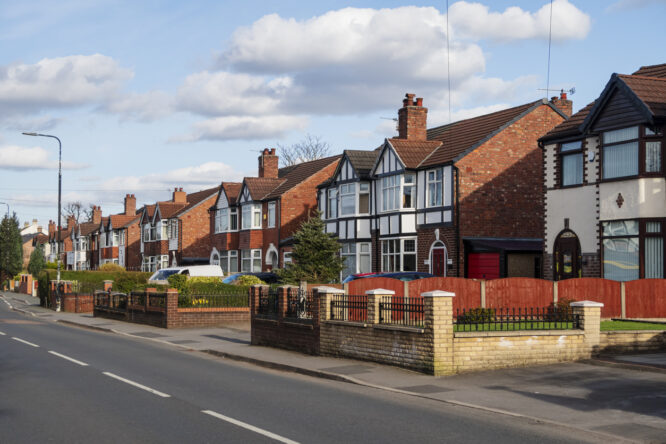
Data from RightMove shows the biggest jump in buyer age in the South East of the country, where the average has climbed to over 34. That’s not surprising when you look at property prices across that region. For many buyers, it means either waiting longer, stretching finances further than they’d like, or giving up on the idea of buying locally altogether. The gap between earnings and house prices is simply too wide.
London is still tough, but not the fastest-moving problem.

London has always been expensive, so in a strange way, the increase there feels less intense or shocking. The average age has gone up, but not as sharply as in some surrounding areas. That’s partly because the barriers were already high. Many buyers in London have already adjusted expectations, whether that means buying later, buying smaller, or not buying at all.
Some regions are still holding on to slightly younger buyers.

Places like the East Midlands and parts of the North still offer more accessible entry points. In some areas, the average age has even dipped slightly, which stands out compared to the wider trend. That doesn’t mean it’s easy, but it shows how much location matters. Where you live can add or shave years off your path to buying a home.
The North West has seen one of the sharpest jumps.

In cities like Manchester and Liverpool, the average age has jumped from around 30 to 32 in just a few years. That’s a big change in a relatively short time. It reflects how rising demand and investment in these cities have pushed prices up. What used to feel relatively affordable is becoming harder to reach.
Buyers are taking longer to get mortgage-ready.

It’s not just about saving a deposit. Buyers now need stronger financial profiles to pass affordability checks, especially with higher interest rates in recent years. That means more time building stable income, improving credit scores, and proving long-term financial reliability. It all adds years to the process.
Renting is no longer a short stop, it’s a long phase.

For many people, renting used to be a stepping stone. Now it’s a long-term reality that eats into the ability to save. High rents make it harder to put money aside, which keeps people stuck in the same cycle for longer. You pay more to live, which means you save less, which delays buying.
Family support is becoming more important than ever.

More first-time buyers are relying on help from parents, whether that’s gifted deposits, loans, or guarantor mortgages. Without that support, the timeline stretches even further. This creates a growing divide between those who have access to help and those who don’t. It’s not just about earnings anymore, it’s about background too.
People are adapting rather than giving up completely.

Despite all this, most buyers aren’t walking away from the idea of owning a home. They’re just adjusting how they get there. That might mean buying later, choosing different locations, or lowering expectations about size and type of property. The goal hasn’t disappeared, but the route has changed.
Expectations around the buying process are changing, too.

First-time buyers now expect a smoother, more transparent experience, especially when it comes to legal work and communication. They want things to be clear, digital, and easy to follow. That reflects a wider change in how people approach big decisions. If they’re spending years saving, they expect the process itself to feel modern and efficient.
This isn’t just a blip—it’s part of a longer trend.

The rise in first-time buyer age hasn’t happened overnight. It’s been building over the past decade as housing costs, wages, and lending conditions have moved further out of sync. What we’re seeing now feels less like a temporary spike and more like a new normal. Younger buyers aren’t being delayed slightly, they’re being pushed into a completely different timeline.
The idea of the “starter home” is slowly fading.

Starter homes used to be smaller, more affordable properties that helped people get onto the ladder early. Those options are becoming harder to find in many areas. Without that first step, the jump into homeownership becomes much bigger. People aren’t climbing onto the ladder anymore, they’re trying to leap onto it.
Life milestones are changing alongside housing.

When homeownership moves later, everything else tends to follow. Marriage, children, and long-term planning all start to shift further into the thirties or beyond. That doesn’t mean people aren’t building stable lives, but the order and timing of those milestones look very different compared to previous generations.
For many, it’s not about failure, but about a tougher system.

There’s often a narrative that people just aren’t trying hard enough, but the reality is more complicated. The system itself has become harder to navigate. Most first-time buyers today are doing exactly what they’re supposed to do, working, saving, planning. It’s just that the finish line has moved further away than it used to be.