From Tuesday 31 March, households across England must follow a new set of bin rules as the government’s Simpler Recycling initiative comes into force.
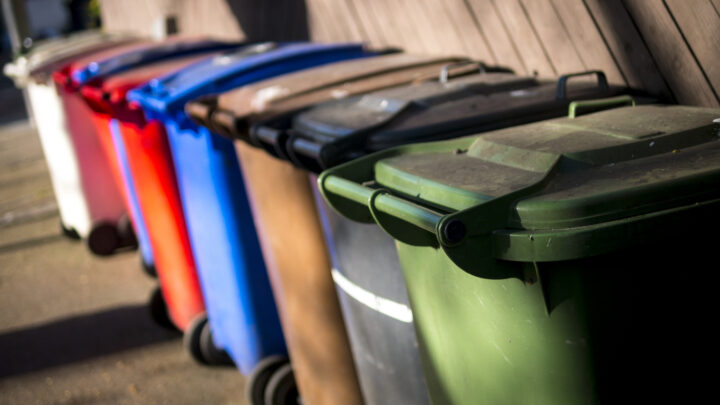
Designed to end the postcode lottery of waste disposal, the new regulations set a universal standard for what can and can’t be recycled across the country. Local authorities have warned that putting the wrong items out under the new guidelines could result in fixed penalty notices of up to £400.
The Department for Environment, Food and Rural Affairs aims to streamline collections so that the same materials are accepted whether you’re at home, at work, or at school. Here’s what you need to know about the new rules as they come into force.
The new bin categories
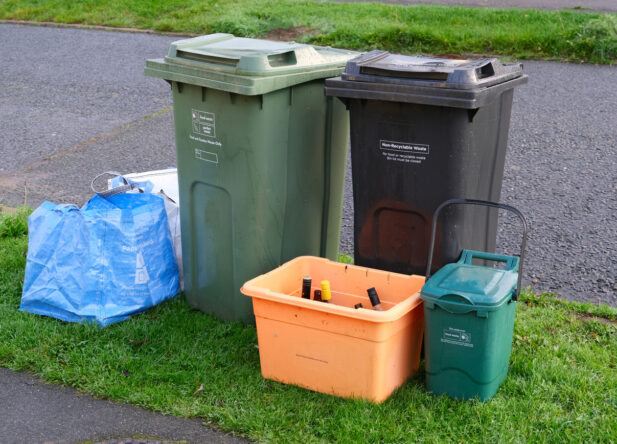
Most households will now need at least four separate bins to sort their waste correctly. These cover food and garden waste, paper and card, dry recyclables including glass, metal, and plastic, and general rubbish.
Items that waste collectors can take include plastic film packaging and plastic bags, which will need to go in with plastic recycling. Paper and card can also be collected alongside other dry recyclable materials where appropriate.
However, there is a lengthy list of items that waste collectors will not collect. According to the Department for Environment, Food and Rural Affairs, the following 37 items will not be accepted.
Glass items that will not be collected

Just because it’s glass doesn’t mean it belongs in the bottle bank. The new regulations are very clear about heat-resistant or toughened glass, which has a different melting point and can ruin an entire batch of recycled material. That means your kitchen and home essentials like Pyrex cookware, microwave plates, drinking glasses, and vases are now banned.
Renovation waste such as flat glass, window glass, and mirrors must also stay out. Even smaller household bits like candles, light bulbs, and fluorescent tubes are off the list, along with all ceramics, including crockery, earthenware, and bits of broken pottery.
Metal items that will not be collected
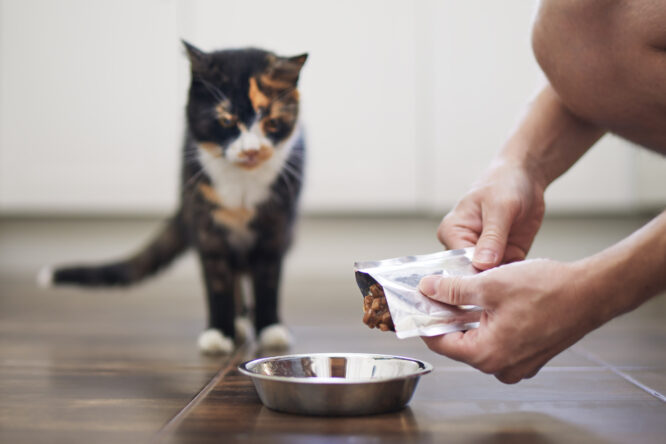
The metal bin is strictly for clean packaging, not for clearing out your kitchen cupboards or the shed. If it’s had a chemical in it or has a plug, it’s a no from the council. Laminated pouches (like the ones for cat food or coffee) are out because they’re a nightmare to separate, and any tins that held white spirits, paint, engine oil, or antifreeze are considered too hazardous.
General household kit like cutlery, pots and pans, kettles, and irons also need to be disposed of elsewhere. This also applies to hardware like metal pipes, batteries, and any small electrical items that might have slipped into the bin in the past.
Plastic items that will not be collected
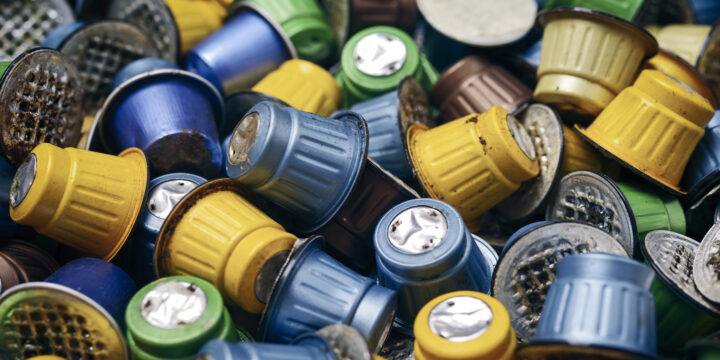
This is where most people get caught out, especially with the rise of alternatives that aren’t actually as easy to process as they look. Anything labelled as compostable or biodegradable, including those trendy coffee pods, will be rejected by the new scanners. Plastic bottles that once contained paint, white spirits, or engine oils are also on the forbidden list.
For larger items, you’re not allowed to bin garden furniture, old bins, or large plastic toys. Even smaller packing materials like polystyrene beads and PVC packaging will lead to your bin being left on the pavement.
Paper and card items that will not be collected
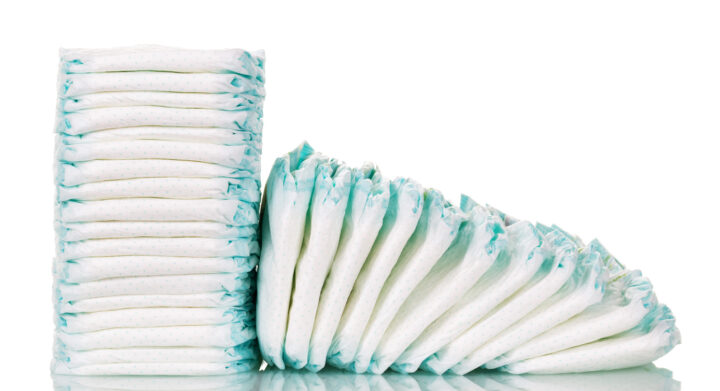
If it’s been used for hygiene or has a waterproof lining, it’s not going to make the cut. The machinery at the sorting office simply can’t handle the composite materials or the contamination involved. Food and drink cartons made of fibre-based composite material (often called Tetra Paks) are officially out.
You’re also prohibited from including absorbent hygiene products such as nappies, period products, and incontinence pads, along with used cotton wool and makeup pads. Standard bathroom waste like used tissue paper, toilet paper, and wet wipes must also go straight into the general rubbish.
Garden waste items that will not be collected
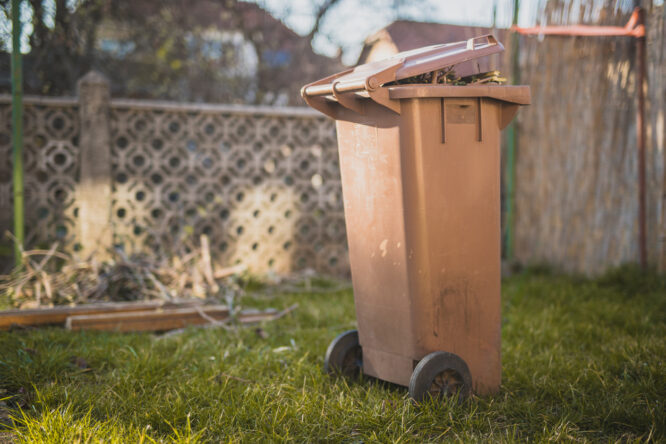
Your green bin is for organic garden growth only, so don’t think you can use it to dispose of the leftovers from a DIY project or the local pets. Landscaping materials like sand, stone, gravel, bricks, and plant pots are strictly banned, as is any broken fencing or garden furniture. You also need to keep animal waste, such as sawdust or bedding from pets, far away from this bin.
Interestingly, kitchen scraps like tea bags and coffee grounds now belong in the food bin rather than the garden one. Finally, any large branches or trees usually need to be chopped down to a specific size before they’ll be lifted.
What to do with items that won’t be collected
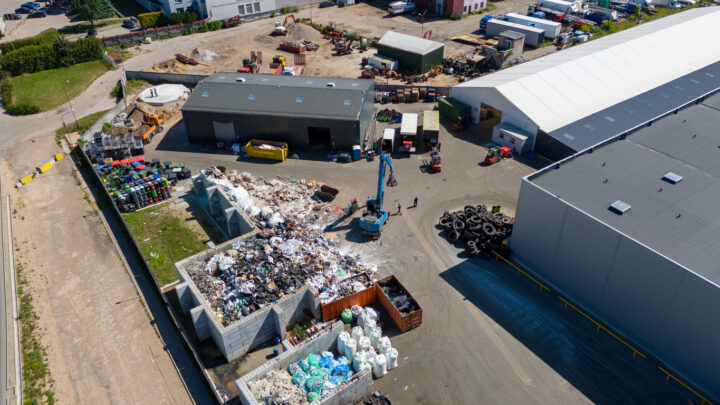
If you’re left with a pile of uncollectables, you’re going to have to do a bit of the legwork yourself. Most of these items, especially the bulky plastics, mirrors, and old pans, need to be taken down to your local household waste recycling centre. For the smaller bits, like batteries or that old iron, many supermarkets now have take-back bins near the entrance.
If your drinking glasses or crockery are still in one piece, it’s a much better shout to drop them at a charity shop rather than adding to the landfill. If you’re ever in doubt, checking your specific council’s website is the only way to be 100% sure before that £400 fine lands on your mat.