Every autumn, there’s always one big talking point everyone ends up discussing over a morning brew: what on earth have they named the storms this year?
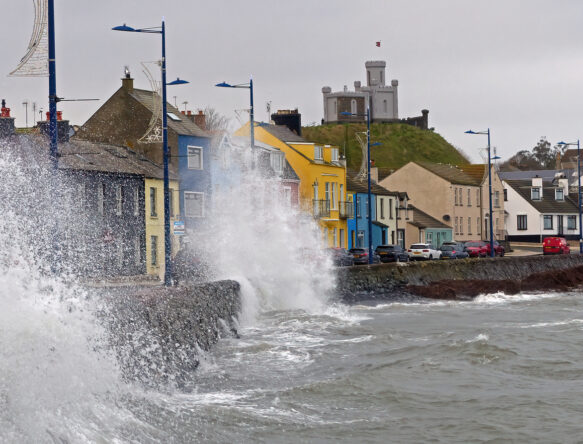
Giving gale-force winds and torrential downpours a human identity has become a staple of surviving a British winter, but the logic behind the names on the list is rarely straightforward. This upcoming season is no exception, and the Met Office’s latest roster pulls from a brilliantly strange mix of inspirations.
Rather than sticking to dry committee picks, officials sifted through a mountain of more than 40,000 suggestions sent in from the public, narrowing the list down to kick off with Austen, Boelo, and Chloe. The stories behind those choices take some truly unexpected turns, bridging the gap between passionate five-year-old weather watchers and classic British animation, proving that when the next big Atlantic system rolls in, it’ll arrive with plenty of personality behind it.
How the list gets put together
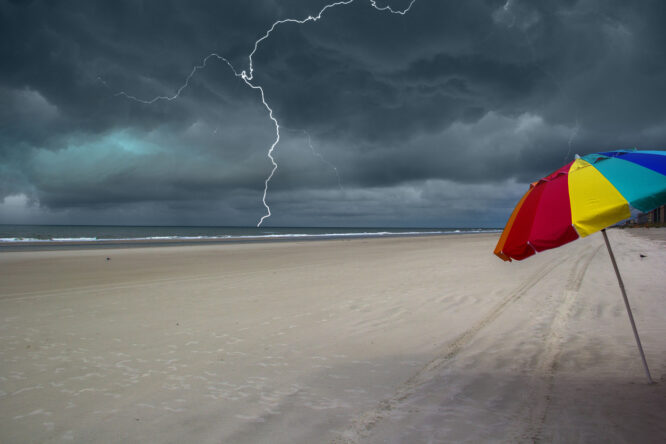
The list for the 2026-27 season was released by the UK’s Met Office, working alongside Ireland’s Met Éireann and the Dutch national weather forecasting service KNMI. Suggestions poured in honouring everything from a beloved pet labrador and pioneering weather scientists, to Shaun the Sheep from the Wallace and Gromit universe.
According to the Met Office, naming storms serves a practical purpose, helping people take notice of severe weather, prepare properly, and stay safe when conditions turn dangerous. The three organisations have been naming storms together since 2015, with each list running from early September through to the following August, timed to coincide with the start of meteorological autumn, when low pressure systems and the risk of storms severe enough to warrant a name typically increases.
How many storms actually get named each year
Last year’s list only reached its fourth name, with Storm Dave arriving on 1 April. The UK was also affected by three additional storms named by other European weather services during the same period, named Benjamin, Claudia and Goretti.
This year’s third name, Chloe, was put forward more than 120 times by members of the public, including by the mother of a five-year-old weather fan described as fascinated by the weather, while also capable of “creating a storm” of her own when overtired.
The personal stories behind some of this year’s names
Several names on this year’s list carry personal backstories. Finn was suggested in honour of a two-year-old boy described by his family as wild and a proper force to be reckoned with, while Ivy was put forward to celebrate a nine-month-old labrador puppy affectionately nicknamed “the absolute destructor” by her owners.
Shaun the Sheep also secured a spot on the list following a dedicated public vote, run in collaboration with British animation studio Aardman, best known for creating Wallace and Gromit.
Why the Met Office says storm naming is relevant
According to the Met Office’s head of warnings and guidance, storm naming has helped communicate the risks of severe weather far more effectively for well over a decade now. A named storm gives forecasts and warnings a clear focal point, making it easier for people to understand the potential impact and take steps to protect themselves, their families and their homes.
Storms only earn a name once they’re judged likely to have a medium or high impact across the UK, Ireland or the Netherlands. Wind remains the main factor considered, though additional risks like heavy rain or snow are also taken into account before a name is assigned.
The full list of storm names for 2026-27
Austen (Ireland)
Boelo (Netherlands)
Chloe (UK)
Dano (Netherlands)
Evelyn (Ireland)
Finn (UK)
Gwendolyn (Netherlands)
Heather (Ireland)
Ivy (UK)
Jade (Netherlands)
Kilian (Ireland)
Laoise (Ireland)
Miriam (Ireland)
Nicola (UK)
Olaf (Netherlands)
Phelim (Ireland)
Ruban (UK)
Shaun (UK)
Theo (UK)
Vesna (Netherlands)
Wende (Netherlands)
With the new season’s list now officially in place, all that’s left to see is how far down the alphabet this year’s storms actually reach before next August rolls around.