Being open-minded about religion doesn’t necessarily mean having endless deep conversations about theology or making regular visits to different places of worship.

Sometimes it’s much subtler than that, and it comes across in how you treat people with different beliefs than you, how you sit with uncertainty, or how willing you are to hear something you don’t fully understand. Whether you’re religious, spiritual, agnostic or somewhere in between, here are some signs you’re probably more open-minded about religion than you’ve given yourself credit for.
1. You’re curious instead of defensive.

When someone shares a belief that doesn’t match yours, your first instinct isn’t to shut it down. It’s to lean in and ask questions. You don’t have to agree with everything, but you’re interested in how they got there and what it means to them. That kind of curiosity is a form of respect. It means you’re not threatened by difference, and you’re comfortable enough in your own views to make space for someone else’s.
2. You don’t need everyone to believe what you do.
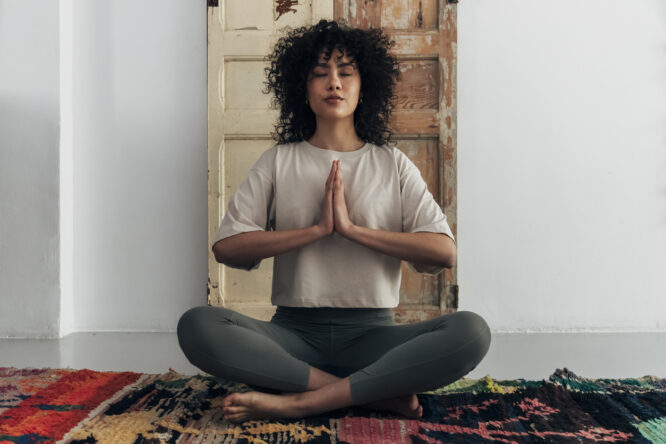
You’ve probably noticed that your friendships, relationships, or even family dynamics include a wide mix of beliefs, and that doesn’t bother you. You’re more interested in how people live than which label they claim. This shows you don’t confuse sameness with connection. You can be close to someone without needing them to think exactly like you do, and that’s a strong sign of open-mindedness.
3. You’re okay with not having all the answers.

Whether you’ve landed on your beliefs or are still figuring things out, you’re not obsessed with certainty. You understand that some questions are bigger than us, and that humility often matters more than having a final answer. Your openness to the unknown means you can listen to different worldviews without needing to resolve them into something neat or convenient. You’re more focused on understanding than on being right.
4. You separate people from institutions.

Maybe you’ve had negative experiences with religious institutions or strict teachings, but you don’t automatically write off people who practice. You know there’s a difference between systems and individuals, and you give people a chance to show you who they are. Having the ability to hold nuance matters. It means you can critique harmful behaviour without throwing out the entire belief system or dismissing someone’s faith altogether.
5. You see value in different practices, even if you don’t do them yourself.

You might not pray, fast, or attend religious services yourself, but you can appreciate why other people do. You understand that rituals, stories, and community traditions offer comfort and meaning, even if they’re not part of your life directly. Perspective doesn’t come from indifference; it comes from empathy. You don’t need to participate in something to recognise its emotional or cultural weight for other people.
6. You’re not quick to stereotype.

You don’t assume everyone from a certain religion thinks the same way. You know that within every group, there are different interpretations, levels of practice, and personal beliefs that shape how people show up. Rather than lumping everyone together, you take the time to hear what a person actually believes. That patience and nuance shows a deeper level of respect than many people realise.
7. You’ve changed your mind before, and you’re open to doing it again.
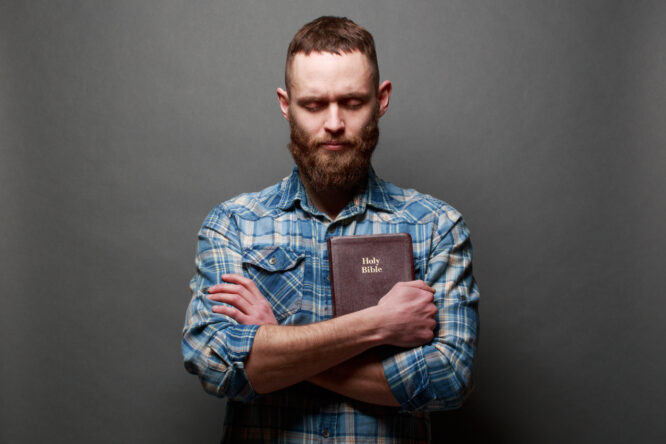
Maybe you used to think one way about religion and later changed. Or you’ve expanded your thinking as you’ve met people, read more, or simply grown up. The key is that you’re not rigid. You let new experiences inform your views. Your ability to evolve is often a sign of open-mindedness. It means you don’t cling to beliefs out of habit or fear. Instead, you engage with them honestly, and you allow room for growth.
8. You don’t mock people for having faith.

Even if you don’t personally identify as religious, you don’t roll your eyes at those who do. You don’t use terms like “delusional” or “brainwashed” to describe people who find comfort or guidance in their beliefs. This shows you understand that faith is deeply personal. You respect the fact that belief doesn’t have to be logical to be meaningful, and that mocking it only shows a lack of emotional maturity.
9. You’re interested in the “why,” not just the “what.”
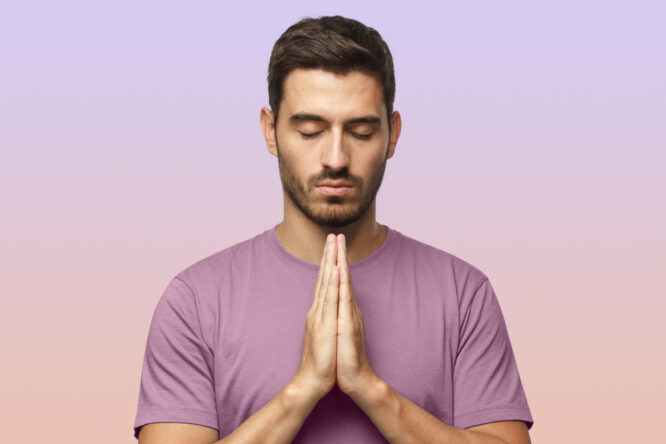
You don’t just ask what someone believes; you’re curious about how they got there. What shaped them? What experiences made certain things matter more than others? That interest in the backstory sets you apart. It means you care about people as individuals, not just as examples of a belief system. And when your focus is human rather than dogmatic, you naturally become more open-minded.
10. You’ve felt moved by something outside your belief system.

Maybe it was a piece of scripture, a song, a prayer, or even a moment inside a building that didn’t belong to your own faith. It stuck with you, not because it aligned with your views, but because it touched something in you anyway. This shows that you’re open to connection across lines. You can feel the power of something without needing it to be “yours.” That emotional openness is a strong sign you’re more spiritually flexible than you think.
11. You’re okay with people questioning their beliefs.
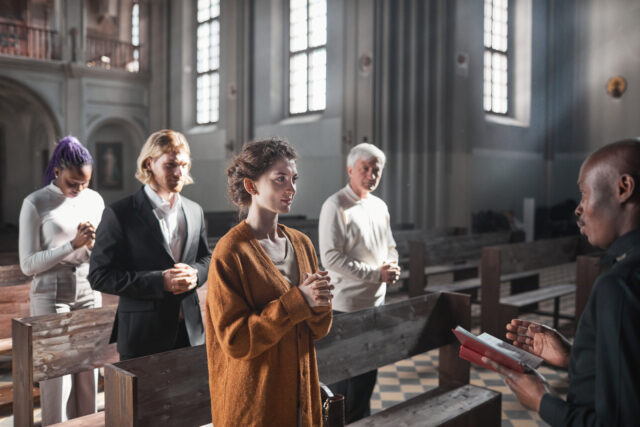
You don’t shame people for doubting or moving away from the religion they were raised in. You understand that belief evolves, and that leaving something behind doesn’t mean a person is lost or broken. This empathy shows that you respect people’s journeys. Whether someone becomes more religious, less religious, or something in between, you know they deserve patience, not judgement.
12. You can see both beauty and harm in religion.
You’re not all-or-nothing about it. You can acknowledge that religion has inspired art, kindness, and community, while also recognising where it’s been used to justify harm, exclusion, or control. Being able to hold both truths at once is a hallmark of open-mindedness. You don’t romanticise or vilify; you just try to see things as they are, with complexity and care.
13. You listen more than you preach.

You don’t try to convert people, corner them in debate, or act like you’ve got all the answers. Instead, you ask questions, hold space, and let people speak for themselves, even when you quietly disagree. That listening builds trust. It means you’re not here to win a conversation; you’re here to understand. That, more than anything, makes you someone people can open up to about faith.
14. You’re interested in meaning, even if it’s not labelled “religious.”

You think about purpose, connection, kindness, mortality, and mystery. You just might not frame those thoughts with religious language, and that’s okay. The point is, you’re asking the questions, and you’re open to the search. That inner curiosity is what spirituality often looks like beneath all the labels. You’re not closed off; you’re just finding your own language for things that have mattered to people for centuries. That means you’re more open-minded than you realise.