Emotional safety might not be something you talk about over dinner, but when it’s missing, you feel it.

That low-level tension, second-guessing, or walking on eggshells feeling usually means someone’s craving more security in the relationship, whether they know how to say it or not. Here are some subtle signs that either you or your partner might be quietly longing for emotional safety, even if everything looks fine on the surface. Hopefully, you can work together to provide it for one another.
1. You keep editing your words mid-sentence.

If you find yourself pausing, rephrasing, or stopping altogether when talking to your partner, it might not just be about being “careful.” It could be a sign that you don’t feel free to speak honestly without worrying about the fallout. When emotional safety is strong, communication feels less like a tightrope and more like a chat.
It’s normal to be thoughtful about how we express things, but constantly filtering yourself can slowly build up resentment. As time goes on, it becomes exhausting, and what you don’t say ends up speaking louder than what you do.
2. Jokes turn into jabs that don’t feel funny.

When you or your partner start making “harmless” jokes that leave the other person feeling small, something’s off. Teasing can be playful, but when it starts highlighting insecurities or touching nerves, it often points to unspoken tension or unmet emotional needs. In safe relationships, humour builds connection—it doesn’t eat away at it. If one person’s always the punchline, it might be time to unpack what’s really going on underneath the sarcasm.
3. One of you avoids conflict at all costs.

Disagreements happen in every relationship, but if one person is constantly backing down, changing the subject, or keeping the peace to avoid tension, they might be craving emotional safety they’re not getting. Avoidance is often mistaken for calm, but it usually signals discomfort. When someone doesn’t feel safe enough to speak up, they retreat. That silence isn’t neutrality—it’s often self-protection in disguise.
4. There’s a lot of overexplaining going on.

Needing to justify every feeling, action or decision is often a subtle cry for reassurance. If you or your partner constantly go into detail to prove you’re “not being dramatic,” it could mean someone’s worried about being misunderstood—or worse, dismissed. In emotionally safe spaces, people can speak plainly and still feel respected. No one should have to present a full case file just to say how something made them feel.
5. Small mistakes feel like a big deal.

If one of you spills something, forgets an errand, or messes up dinner, and it spirals into embarrassment or tension, there might be a deeper emotional sensitivity at play. Mistakes are normal, but when they trigger anxiety or shame, it can be a sign that safety is lacking. When people feel secure, they don’t panic about being human. They know they can mess up without it being held over them or blown out of proportion.
6. There’s a fear of “bringing things up.”

Emotional safety shows up in the ability to start awkward or vulnerable conversations. If one of you hesitates to share a concern because you’re afraid of being shut down or starting a row, it’s a red flag. You shouldn’t need to rehearse a monologue just to say how you feel. In strong relationships, communication doesn’t always feel comfortable, but it doesn’t feel dangerous either. You should be able to trust that honesty won’t end in punishment.
7. One of you is constantly checking for signs of annoyance.

Walking on eggshells isn’t always obvious. It can look like scanning facial expressions, re-reading texts, or trying to “read the room” before saying anything. If either of you is always gauging the other’s mood before relaxing, something’s off balance. People crave emotional safety when they’ve been burned before, whether in past relationships or this one. That low-key vigilance isn’t overthinking; it’s a survival habit waiting to be soothed.
8. You rarely feel fully understood.

Even if you talk often, if your feelings never seem to land or be taken seriously, emotional safety might be missing. Feeling “heard” isn’t just about someone listening—it’s about being met with empathy, not defensiveness or logic-traps. Being constantly misunderstood can leave you feeling disconnected and alone, even when you’re not physically alone. Over time, it chips away at trust and closeness.
9. One of you always plays “the strong one.”
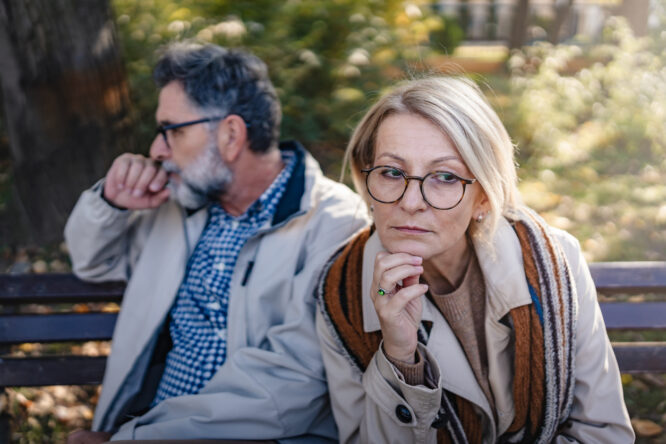
If you or your partner feel like there’s no room to struggle, admit fear, or need help, it’s often a sign that emotional safety isn’t fully there. People who always have to “hold it together” usually don’t feel they can afford to fall apart. That kind of role, whether chosen or inherited, can become a trap. Everyone deserves a space where vulnerability is allowed, not penalised.
10. There’s a constant need for reassurance.

When emotional safety is shaky, it often shows up as “neediness,” but it’s really a need for steady connection. If one of you is always asking if things are okay, or seeking validation, it usually means they don’t fully feel secure. This isn’t about being clingy. It’s about needing a reliable emotional anchor, especially if that person’s experiences have taught them that love can disappear without warning.
11. Criticism hits harder than it should.

In emotionally safe relationships, feedback feels like growth, not an attack. If one of you shuts down, lashes out, or spirals after being criticised, it could be because emotional security isn’t there to cushion the blow. Even gentle suggestions can feel like rejection when safety is low. It’s not a matter of being too sensitive—it’s about not having the reassurance that you’re still loved, even when you’re not perfect.
12. Vulnerable moments feel one-sided.

If one of you opens up and the other freezes, jokes it off, or deflects, it can create an emotional imbalance. Vulnerability needs to feel mutual, not performative or one-directional. When someone shares something personal, they’re testing the waters for safety. And if that moment is brushed aside, it quietly teaches them not to try again.
13. You’ve stopped bringing up future plans.

If the idea of talking about the future feels uncertain or even a bit scary, that could mean emotional safety is missing. It’s hard to dream or plan when you’re unsure if the foundation is solid. People who feel emotionally safe want to imagine the future together—because they trust that both voices matter and that neither person is walking on borrowed time.
14. You miss the version of yourself that felt relaxed around them.

If you look back and realise you used to feel lighter, sillier, or more at ease around your partner, something may have changed. Craving emotional safety often starts with missing that relaxed version of yourself. Relationships naturally evolve, but if you’ve slowly gone quiet, closed off, or on-edge, that’s not just about stress—it’s about emotional oxygen running low. You deserve to feel like you can fully show up, without being braced for impact.