Selling your car can feel like a bit of a faff, and in some ways, it is.

However, a handful of small jobs done before the listing goes live can genuinely add hundreds of pounds to the final price. Most buyers make up their minds in the first few seconds of looking at a car, whether that’s in person or on screen, so making yours look properly cared for matters more than you might think. Here are the things worth doing if you want to get the best return.
Deal with any dashboard warning lights.
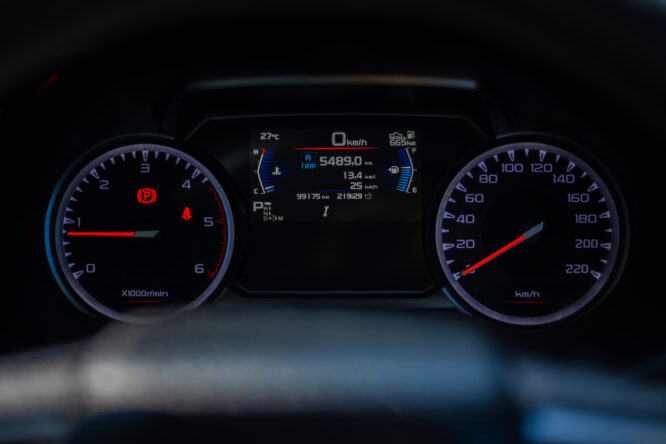
Don’t try to sell your car without first checking for any dashboard warning lights that stay on after the engine has started. If a buyer spots one when they come for a viewing, their confidence drops instantly, and so does the price they’ll offer. It’s far better to fix the issue, or at least be upfront about it before it becomes a deal-breaker.
Some warnings are easy to sort yourself, like a low tyre pressure alert or a routine service reminder. Others, including brake warning lights, ABS lights or low oil pressure, need a proper professional check. Keep any receipts for work that’s been done recently, since plenty of buyers will want to see proof that any issues have been looked at properly.
Gather all your paperwork in one place.

A neat folder of paperwork is one of the cheapest ways to make a car look well-loved. You’ll want the V5C logbook, MOT certificates, the service book and the car’s manual all in one spot. Invoices for any significant work, along with any documents showing finance has been cleared, also do a lot to reassure buyers.
If anything’s gone missing over the years, sort replacements before you list the car. You can request a replacement MOT certificate for free on the government website using your registration and the number from the logbook, and your garage or the DVLA can usually help with anything else. Mentioning all of this in your listing makes the car look properly looked after before a buyer has even seen it.
Check for any outstanding recalls.

This one’s easy to miss but really worth doing. Manufacturers occasionally recall cars to fix safety issues, and if your car has an active recall, you’re expected to tell any buyer. Most recalls are sorted for free at a main dealer, so there’s no reason not to deal with it before selling.
You can check your car’s recall status using the government’s MOT history service. Just type in your registration, scroll down to the recalls section and have a look. If you spot one, get it dealt with. If everything’s clear, pop a line like “no outstanding recalls” into your listing, since it makes the car look like it’s been properly looked after.
Sort out small dents and scratches.
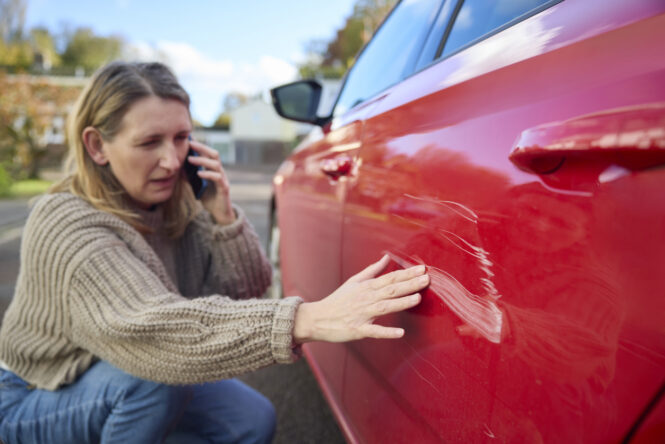
Even small cosmetic damage can put buyers off, whether they’re looking at the car in person or scrolling through your photos. Your car might be mechanically perfect, but a scratched bonnet or a chipped wing makes people assume the rest hasn’t been cared for either.
Smaller scratches can be tackled with a scratch repair kit or some touch-up paint, and the better ones can completely lift shallow marks in a single application. For bigger dents or deep scratches, it’s worth getting a professional look. Don’t forget the wheels, either, since scuffed or kerbed alloys can knock real money off the asking price. Just be sensible because there’s no point spending more on repairs than you’d gain from the sale.
Check your tyres before listing.
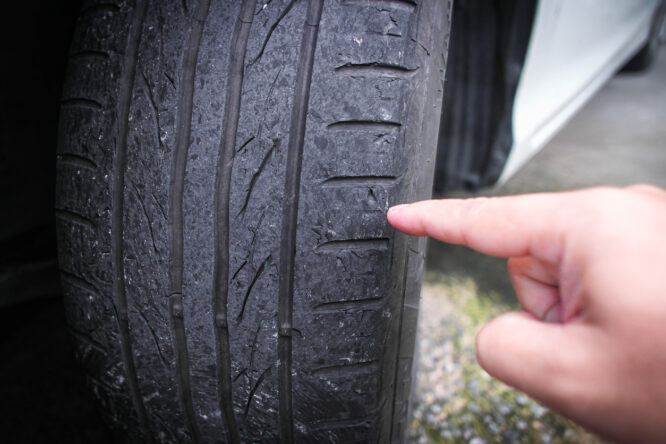
Tyres are one of the first things buyers look at, since they’re an obvious sign of how well a car’s been kept. Worn tyres also mean an immediate extra cost for the new owner, which they’ll either factor into a lower offer or use as a reason to walk away.
The legal minimum tread depth in the UK is 1.6 mm, but it’s worth replacing them around 3 mm for proper grip. The easy way to check at home is the 20p coin test, popping a 20p into the tread grooves. If the outer band of the coin is hidden, you’re above the legal limit. Also have a look for any cracks or bulges, which need fixing whether you’re selling or not. If you’ve recently had new tyres fitted, shout about it in your listing.
Give the interior a proper deep clean.
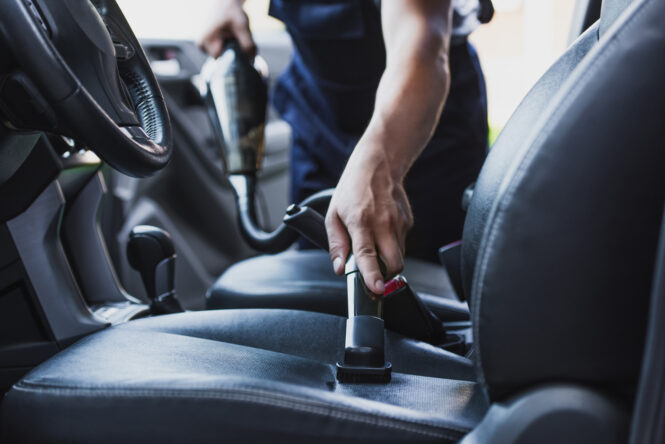
A clean interior is one of the most powerful tricks for boosting a car’s value, and it costs almost nothing. A professional valet can add hundreds of pounds to the sale price, but you can do a properly good job yourself with a bit of time and the right kit. Start by completely decluttering, including the boot, the glove box and the door bins.
Vacuum thoroughly, paying attention to the cracks between the seats and the back rests where most of the dirt hides. Wipe down high-contact areas like the steering wheel, gear stick and dashboard, and avoid harsh household cleaners that can damage upholstery or leather. A car-specific cleaner is much safer. A small paintbrush is brilliant for dusting out tricky air vents and trim gaps that a cloth just can’t reach.
Don’t forget the outside.

While you’re cleaning the inside, the outside deserves the same attention. A proper wash, including the wheels and the windows, makes the car look fresher and more cared for the moment a buyer arrives. A wax or polish on top adds that extra glossy finish that catches the eye in photos and at viewings.
Pay attention to the little details that buyers notice without realising, like cleaning the door shuts, getting bird mess off the paintwork, and giving the headlights a polish if they’ve gone cloudy. None of this takes long, but it lifts the overall impression in a way that justifies a higher asking price.
Take properly good photos for your listing.

A strong set of photos can be the difference between a listing that gets ignored and one that gets messages within an hour. Find a clean, uncluttered background like a quiet driveway or an empty car park, and take your photos in bright daylight rather than gloomy evenings. If the photo looks a bit dark on your phone, nudge the brightness up before posting.
Aim for a good mix of shots covering the full exterior from every angle, plus close-ups of the wheels, the interior, the dashboard, and the mileage counter. Include any parts of the car you’d want to inspect as a buyer, including the boot, the engine bay and any optional features. Your phone is fine for this if you’re careful, but a proper compact camera will give you sharper results.
How to work out what your car’s worth

Setting the right asking price is the bit most sellers get wrong. Pitch it too high and you’ll sit waiting for weeks. Pitch it too low, and you’ll unintentionally leave money on the table. The easiest place to start is one of the free online car valuation services, which give you a rough quote in seconds based on your car’s age, mileage, and condition.
For a more accurate view, search classified sites like Autotrader for cars similar to yours, filtering by age, mileage, and spec. Those listed prices are what people are asking, not necessarily what they’re getting, so the real sale price will usually be a touch lower. Between the online valuations and the listings, you’ll soon have a sensible range to aim for.
Why the small jobs add up to more than you’d expect

The thing to remember is that none of these tips on their own makes a huge difference, but together they can change the perception of your car from “tired and tatty” to “loved and looked after.” Buyers pay more for a car that feels cared for, even when the spec is identical to a rougher version elsewhere.
Spend a quiet weekend on the cleaning, paperwork, photos and small repairs, and you’ll often add several hundred pounds to the final price for very little outlay. The maths really does work in your favour. A few hours and a small bit of spending now means a bigger payment in your account when the car drives off to its next owner.