We’ve all filled our trolleys with items that practically scream health from the packaging, convinced that we’re doing our cardiovascular system a massive favour.

It’s easy to feel like a pro when you’re opting for the low-fat yogurt or the “natural” granola bars, but a lot of these supposed superfoods are actually wolf in sheep’s clothing. Underneath the bright labels and claims of being heart-smart, many of these products are loaded with hidden sugars and processed fats that put your arteries under more strain than a standard cheeseburger.
The problem is that food marketing has outpaced our common sense, making it difficult to spot when a light snack is actually a chemical mess. Stripping back the jargon reveals that some of your go-to dietary staples might be the very things standing between you and a clean bill of health.
Fruit juices might seem like a healthy choice, but they’re often packed with sugar.

Fruit juice sounds like an easy win, but once the fibre is removed, you’re mostly left with sugar that your body absorbs quickly. Even though it comes from fruit, it still affects your blood sugar in a similar way to added sugars when it’s concentrated like that.
It’s also easy to drink far more than you would ever eat in whole fruit form, which is where it starts to add up. Having it occasionally is fine, but relying on it daily can slowly work against your heart without you really noticing.
Flavoured yoghurts add more sugar to your diet than you’d expect.
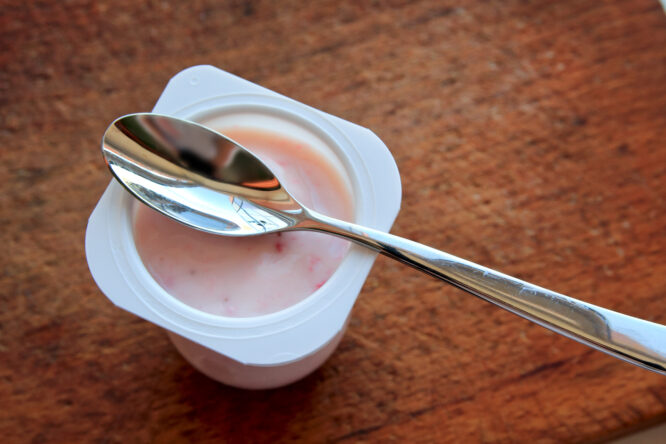
Yoghurt can be a healthy staple, but flavoured versions often contain a surprising amount of added sugar to improve taste. Some end up being closer to a dessert than something you’d expect to support your health. People often choose them thinking they’re making a better choice, which is why they become a regular habit. Switching to plain yoghurt and adding your own fruit keeps the same idea but without the hidden extras.
Granola and cereal bars seem healthy on the surface, but they’re easy to overdo.

Granola has a healthy reputation because of oats and nuts, but many shop-bought versions are loaded with syrups, oils, and added sugars. The same goes for cereal bars, which are often marketed as quick, healthy snacks. They don’t tend to fill you up for long, either, which means it’s easy to eat another one not long after. Over time, that pattern can lead to more calories than you realise, which links back to heart health.
Plant-based meats are more processed than you’d think.
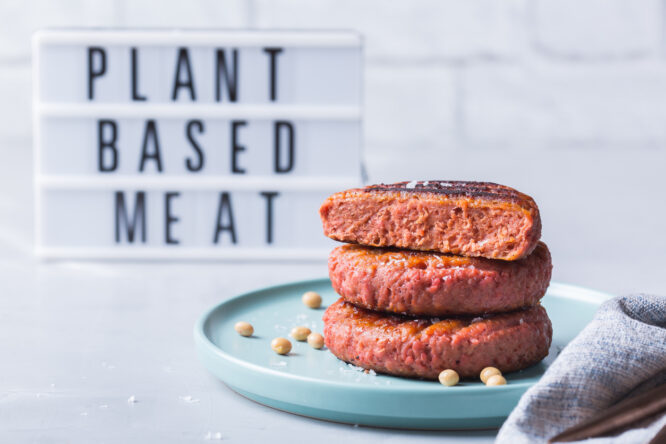
Switching to plant-based options can be a positive step, but not all alternatives are equal. Many meat substitutes are heavily processed and can be high in salt and added ingredients. They can still have a place in your diet, but relying on them as a main staple isn’t always the best move. Mixing in simpler options like beans or lentils keeps things more balanced.
Smoothies turn several portions of fruit into one sugary hit.

Smoothies can sound like a great idea, but blending multiple fruits together creates a large amount of sugar in one go. Without much fibre structure left, it’s easy to drink more than you would eat. They also don’t feel as filling, which means you might still eat a full meal afterwards. Keeping them smaller and simpler helps keep things more in line with what your body actually needs.
Low-fat products usually replace fat with something else.

Low-fat foods often swap fat for sugar or refined carbs to keep the taste appealing. That trade-off doesn’t always help when it comes to heart health, even if it sounds like the healthier option. It’s one of those cases where the label doesn’t tell the whole story. Looking at the ingredients rather than just the headline claim usually gives a clearer picture.
Ready-made “healthy” meals are inevitably high in salt.

Pre-packaged meals labelled as healthy can still contain a lot of salt to improve flavour and shelf life. Even if they don’t taste overly salty, the amount can add up quickly. They’re convenient, which is why people rely on them, but using them occasionally rather than daily tends to be a better balance for your heart.
Salad dressings often undo the healthiness of the overall meal.

Salads are often seen as a safe option, but the dressing can completely change that. Many bottled dressings are high in sugar, salt, and refined oils, even when they’re labelled as light or low-fat. It’s one of those things people don’t think about because the base of the meal feels healthy. A simple homemade dressing or a lighter option can make a big difference without changing the meal itself.
Protein shakes aren’t always as clean as they seem.

Protein shakes are often linked to fitness and health, but some versions contain added sugars, flavourings, and processed ingredients that don’t add much nutritional value. They can be useful in certain situations, but relying on them regularly instead of whole foods isn’t always the best approach. Keeping them occasional rather than daily helps keep things balanced.
What to focus on instead if you’re thinking about your heart

Most of this isn’t about cutting things out completely, it’s about patterns. Foods that are closer to their natural state, with fewer added ingredients, tend to support heart health without much effort. Keeping things simple, cooking more at home when you can, and not relying too heavily on anything packaged as healthy usually gets you most of the way there without needing to overthink it.