If you’re heading north of the border, it doesn’t take long to realise that Scotland has a completely different set of social rules and traditions that can leave anyone from England feeling a bit like a confused tourist.
We like to think we’re all pretty similar on this island, but the reality is that the Scottish way of doing things, from how they celebrate the New Year to the specific foods that appear at every gathering, is a world away from what you’ll find in a typical English town.
It’s not the obvious stuff like kilts or bagpipes; it’s the smaller, more ingrained habits and celebrations that have been part of the furniture for centuries. You don’t even notice how “English” your own perspective is until you’re stood in a room full of people who are all following a script you’ve never actually seen before.
Hogmanay isn’t just New Year’s Eve—it’s the main event of the year.
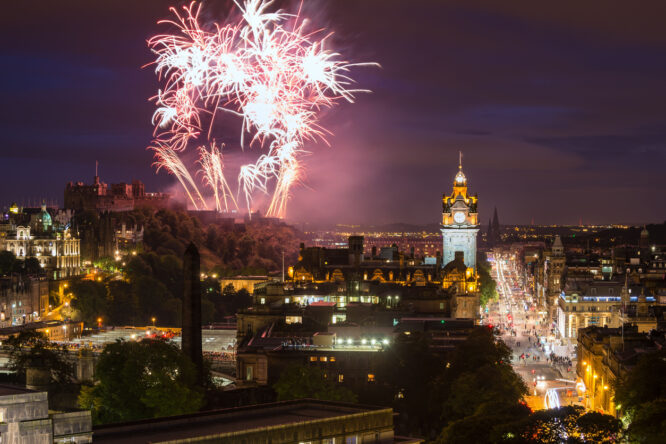
For a lot of people in England, New Year’s Eve is a nice night out, maybe a countdown and a few drinks before everything settles down again. In Scotland, Hogmanay feels like something much bigger. It stretches across days, not just hours, with street parties, fireworks, and a sense that this is the real moment the year turns, not just a date on the calendar.
What really stands out is how much effort goes into it. People plan for it, travel for it, and treat it like a proper occasion rather than an afterthought following Christmas. Cities like Edinburgh turn it into a full-scale celebration, but even in smaller towns and homes, there’s a sense that Hogmanay still carries real weight, not just tradition for the sake of it.
First-footing turns New Year into something oddly meaningful.

Not long after midnight, there’s this quiet but surprisingly important tradition where the first person to step into your home is said to set the tone for the year ahead. Ideally, they bring small gifts like food or drink, and there’s a bit of thought put into who that person is going to be.
To someone from England, it can feel slightly surreal at first, because New Year’s traditions are usually far less structured. But once you see it in practice, it makes sense. It turns what would normally be a fairly forgettable moment into something a bit more intentional, almost like a reset rather than just a celebration.
Burns Night feels like stepping into a living piece of history.

Burns Night isn’t just a themed dinner, it’s an event with a clear format that people actually stick to. There are speeches, poems, toasts, and the famous moment where the haggis is addressed as if it’s the guest of honour. It can feel a bit theatrical if you’re not used to it, but that’s part of the point.
What stands out is how normal it all feels to the people taking part. It’s not treated as something outdated or niche, it’s just part of the calendar. That willingness to hold onto tradition without it feeling forced is something that often surprises people coming from England, where similar traditions don’t always have the same level of participation.
Ceilidhs are chaotic, social, and somehow still work.
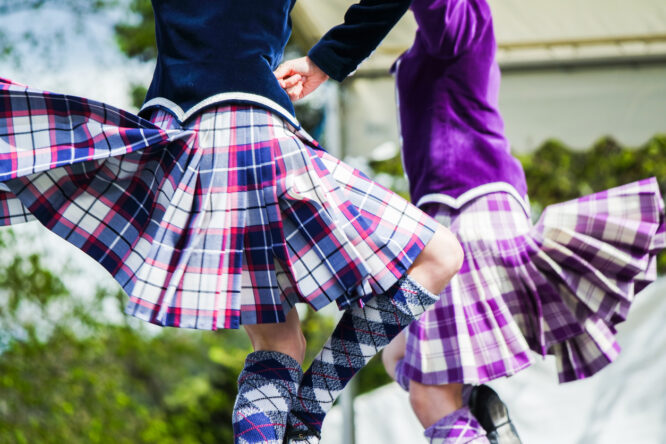
If you end up at a ceilidh for the first time, it can feel like you’ve been dropped into the middle of something you don’t quite understand. There are instructions being shouted, people spinning in the wrong direction, and a general sense of organised chaos.
However, that’s also what makes it stand out. It’s not about getting it perfect, it’s about joining in. Compared to more passive social events where people stick to small groups or stay on the sidelines, ceilidhs pull everyone into the same experience. By the end of it, most people who felt unsure at the start are completely into it.
The language sounds familiar until it suddenly isn’t.
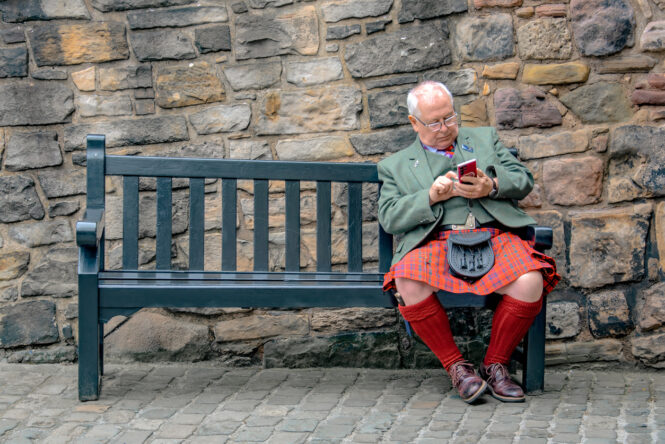
At first, Scottish English feels close enough that you don’t think twice about it. Then certain words or phrases pop up that make you pause for a second. Everyday words like messages, wee, or aye are used in ways that don’t always line up with what people from England expect.
It’s not just vocabulary, either; it’s the rhythm and tone of how people speak. Conversations can feel quicker, more direct, and sometimes harder to follow until your ear adjusts. It’s one of those things that becomes completely normal after a while, but definitely stands out at the start.
The relationship with the outdoors feels more open.

One of the biggest differences people notice is how accessible the outdoors feels. Scotland has broader rights to roam, which means people can walk across large areas of land that would be restricted elsewhere. It creates a different kind of connection with the landscape.
That openness changes how people use their surroundings. Hiking, exploring, and just being outside feels less like something planned and more like something that’s always available. For visitors from England, where access can be more limited, that freedom stands out almost immediately.
Weather rarely changes the plan.
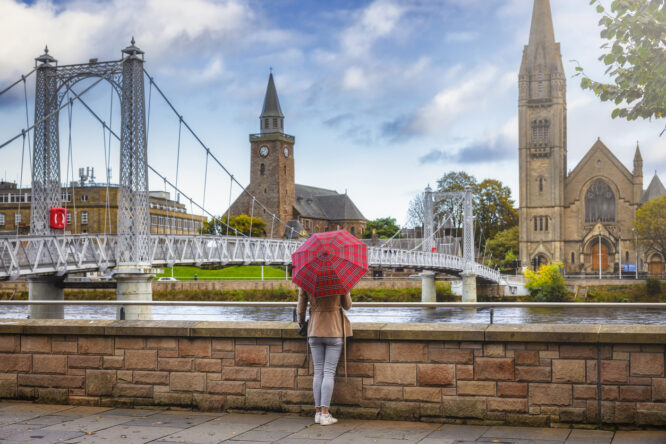
People everywhere talk about the weather, but in Scotland there’s a stronger sense of just getting on with things regardless. Rain, wind, or cold doesn’t tend to cancel plans in the same way, it just becomes part of the day.
That attitude can feel refreshing if you’re used to plans changing at the first sign of bad weather. It creates a slightly tougher, more flexible approach to daily life, where conditions aren’t always ideal, but things carry on anyway.
Food traditions feel more tied to specific moments.

There’s a stronger link between food and occasion in Scotland than some people expect. Certain meals are tied to particular dates or traditions, and when they come around, people actually mark them rather than letting them pass unnoticed.
It gives everyday food a bit more meaning. Things like haggis, shortbread, or traditional dishes aren’t just random choices, they’re connected to time, place, and history. That sense of context is what often stands out, rather than the food itself.
Daily routines feel familiar but slightly different in pace.

On the surface, daily life looks much the same, work, shops, commuting, all the usual routines. But the pace and feel of it can be a bit different depending on where you are. Things can feel less rushed, especially outside the bigger cities.
That doesn’t mean slower in a negative way, just a slightly different rhythm. It’s the kind of difference you don’t notice straight away, but once you do, it sticks. For people used to a faster pace in parts of England, it can feel like a subtle shift rather than a complete change.
National identity is more visible in everyday life.
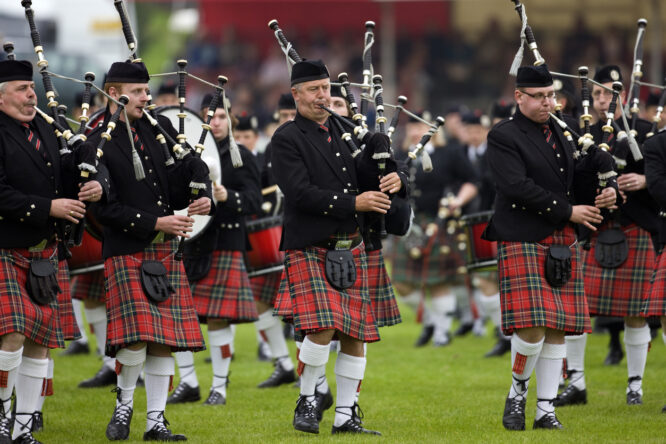
Scottish identity tends to show up in ways that feel natural rather than staged. Flags, symbols, and references to culture and history appear more openly in day-to-day life, whether that’s in conversation, events, or even just what’s on display.
For someone from England, where identity can feel a bit more understated or mixed, that visibility stands out. It’s not about making a point, it’s just part of how people express where they’re from, and it comes through in small ways as much as big ones.