Taking care of your gums usually means enduring painful deep cleans at the dentist and struggling with awkward dental floss every single night.
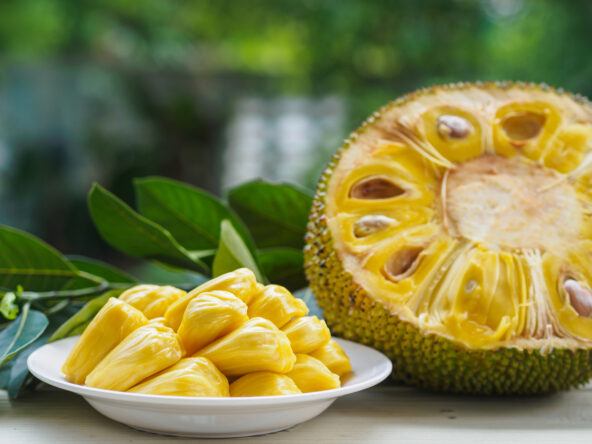
Scientists in Brazil have come up with a surprising idea for treating bad gum disease, and it involves a giant tropical fruit you might not expect. By mixing jackfruit with pomegranate peel and a common cholesterol medicine, they think they’ve found a way to not just fight gum infections but actually help rebuild the damage underneath, something most current treatments struggle to do.
While it sounds too simple to be true, integrating this delicious food into your normal routine is showing massive potential for repairing tissue and halting deep decay in its tracks. Before you spend a fortune on specialised chemical mouthwashes or painful dental treatments, heading down the fruit aisle could be the easiest way to completely transform your oral health.
Gum disease can ruin your oral health if left untreated.

Gum disease, also called periodontitis, isn’t just sore or bleeding gums. It’s an ongoing infection that slowly eats away at the bone and tissue holding your teeth in place, and if it’s left untreated for long enough, teeth can become loose, shift position, or even fall out entirely.
It tends to creep up gradually rather than appearing overnight, which is part of why it’s so hard to catch early. By the time someone notices a problem, the bacteria causing it have often already started breaking down the supporting structures around the teeth, and reversing that damage is far harder than preventing it in the first place.
Current treatments fall short in many ways.

Most treatments right now focus on stopping the infection and calming the swelling, using things like deep cleaning, antibiotics, or surgery in more serious cases. These methods can be effective at controlling the disease, but they don’t really fix the damage that’s already been done to the bone and tissue.
Other options exist, too, including procedures designed to encourage the body to regrow lost tissue or grafts using bone material. The trouble is these approaches don’t always work the same way for every patient, and results can be unpredictable, which is exactly the gap scientists have been trying to close for years.
What makes jackfruit special?
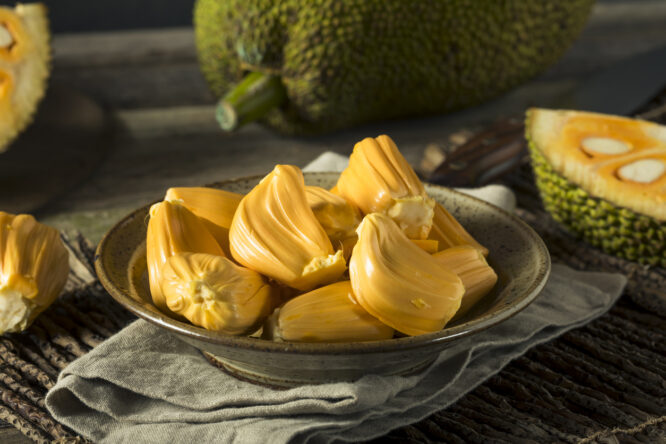
Jackfruit might seem like an odd choice for a medical treatment, but it produces a sticky liquid called latex that clings to surfaces really well. Scientists realised this stickiness could be useful, since it means a treatment made from it would stay put on the gums rather than washing away too quickly.
That detail is important because gum disease treatments need time to actually work where they’re applied. A sticky material means the active ingredients stay exactly where they’re needed instead of disappearing the moment someone swallows, talks, or rinses their mouth out.
Adding pomegranate to the mix amplifies jackfruit’s effects on gums.
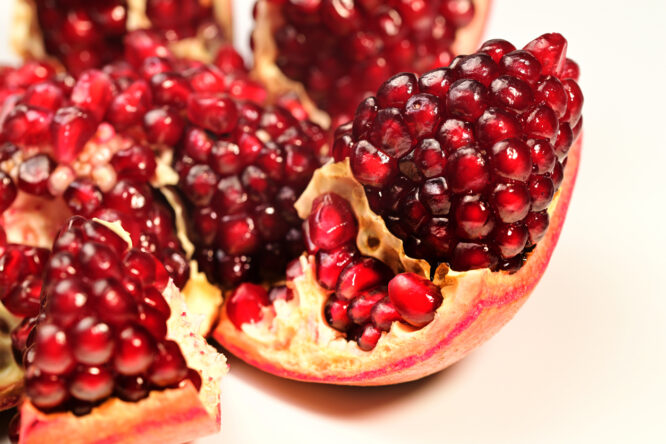
Pomegranate peel was added next because it’s known for fighting germs when applied directly to skin or gum tissue. Combined with the jackfruit latex, it helps tackle the infection part of gum disease right at the source, rather than relying purely on antibiotics taken elsewhere in the body.
This pairing gave scientists a material that could stick around and fight bacteria at the same time, which is exactly the combination they were after. Neither ingredient on its own would likely do the job as well as the two combined.
A cholesterol drug was thrown in too.

The third ingredient is a bit surprising: simvastatin, a medicine normally used to lower cholesterol in people at risk of heart disease. It turns out this drug can also help stimulate bone growth, which made it a useful addition for repairing the damage gum disease leaves behind around the teeth.
Normally, taking this drug as a pill means most of it gets absorbed by the liver before it can do much elsewhere in the body, so doctors have to use larger doses to get any real effect, which raises the risk of side effects like muscle problems. By putting it directly into the gel and applying it straight to the gums, scientists could use a much smaller amount and avoid that issue almost entirely.
How was the mixture made?

To create the gel, the team collected fresh latex straight from harvested jackfruit and carefully purified it before adding the pomegranate extract. The result was a sticky paste designed to sit on damaged gum tissue and slowly release its ingredients over time rather than all at once.
They tested the gel at three different strengths to see which worked best without causing any unwanted side effects or breaking down the material itself. Getting this balance right was a key part of making sure the treatment would actually be usable.
What happened in testing?
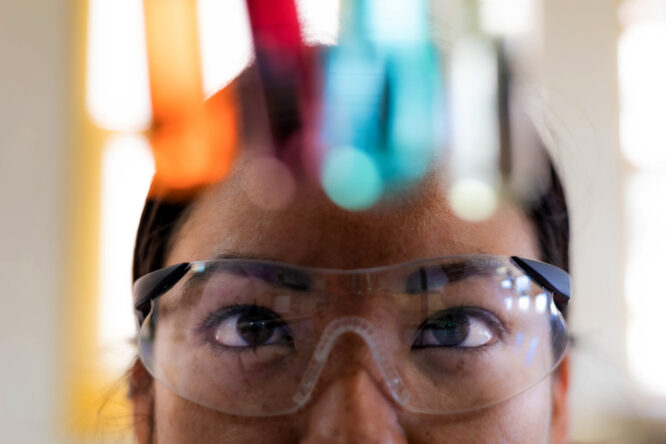
When tested on human stem cells in a lab, all three versions of the gel encouraged cells to start turning into bone, which is exactly the kind of repair gum disease damage needs. After two weeks, this effect was already showing up clearly, and by three weeks it had grown even stronger.
None of the three strengths damaged the structure of the gel itself, meaning the mixture stayed stable and usable throughout testing. Consistency is particularly important here, especially since a treatment that breaks down too quickly wouldn’t be much use in a real mouth.
So, what do we do with this info?

Researchers are calling the early results encouraging, especially since jackfruit latex hasn’t been studied much for this kind of medical use before now. They believe it could open the door to new treatments not just for gum disease, but possibly other areas of medicine where similar healing properties might be useful.
Before this could ever end up in a dentist’s office, though, more research still needs to happen to prove it’s both safe and effective for actual patients, rather than just promising in lab conditions.