Hands-on dads create smarter kids, and it’s not because they’re necessarily better parents or love their children more.
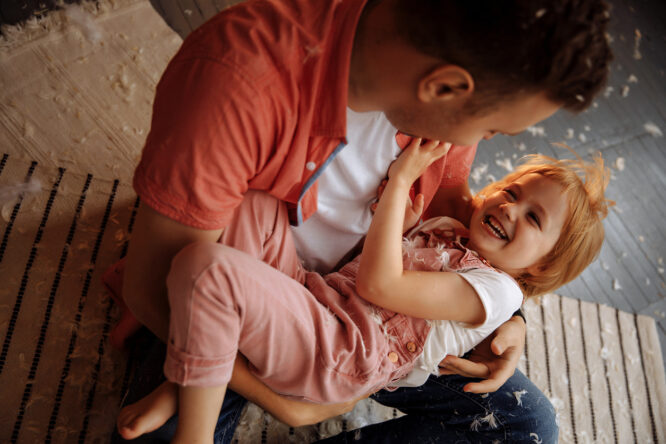
It’s because involved fathers do specific things that accidentally turn their kids into better thinkers, problem-solvers, and learners without even trying. While a lot of dads still find it intimidating to get stuck in when it comes to childcare, it’s time to get over it. Super involved dads are where it’s at.
1. They play rougher and don’t worry about minor injuries.
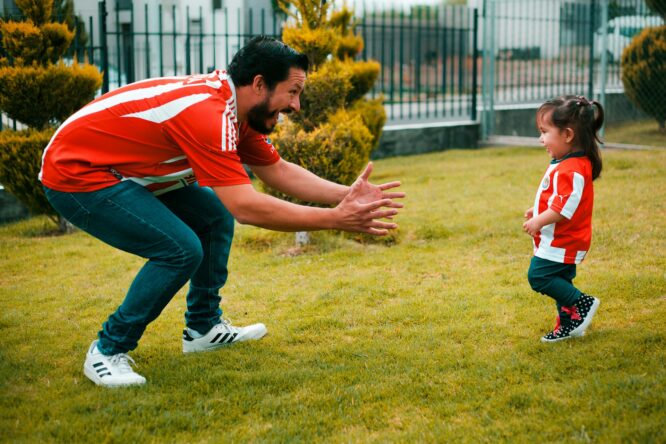
Dads will wrestle with their kids, throw them around, and let them climb on dangerous playground equipment while mums are having heart attacks on the sidelines. That rough play forces kids to think fast, read situations quickly, and make split-second decisions.
Kids whose dads wrestle with them learn to process multiple things at once: managing their body, reading dad’s intentions, and strategising their next move. Their brains get a workout that structured activities just can’t provide.
2. They make kids figure things out instead of just telling them.

When a child asks how something works, involved dads are more likely to say, “What do you think?” instead of immediately explaining everything. They’ll stand there while their kid struggles with a problem for way longer than most people can tolerate.
It drives kids crazy in the moment, but it forces them to actually think instead of just collecting information. Kids learn that their brain can solve problems if they give it time to work.
3. They let kids fail without rushing in to fix everything.

Dads will watch their kid struggle with a puzzle or homework problem and not immediately jump in to help. They’re comfortable with their kids being frustrated, confused, or temporarily defeated by something difficult.
Most kids today get rescued from any discomfort immediately, but involved fathers let their children sit with problems long enough to actually solve them. This builds the kind of persistence that makes kids smarter over time.
4. They use big words and don’t dumb everything down.
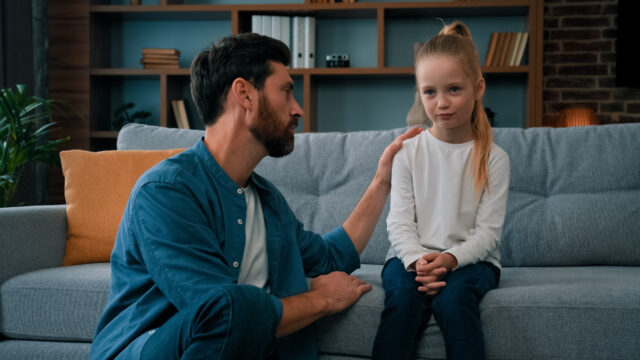
Fathers are less likely to use baby talk or simplify their vocabulary when talking to their kids. They’ll use regular adult words and expect their children to keep up or ask questions if they don’t understand something.
Kids whose dads talk to them like they’re capable of understanding complex ideas develop bigger vocabularies and better comprehension skills. They learn that they can handle sophisticated concepts if they pay attention.
5. They encourage their kids to take risks and try dangerous stuff.

While everyone else is wrapping kids in bubble wrap, involved dads will let their children climb trees, ride bikes without training wheels, or try activities that might result in scraped knees or bruised egos.
Risk-taking builds confidence and spatial intelligence, both of which are great skills to have. Kids who are allowed to push physical boundaries develop better problem-solving skills and aren’t afraid to tackle challenging academic subjects later.
6. They approach problems completely differently than mums do.

Fathers often solve problems in ways that are totally different from how mothers handle the same situations. Kids get to see that there’s more than one way to think through challenges and find solutions.
When kids see different problem-solving styles, they develop more flexible thinking. They learn that being stuck doesn’t mean giving up. It just means trying a different approach.
7. They actually plan educational stuff instead of just hoping school handles it.

Hands-on dads will take their kids to museums, plan science experiments, or work on building projects because they think it’s fun, not because they’re trying to be good parents. They genuinely enjoy learning alongside their children.
Kids whose fathers actively engage in educational activities outside school develop a love of learning that goes beyond just getting good grades. They see education as something interesting rather than just work they have to do.
8. They expect their kids to be capable of hard things.
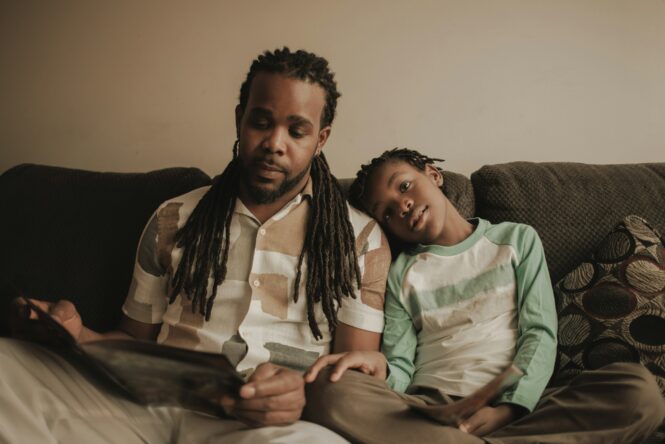
Involved fathers often assume their children can handle difficult tasks and communicate that confidence clearly. They don’t lower their expectations just because something is challenging or because their kid complains about it.
When dads believe their kids are capable of more than they think they can do, those kids often rise to meet those expectations. They develop higher standards for themselves and more confidence in their abilities.
9. They teach practical skills that accidentally build brain power.

Dads will teach their kids to use tools, fix things, cook, or build stuff because they think these are important life skills. They don’t realise they’re also building spatial reasoning, planning abilities, and problem-solving skills.
Kids who learn to work with their hands develop better understanding of how things work, which helps them grasp abstract concepts in school. Building a birdhouse teaches maths and physics without feeling like homework.
10. They refuse to do things for kids that kids can do themselves.
Involved fathers have less patience for helplessness and will teach their child to do something once, then expect them to handle it independently. They won’t tie shoes or pack backpacks for kids who are perfectly capable of doing it themselves.
This builds competence and self-reliance while strengthening the brain pathways related to planning and organisation. Kids whose dads make them handle their own stuff develop better executive function skills.
11. They have actual conversations instead of just managing behaviour.

Fathers are more likely to discuss current events, debate ideas, or explore hypothetical scenarios with their children. They treat kids like people who can think about complex topics, rather than just small humans who need constant direction.
These conversations force kids to think critically, consider different viewpoints, and construct logical arguments. Children who regularly engage in analytical discussions develop stronger reasoning abilities.
12. They introduce healthy competition without everyone getting a trophy.

Involved dads will keep score, celebrate wins, and acknowledge losses without making everything about self-esteem. They teach kids that improving performance matters and that effort should lead to better results.
Healthy competition motivates children to actually get better at things instead of just participating. Kids learn to set goals, work toward improvement, and handle both success and failure appropriately.
13. They handle emotions differently and teach kids alternative strategies.

When kids are upset, fathers often focus on problem-solving or distraction rather than just validating feelings. They might suggest physical activity, logical analysis, or simply moving on rather than dwelling on emotional responses.
Having multiple strategies for managing emotions helps children develop better self-control and clearer thinking under pressure. Kids who learn varied emotional regulation techniques perform better when faced with academic or social challenges.
14. They explain why education actually matters in real life.

Hands-on fathers are better at connecting academic subjects to practical applications and future opportunities. They’ll explain how maths apply to building projects, how reading opens up career possibilities, or why science knowledge is useful.
When kids understand the practical value of what they’re learning, they become more motivated to tackle difficult subjects. Education stops being just something they have to do and becomes something that will actually help them in life.