If you’re currently looking at flights and thinking about booking a getaway, you might want to hold off until you’ve checked the latest status of your destination.

It’s one thing to deal with a bit of rain or a delayed train, but several spots that used to be holiday staples are now properly off-limits. We’re talking about places where the local situation has deteriorated so much that airlines are pulling their routes entirely, and travel insurance won’t even cover you if you decide to go anyway. It’s a messy time for international travel, and blindly booking based on a cheap deal could land you in the middle of a civil crisis or an area where the basic infrastructure has completely packed up.
Why is extra caution so important right now?

US and Israeli forces struck Iran on 1 March 2026 in what was described as a pre-emptive strike against nuclear weapons development. Retaliatory acts followed, airspace across the region closed or was severely disrupted, and hundreds of thousands of travellers were left stranded or diverted. The FCDO has since mounted what it describes as an unprecedented support operation for British nationals in the region, with more than 100,000 registering their presence in the days following the strikes. The situation remains fast-moving, and the guidance is being updated regularly. In the meantime, you’ll want to avoid these areas, even if you have family or other loved ones there you were hoping to visit.
Iran

The FCDO advises against all travel to Iran. This was already one of the most serious warnings in place before the strikes, with British nationals and dual nationals facing what the Foreign Office describes as a significant risk of arrest, questioning, or detention. The strikes have made the situation considerably more dangerous, and consular support within the country is severely limited. British nationals currently in Iran should contact the Foreign Office emergency line.
Syria

The FCDO advises against all travel to Syria. The country has been under the most serious travel warning for years due to ongoing instability following more than a decade of conflict. The situation in Syria remains volatile, parts of the country are controlled by armed groups operating outside government authority, and British consular support is not available from within the country. Anyone in Syria who needs assistance should contact the Foreign Office in London directly.
Yemen

Yemen has been subject to an all-travel warning for a long while, and that position hasn’t changed. Houthi attacks in and around the Red Sea have been ongoing throughout 2025 and into 2026, and the broader regional escalation has made an already dangerous situation considerably more complex. There’s just no safe way to travel to Yemen at this time, and the FCDO advises against all travel without exception.
Iraq
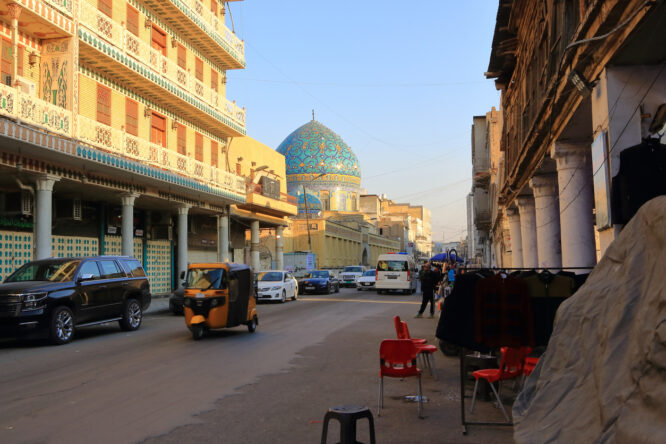
The FCDO advises against all but essential travel to Iraq, with specific areas subject to the highest level of warning. The regional conflict has heightened the risk of spillover incidents, and the security situation across the country is considered unpredictable. British nationals in Iraq should follow FCDO guidance closely and have contingency plans in place given the speed at which the situation has been changing.
Lebanon
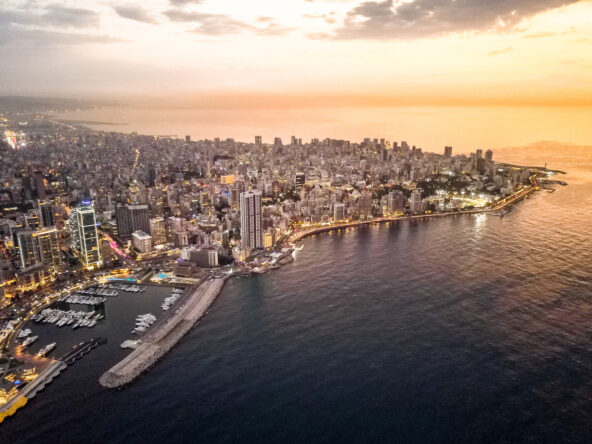
Lebanon is subject to an all-but-essential travel warning, and the FCDO has updated its guidance in response to the current escalation. The country has its own fragile internal situation, and the proximity to the conflict makes it particularly vulnerable to rapid deterioration. Flights in and out of Beirut have been disrupted, and British nationals in Lebanon should check the latest guidance and be prepared to leave at short notice if conditions allow.
Israel and the Occupied Palestinian Territories

The FCDO has urged British nationals in Israel and Palestine to register their presence to receive direct updates. The Foreign Office advises against all travel to Gaza and specific areas near the northern border, with the wider region subject to heightened risk warnings. Given the direct involvement of Israel in the strikes on Iran, the risk of retaliatory action affecting Israeli territory has increased in a big way, and anyone currently in the country or considering travel should monitor the situation closely.
UAE, Qatar, and Bahrain

In an unusual and important escalation of language, the FCDO has advised British citizens currently in the UAE, Qatar, and Bahrain to immediately shelter in place. These are countries that large numbers of British nationals visit regularly for tourism and business, and the advice to shelter rather than move reflects how rapidly the regional situation has deteriorated. Flights from major hubs including Dubai have been cancelled, and the airspace situation remains uncertain. Anyone planning to travel to these destinations should not do so until further notice.
Kuwait

Kuwait is included in the shelter-in-place guidance for British nationals currently in the country. The FCDO has asked citizens there to register their presence and await further instructions while the situation in the Gulf develops.
Oman

The FCDO has stated that no travel to Oman is currently considered safe, and British nationals in the city of Duqm and surrounding areas have been advised to find shelter immediately. Those visiting Salalah or anywhere within 100 km of it have been advised to leave as soon as possible. This is a pretty notable escalation for a country that was previously considered one of the more stable destinations in the Gulf.
Jordan and Egypt

Both Jordan and Egypt are subject to all-but-essential travel warnings at a national level, though the FCDO has noted that certain tourist areas in Egypt including the Red Sea coast, Cairo, Luxor, and Alexandria are not currently subject to the highest-level warnings. Additional security measures are described as being in place at Sharm el Sheikh, Hurghada, and Marsa Alam. However, the overall regional picture makes travel to both countries inadvisable for anyone without a pressing reason to be there.
Cyprus

Cyprus has been drawn into the situation following a suspected Iranian drone strike on RAF Akrotiri, a British sovereign base on the island. No casualties were reported, but the FCDO has updated its advice for Cyprus and British nationals on the island are advised to follow instructions from local authorities. This is an important development given that Cyprus is one of the most popular holiday destinations for British travellers.
What to do if you’re already in the region
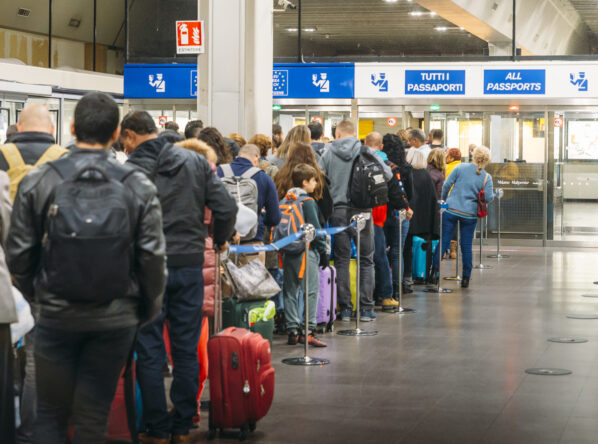
If you’re currently in any of the countries listed above, the most important thing is to register your presence with the FCDO at gov.uk so that you can receive direct updates. Do not attempt to move through areas of active conflict and follow the instructions of local authorities. Contact your airline for guidance on return flights, and be aware that the FCDO is working on contingency evacuation plans for British nationals in the Gulf should airspace remain closed for an extended period. If you need emergency consular assistance, the Foreign Office emergency line is available 24 hours a day on 020 7008 5000.
Checking the latest guidance

The situation is changing quickly, and advice that was current yesterday may have been updated today. Before making any decision about travel to the region, check the FCDO travel advice pages directly at gov.uk/foreign-travel-advice and check with your travel insurer, as policies may not be valid in countries currently subject to all-travel warnings.