Choosing between a petrol engine and an electric motor used to be a niche debate for early adopters, but it’s now a massive headache for anyone trying to keep their monthly outgoings under control.
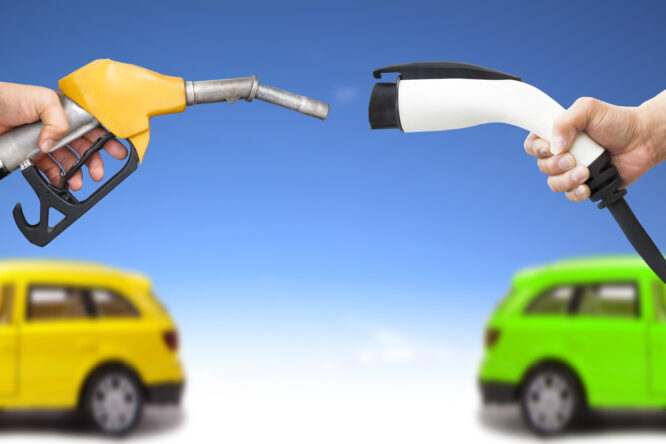
The sums have changed completely recently, and the idea that going electric is an automatic win for your bank balance is no longer a given. While you might still save a bit on your daily commute, those wins are often cancelled out by the steep price of public charging and the way insurance premiums have started to climb.
It’s a confusing landscape where the true cost of staying on the road depends less on the price of fuel and more on how you actually use the car every day. If you want to know which one is the smarter move for your wallet, you have to look past the marketing and get into the reality of what it actually costs to keep a vehicle on the drive.
Electric cars are much cheaper to run day to day.

The biggest difference comes down to energy costs. Charging an electric car at home can be extremely cheap compared to filling up with petrol. In real terms, some EVs can cost just a few pence per mile to run, while petrol cars can be several times higher depending on fuel prices and efficiency.
One test performed by Top Gear showed an electric car costing around £16 a month for typical mileage, compared to £122 for a petrol car doing the same distance. That gap alone is enough to change how people think about running costs.
Home charging is where the real savings happen.
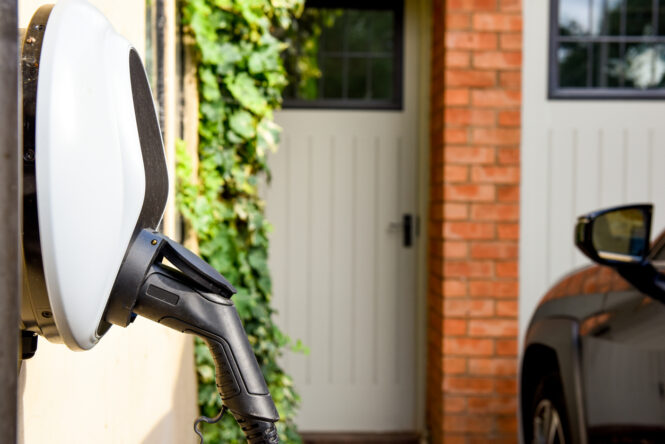
If you can charge your car at home, that’s where electric cars really pull ahead. Off-peak electricity rates can bring costs down even further, making EVs far cheaper to run over time than petrol or diesel cars. The difference can be huge because petrol prices stay high and unpredictable, while electricity, especially on the right tariff, tends to be more stable. That makes long-term costs easier to manage.
Public charging changes the picture.
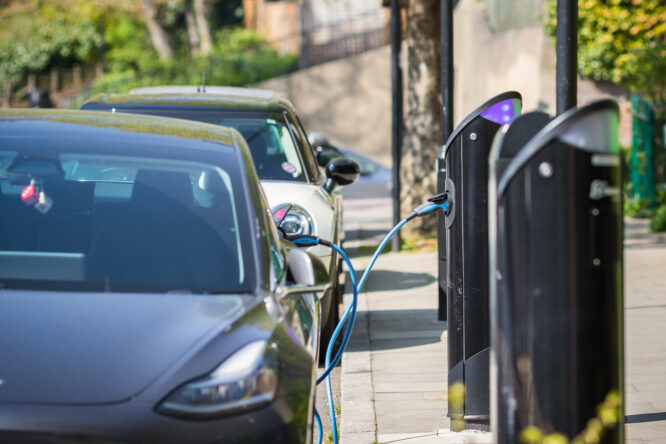
The cost advantage isn’t always as clear if you rely on public chargers. Rapid chargers, especially on motorways, can be considerably more expensive than charging at home. In some cases, this can eat into the savings, which is why where and how you charge your car matters just as much as the car itself.
Petrol cars are still cheaper to buy upfront.
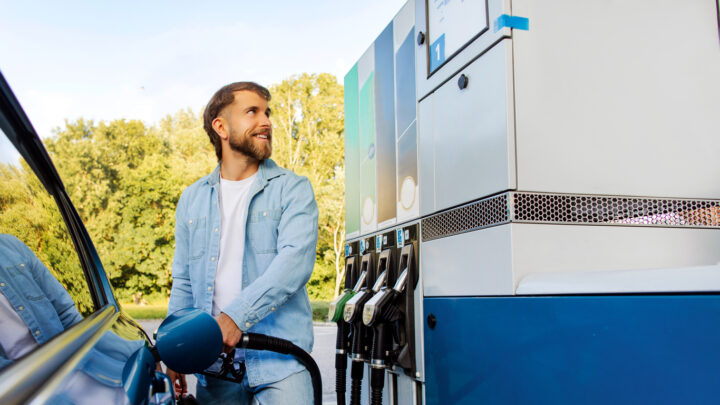
Even though running costs favour electric, petrol cars are often still cheaper to buy. That upfront price difference can be a big factor for many drivers, especially if they’re not planning to keep the car long enough to recover the savings. That said, the gap is getting smaller, and in some cases it’s already disappearing as EV prices drop and discounts increase.
Maintenance is usually lower with electric cars.
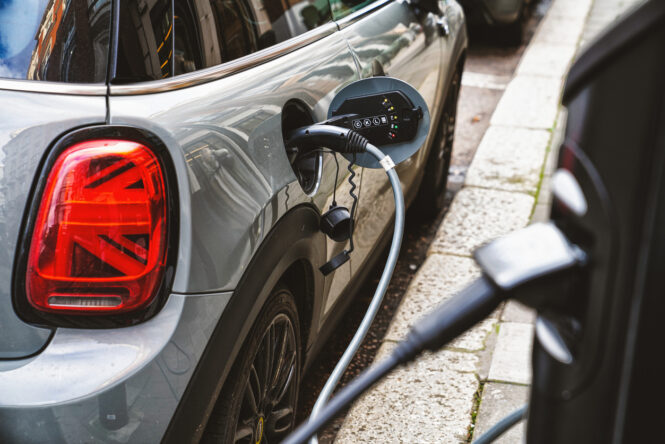
Electric cars have fewer moving parts, which means less can go wrong. There’s no oil, fewer fluids, and no exhaust system to maintain, which reduces servicing costs over time. Petrol cars, on the other hand, tend to need more regular maintenance, which adds to the overall cost of ownership beyond just fuel.
Fuel prices are still a major factor.
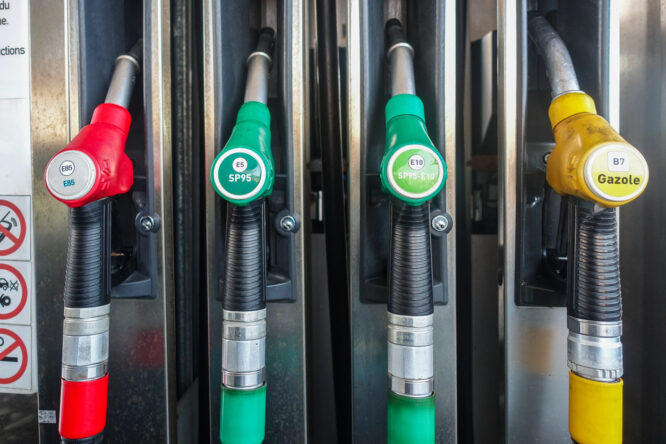
Petrol prices have been rising again in 2026, which makes running a petrol car more expensive than it was even a year ago. That’s pushing more drivers to consider electric alternatives. Because EVs don’t rely on fuel in the same way, they’re less affected by global price spikes, which adds a level of stability that petrol cars simply don’t have.
Electric cars can offset higher monthly payments.

Even if an electric car costs more to finance, the lower running costs can balance things out. In many cases, the savings on fuel alone are enough to cover the difference in monthly payments. That’s why more drivers are starting to look at total cost rather than just the price tag, because the cheaper option upfront isn’t always cheaper long term.
Driving habits make a big difference.

How much you drive and where you charge will change the outcome. High-mileage drivers benefit more from electric cars because they save more on fuel over time. Meanwhile, drivers who rely heavily on public charging or only drive short distances may not see the same level of savings.
The gap is widening, but not for everyone.

For many drivers, electric cars are now clearly cheaper to run overall. But that doesn’t mean they’re the right choice for everyone. People without access to home charging, or those who need long-distance flexibility without planning stops, may still find petrol cars more practical for now.
So, what’s the best choice to make if purchasing a new car?

The key takeaway is that electric cars are now cheaper to run in most everyday situations, especially if you can charge at home. The savings are no longer small, they’re major enough to change buying decisions. However, the choice still depends on your setup. Where you charge, how often you drive, and how long you keep the car all play a part. For some, petrol still makes sense. For many others, electric is now the cheaper option overall.