Moving around a lot during childhood can leave its mark in all kinds of ways—some obvious, some subtle.

Whether it was because of a parent’s job, family changes, or just a series of new starts, growing up in motion means you learned to adapt, rebuild, and read the room quickly. However, those experiences don’t just fade away—they have a huge effect on who you become. Here are the traits commonly found in people who had a childhood full of school changes and city swaps.
1. They adapt quickly to new situations.

When you’ve had to walk into unfamiliar classrooms, make new friends, and learn how things work all over again, adapting becomes second nature. These people don’t usually panic in new environments—they figure things out fast and blend in where needed.
Even as adults, they can switch gears with less hesitation than most. Starting a new job or moving to a new city might still be stressful, but it rarely throws them off for long. They’ve done it before—many times—and they know how to navigate change.
2. They’re good at reading social dynamics.

Switching schools or friend groups repeatedly trains you to notice things most people overlook. You learn to pay attention to who’s popular, who’s kind, who’s best avoided, and how people interact, all without anyone spelling it out for you. This observational skill often sticks for life. People who moved around as kids tend to be highly socially aware and good at reading the room. They’ve had to figure people out quickly, and that’s turned into a skill they can use anywhere.
3. They often feel like chameleons.

When your environment keeps changing, you learn to change parts of yourself to fit in. That doesn’t mean being fake—it’s more like adjusting your personality dial depending on where you are and who you’re with. As time goes on, this can feel like a strength and a struggle. On one hand, they’re flexible and relatable. On the other, they might not always know which version of themselves is the “real” one. The habit of adapting can blur the lines of identity a bit.
4. They carry a quiet sense of independence.

Frequent moves can leave kids feeling like they’re on their own to figure things out. Even with supportive families, there’s still a sense of “I have to navigate this myself.” That builds a certain kind of self-reliance early on. As adults, they often take responsibility quickly and don’t expect other people to hold their hand through challenges. They might not even realise how self-sufficient they are—it’s just always been the default.
5. They can struggle with long-term belonging.

If you grew up constantly being the new kid, it’s not always easy to feel like you fully belong anywhere. Even when they’ve settled down, people who moved a lot as kids can feel like they’re always half-in, half-out of whatever group they’re in. That rootlessness can show up in friendships, workplaces, and even relationships. They might take longer to feel at home, or keep one foot out the door—just in case they need to start over again.
6. They’re great at small talk and first impressions.

When you’ve introduced yourself to new people dozens of times before adulthood, you learn how to break the ice. People who moved a lot usually know how to make conversation, ask questions, and avoid awkward silences. They might not love surface-level chats, but they’ve mastered them out of necessity. They know what to say to get things going, which often makes them come across as confident and approachable, even when they don’t feel that way inside.
7. They tend to bond fast, but not always deeply.

If you’ve had to make friends quickly just to get through school without eating lunch alone, you learn how to build instant rapport. The downside? When you move again, those connections often disappear overnight. This can lead to a pattern of fast friendships that don’t always get the chance to deepen. As adults, they might keep people at arm’s length or struggle with consistency—not because they don’t care, but because they’re used to people coming and going.
8. They know how to spot red flags early.
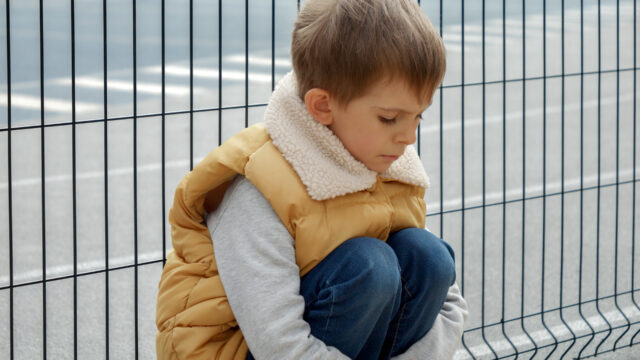
Being thrown into new social environments teaches you to spot warning signs quickly—who gossips, who bullies, who’s going to make your life harder. You learn not to wait around to get hurt. That awareness often carries into adult relationships. They’re not always trusting straight away, but they are perceptive. They don’t need five bad experiences before they realise something’s off—they pick it up quickly and protect themselves.
9. They often have a patchwork sense of identity.

When your environment keeps changing, your sense of self can feel like it’s been stitched together from different places, accents, customs, and versions of “normal.” That isn’t necessarily a bad thing—it just makes their identity feel less fixed. They often describe themselves as “from everywhere and nowhere.” Their perspective is wide, but their roots may feel scattered. It can lead to a strong sense of openness, and sometimes, a quiet feeling of being different.
10. They’re great at starting over.
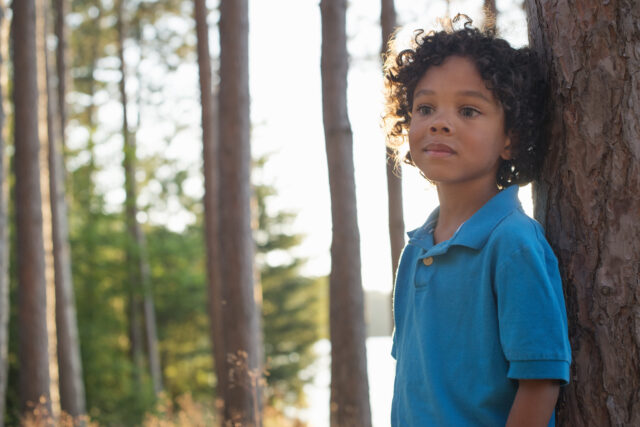
For people who moved a lot as kids, starting from scratch is familiar territory. New faces, new systems, new routines—it’s all part of their toolkit. They might still feel anxious about change, but they know they’ll figure it out. This makes them resilient in ways they might not even realise. When life forces a reset—be it a breakup, a job loss, or a big move—they have an inner script that says, “We’ve done this before. We’ll do it again.”
11. They carry a nostalgia most people don’t understand.

Because their past is spread across so many places and faces, their memories often come with a bittersweet tinge. They miss people they can’t find on Facebook, streets that probably don’t look the same anymore, and versions of themselves tied to a time and place long gone.
This kind of nostalgia isn’t about clinging to the past—it’s about knowing that parts of your story live in places you might never return to. It can make their emotional world a bit deeper, a bit more layered than average.
12. They’re incredibly observant.

Being the outsider, even temporarily, trains you to watch before you speak. People who switched schools often had to figure things out by observing—what jokes are safe here, who sits where, how teachers operate, which rules are unspoken. This habit of paying attention doesn’t usually fade. They carry it into meetings, dates, group settings—always clocking the undercurrents before diving in. It makes them excellent listeners, problem-solvers, and quietly strategic thinkers.
13. They tend to crave stability, sometimes without realising it.

After years of constantly moving ground, many of these people crave something solid. A friend who’s always there. A flat they don’t have to pack up. A job that feels permanent. Even if they’re adventurous on the surface, part of them wants to finally land somewhere. However, they might not always admit it out loud, especially if they’ve built an identity around being adaptable. That craving for roots can be subtle, but it often shows up in the choices they make as adults.
14. They’ve got layers most people won’t see straight away.

On the surface, they might seem light, funny, or easygoing. But underneath that is a history of leaving, arriving, adjusting, letting go. It creates depth—a quiet resilience that doesn’t always ask to be seen, but is there all the same. People who moved a lot as kids often have emotional layers that don’t show up until you’ve known them for a while. Once you get close, you’ll see it: the stories, the survival, the softness beneath the self-sufficiency.