Spending time alone isn’t a bad thing—in fact, solitude can be healthy, restorative, and even necessary at times.

The problem is that when alone time becomes the default for too long, it starts to affect how people think, feel, and interact with the world. You might not even notice it happening at first, but here are 15 subtle (and not-so-subtle) behaviours that often show up when someone’s been isolated a little too long, whether by choice, circumstance, or habit.
1. Talking to themselves more than usual

It might start out as muttering reminders or narrating thoughts, but it can become full conversations. While self-talk isn’t always unhealthy, it’s often a sign that someone’s missing natural human interaction and is filling in the blanks themselves.
People who spend too much time alone often use self-dialogue as a stand-in for conversation. It can help them process thoughts, but it may also suggest their need for external connection is being redirected inward in ways that go unnoticed.
2. Becoming overly sensitive to noise or crowds

When you spend lots of time in quiet environments, even small doses of chaos can feel overwhelming. A trip to the shop or a busy café might feel like sensory overload, not just an inconvenience. It’s not that they suddenly hate people. It’s that their system isn’t used to constant input anymore. Crowds, chatter, and unpredictability feel jarring, which only reinforces the urge to retreat again.
3. Struggling to hold small talk or casual conversation

Once someone’s been in their own bubble for a while, even basic conversations can feel awkward or exhausting. They might forget how to make polite chit-chat, or second-guess themselves during simple exchanges. Their social skills aren’t disappearing, but those muscles have been going unused for too long. The rhythm of back-and-forth conversation becomes unfamiliar, and that unfamiliarity can turn into anxiety.
4. Creating strict routines they rarely break

People who spend lots of time alone often fall into highly structured habits. There’s no one around to shake things up or introduce spontaneity, so routines become rigid and sometimes a bit obsessive. While structure can feel safe, too much of it can lead to inflexibility. Changes in plans, especially if they involve other people, can suddenly feel disruptive instead of refreshing.
5. Becoming emotionally flat or unreactive
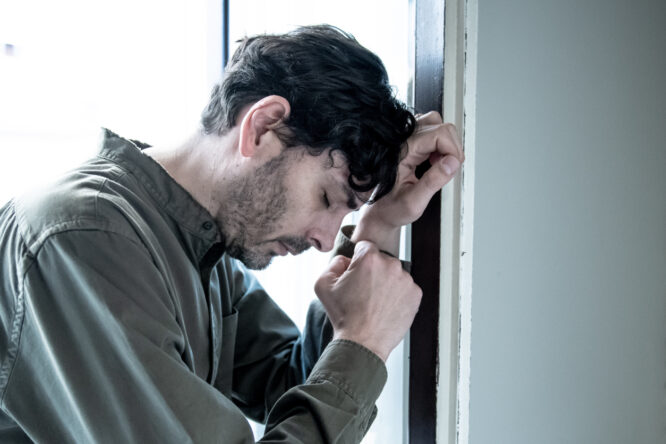
Without regular human interaction, emotional responses can become dull or muted. Joy, frustration, laughter—they all get quieter when there’s no one else to bounce off or respond to those feelings. Eventually, people might stop expressing their emotions altogether, not because they don’t feel them, but because there’s no one there to receive them. That silence can start to feel normal.
6. Becoming hyper-focused on niche interests

Spending lots of time alone often gives people space to dive deep into their hobbies or interests, and sometimes, very deep. They may get absorbed in specific topics that start to dominate most of their time and thoughts. There’s nothing wrong with having passions, but when there’s little social feedback or balance, those interests can become all-consuming. It might be a comfort, but it can also become a bubble that isolates even more.
7. Showing signs of social anxiety even with close friends

Even if someone was once confident in social settings, too much solitude can make every social interaction feel like a performance. They might overthink what to say, how they’re being perceived, or whether they’re being too much or too quiet. This can lead to avoidance, even of the people they love most, because the anxiety around socialising outweighs the benefits. It’s not rejection; it’s nervousness wrapped in self-doubt.
8. Becoming oddly protective of their space and time

When you’ve been alone for a while, your routines and personal space can feel sacred. Even minor disruptions like an unexpected visit or someone borrowing your stuff can feel like a major invasion. This behaviour doesn’t necessarily come from selfishness. It’s often a way of maintaining control in a life that’s become entirely self-contained. Still, it can unintentionally push people further away.
9. Feeling exhausted after short bursts of socialising

Social energy is like a muscle, and when it goes unused, it loses stamina. People who’ve been isolated might find even a quick catch-up tiring, not because they’re antisocial, but because it takes more out of them than it used to. That exhaustion often leads to retreating again, which starts a cycle of avoiding social plans, not out of disinterest, but out of emotional fatigue that comes from underused connection skills.
10. Becoming detached from how they come across to other people
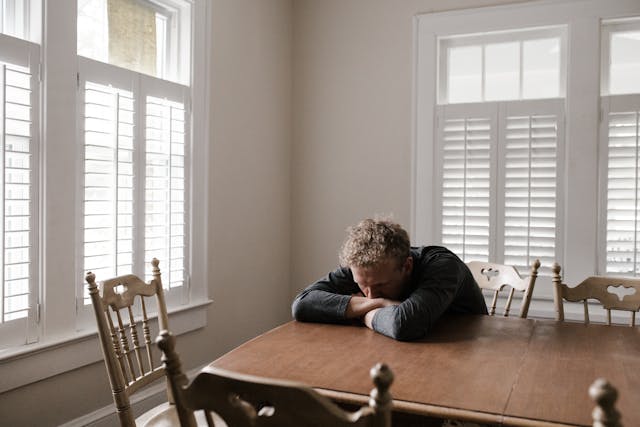
Without regular social contact, people sometimes stop noticing things like personal grooming, clothing, or how they speak. Rather than being lazy, they’re clearly losing touch with external awareness. When no one’s around to reflect you back to yourself, self-presentation often falls down the priority list. And while there’s freedom in not caring what other people think, total detachment can sometimes hint at loneliness or disconnection.
11. Talking a lot once they finally have someone to speak to

This might sound contradictory, but it’s common. After days or weeks of solitude, people sometimes release a flood of words when someone finally listens. They might overshare, dominate the conversation, or jump between topics quickly. It’s not rudeness, it’s release. The dam breaks open because it’s been building quietly in the background. They’re not trying to overwhelm you—they’re just starved for connection.
12. Feeling like an outsider even when included

Spending too much time alone can skew your perception of belonging. Even when people do invite you in, you might feel like you’re on the outside looking in, like everyone else is fluent in a language you forgot how to speak. This feeling can make people withdraw even more because the more isolated you feel, the harder it is to believe you’re wanted. Often, the people around them have no idea that’s how they feel at all.
13. Having long conversations online but avoiding in-person connection

Online spaces can feel safer—more controlled, less physically vulnerable. Someone who’s spent a long time alone might keep their social energy alive digitally while keeping real-life connection at arm’s length. This can be a form of self-protection. Digital spaces offer connection without overstimulation or awkwardness, but they also limit the kind of growth that comes from being face-to-face. As time goes on, it can deepen isolation without the person even noticing.
14. Creating overactive inner worlds to escape loneliness

People who are alone for extended periods often turn inward to cope. They daydream more, get lost in fantasy, or create imaginary scenarios and conversations to feel connected to something, even if it’s only in their mind. Intense imagination is powerful, but when it starts replacing real-life interaction, it can also be a sign of deep emotional hunger. These inner worlds become a cushion against loneliness, but not always a cure.
15. Forgetting how to ask for help
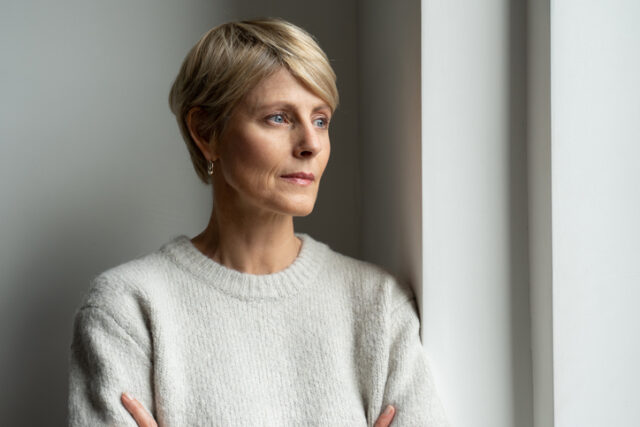
Eventually, solitude creates a self-sufficiency that feels safer than vulnerability. Even when someone’s struggling, they might not reach out, not because they don’t need support, but because they’ve forgotten how to ask for it or trust anyone to respond. The silence often hides in plain sight. The more they convince themselves they “should be fine alone,” the harder it becomes to say, “I’m not.” And by then, asking for help feels like a foreign language they’re too tired to relearn.