The amount of tax people pay on their savings each year is genuinely eye-watering, and a lot of it is completely avoidable.
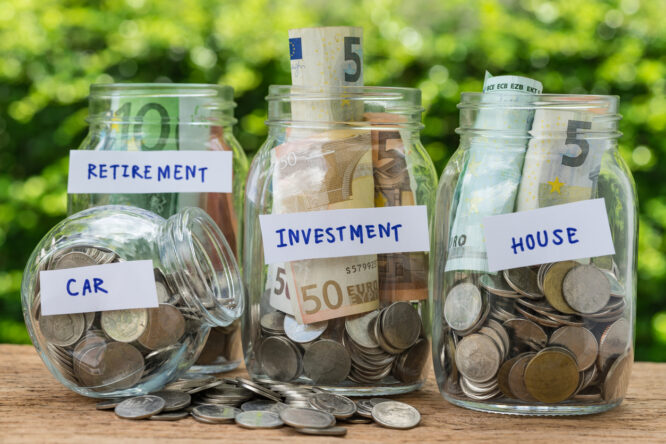
With interest rates higher than they’ve been in years, more savers than ever are being tipped into paying tax on their interest without even realising. The good news is that there are several straightforward, legal ways to keep more of your money to yourself. Here’s how to make the system work in your favour.
How savings actually get taxed in the UK

Most people assume the money sitting in their savings account is theirs to keep, but it’s the interest you earn on it that the taxman is interested in. Interest is treated as part of your taxable income, which is why higher earners often end up paying tax on theirs without realising it. Basic-rate taxpayers pay 20% on any interest above their allowances, while higher-rate taxpayers pay 40% and additional-rate taxpayers pay 45%.
Banks now report your interest directly to HMRC, so there’s no hiding it anymore. If you go over your allowance, HMRC usually adjusts your tax code and collects what’s owed automatically. The trick to keeping more of your money isn’t about dodging tax, it’s about making proper use of the perfectly legal allowances designed exactly for this purpose.
The personal savings allowance everyone should know

The biggest single tool for most savers is the personal savings allowance, often shortened to the PSA. This lets basic-rate taxpayers earn £1,000 in savings interest each year tax-free. Higher-rate taxpayers get a smaller allowance of £500, and additional-rate taxpayers, the very top earners, don’t get one at all.
At current interest rates of around 4 to 5%, you could realistically have around £20,000 in a savings account as a basic-rate taxpayer before you’d start owing tax. A higher-rate taxpayer would hit the same point at around £10,000. So if you’ve got more than that earning interest, you’re potentially handing money to HMRC that you didn’t need to.
Use your annual ISA allowance

The single most powerful weapon in any UK saver’s toolkit is the cash ISA. You can put up to £20,000 into one every tax year, and every penny of interest you earn inside it’s completely tax-free, no matter how much you have or what tax bracket you’re in. The interest sits outside the personal savings allowance entirely, which means it doesn’t eat into that £1,000 or £500 limit.
ISAs come in cash and stocks and shares varieties, and for shorter-term savings most people stick with the cash version. ISAs are individual accounts, so you can’t open one jointly, but couples can hold one each. Between you, that’s up to £40,000 a year sheltered from tax, which adds up quickly over time.
Don’t forget the starting rate for savings

There’s another rule that catches a lot of people by surprise. If your non-savings income, which usually means your wages or pension, is below the personal allowance of £12,570, you may be able to earn up to an extra £5,000 in savings interest completely tax-free on top of your normal allowances. This is known as the starting rate for savings.
The catch is that this allowance tapers off as your other income rises. For every £1 of non-savings income you earn above £12,570, you lose £1 of your starting rate. Once your non-savings income reaches £17,570, the starting rate has fully disappeared. For retirees living mainly off a small pension, people working part-time, or those between jobs, it’s a properly useful allowance to know about.
Top up your pension to lower your tax band

Paying more into your pension is another properly clever way to reduce the tax you pay on your savings. Pension contributions come off your taxable income, which means a higher-rate taxpayer who puts a chunk into their pension can drop themselves back into the basic-rate band. That doubles their personal savings allowance from £500 to £1,000 in the process.
You also get tax relief on the pension contribution itself, so the money you put in gets a top-up from the government. Basic-rate relief is usually added automatically, but higher-rate and additional-rate taxpayers often need to claim the extra relief through self-assessment, which plenty of people forget to do. For anyone close to a tax band threshold, sorting your pension out can save real money on multiple fronts.
Use the marriage allowance if you can

If you’re married or in a civil partnership and one of you earns less than the personal allowance of £12,570, you might be able to transfer £1,260 of that unused allowance to your higher-earning partner. This is known as the marriage allowance, and it can save a couple up to £252 a year.
It also has a useful knock-on effect for savings. By moving some of your taxable income onto the partner who has more allowance to spare, you can sometimes keep them in a lower tax bracket, which keeps their personal savings allowance higher too. It’s a quick win, and it’s been seriously underclaimed for years.
Move joint savings into the lower earner’s name

Couples have another advantage that often gets missed. If one partner is in a lower tax band than the other, holding savings either jointly or solely in the lower earner’s name means more of the interest sits within their bigger personal savings allowance, and any tax due is charged at the lower rate.
This is one of those small admin jobs that can make a real difference over time. Moving cash into the right name takes ten minutes online but can save hundreds of pounds a year in tax. Just remember that whoever’s name the savings are in legally owns the money, so it only works in partnerships built on solid trust.
Premium Bonds and other tax-free options

Premium Bonds, run by the government-backed NS&I, are another genuinely tax-free option. Any prizes you win are completely free from income tax and capital gains tax. You can put up to £50,000 into them, and although there’s no guaranteed return, the prizes themselves often work out roughly comparable to a savings account’s interest rate.
It’s worth remembering that NS&I also offers some specific tax-free savings products from time to time, so it’s always worth checking what’s on offer. None of these will replace an ISA as your main tax-efficient home, but they’re useful for anyone who’s already filled their ISA allowance and wants to shelter more cash from tax.
Reclaiming tax you’ve already paid

If you’ve been paying tax on your savings interest in the past without realising you didn’t need to, you can claim it back. The form to do this is called the R40, and it’s available on the government website. You can claim back up to four tax years’ worth of overpaid tax, which can add up to a meaningful refund.
This is particularly worth checking if you’ve recently retired, become self-employed, taken a career break, or had a change in income that’s pushed you into a lower tax band. Plenty of people are owed money by HMRC and have no idea, simply because they assumed all savings tax was set in stone once it had been paid.
Putting the strategies together
Smart tax planning isn’t about being sneaky, it’s about using the rules the government has deliberately put in place. Start by filling your ISA each tax year, claim any allowances you’re entitled to, and think carefully about whose name your savings are in. Top up your pension where you can, look into Premium Bonds if you’ve got more spare cash than ISAs can hold, and don’t be afraid to claim back tax if you’ve overpaid.
A few simple decisions made over the course of a year can save the average household hundreds of pounds, and over a decade the difference can run into the thousands. The taxman is only entitled to what you actually owe, and there’s no prize for paying more than that. Tax rules and rates can change at any time, so it’s always worth double-checking the latest figures on gov.uk before making big financial decisions, and speaking to a qualified adviser if you’re dealing with large sums.