Every parent wants their kid to feel like they can come to them with anything, but it’s not always obvious if that’s actually happening.

Kids won’t usually come right out and say, “I feel safe talking to you,” so you have to look for signs in how they act. While it can be tough for them to share what’s going on in their head and heart, here are some ways to tell if your child truly feels comfortable opening up to you.
1. They share little things without being asked.

If your child tells you about small stuff that happened in their day, it’s a good sign they feel safe coming to you. They’re not just saving the big conversations for when something’s wrong. It seems like they want to include you in the everyday details, too. Casual sharing like this builds the habit of talking to you, so when the bigger issues come up, it feels natural to bring them your way.
2. They don’t seem scared of your reaction.

If they tell you about a mistake or a problem without looking terrified, it means they trust you won’t blow up at them. That doesn’t mean you never set boundaries, just that they know you’ll handle it calmly. When kids feel like they can be honest without facing an explosion, they’re much more likely to keep you in the loop rather than hide things.
3. They come to you first when something’s wrong.

If you’re the first person they think to talk to after something bad happens, that’s a big sign of trust. It means they see you as a safe place to get advice or comfort. This shows that your relationship has become their default support system, not just an authority figure they have to report to. They actually respect your opinion and know they can rely on you for help and support.
4. They ask for your opinion.

When your child asks what you think before making a choice, it’s a sign they value your perspective. They’re not just looking for permission; they actually want your input. This means they see you as someone who can guide them without taking over, which makes it easier for them to come to you with bigger questions later on.
5. They don’t hide their emotions around you.

If your child can cry, get frustrated, or show excitement without feeling embarrassed, it means they know you accept them as they are. They don’t feel the need to put on a front. That emotional honesty creates space for real conversations because they’re not wasting energy trying to act “fine” when they’re not.
6. They bring you awkward or embarrassing topics.

Talking about crushes, friendships, or personal issues isn’t easy for kids, but if they do it with you, it means they trust your response. They believe you’ll handle it without making them feel judged or awkward. This is one of the clearest signs you’ve built a safe, open space for them: those conversations don’t happen if they feel like you’ll make it weird or shut them down.
7. They keep you updated without being reminded.

If they let you know where they are, what they’re doing, or who they’re with without you chasing them for details, it shows they see you as part of their world, not just someone checking up on them. It’s not about controlling them; it’s about mutual respect. They share because they want you in the loop, not because they’re afraid of what happens if they don’t.
8. They open up after a bad day.

When they’ve had a rough day at school or with friends, and they choose to talk it through with you, it means they see you as someone who can help them feel better. They’re looking for support, not just solutions. It’s a sign they trust you to listen first and problem-solve second, which makes them more likely to keep talking to you in the future.
9. They laugh and joke with you.
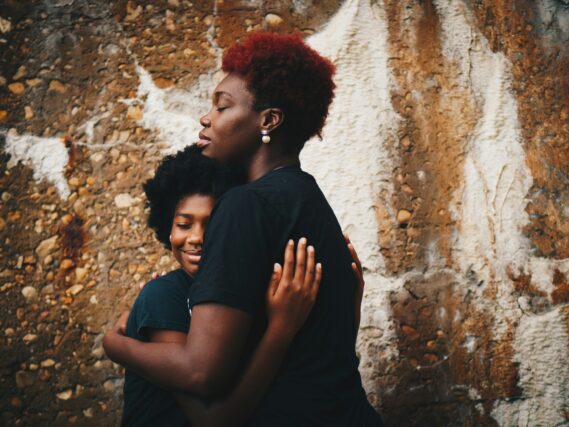
Playfulness is a kind of trust. If your child feels safe enough to joke around and be silly, it means they’re comfortable in your presence. They don’t feel like they have to be guarded all the time. That easygoing connection makes it way easier for serious talks to happen naturally when needed.
10. They tell you when they disagree.

If your child can say “I don’t agree” without fear of a blow-up, it means they trust your relationship can handle differences. They’re not worried that being honest will damage the bond. This shows they see you as someone they can be real with, even if it means having a different opinion.
11. They don’t avoid you after trouble.

Kids who feel unsafe with their parents tend to hide after they’ve done something wrong. If yours still hangs around, talks to you, or admits what happened, it’s a sign they believe the relationship can survive tough moments. It means they trust that even when you’re upset, your care for them doesn’t disappear.
12. They share their wins with you.

When something good happens, who they tell first says a lot. If your child runs to share good news with you, it means you’re a source of joy in their life, not just someone they turn to when things go bad. The balance of sharing both highs and lows is a strong indicator that they feel emotionally safe with you.
13. They don’t fake being fine.

If they can admit “I’m not okay” without trying to cover it up, that’s a huge sign of trust. It means they believe you’ll take their feelings seriously rather than brushing them off. That honesty is the foundation for deeper conversations, and it shows they see you as someone who can handle their truth.