With so many people now watching programmes on streaming services, plenty of households no longer watch live television at all.

If that sounds like you, you may not need a TV licence, and you could even get some money back. Refunds of up to £180 are available for people who cancel their licence before it runs out. Here’s who can claim, how refunds work, and when you do and don’t need a licence. It might seem complicated, especially for something that should be simple, but understanding the process should clear things up.
Who can claim a refund
If you have a valid TV licence but no longer watch live TV or use BBC iPlayer, you can cancel it and apply for a refund. This might apply if you’ve switched to watching only on-demand programmes, moved in with someone who already has a licence or moved abroad.
Refunds are worked out based on the number of full months left on your licence that you won’t need. You must have at least one complete month left to qualify, so you could get back between one and 11 months’ worth of payments.
How refunds are paid

Once your application is approved, TV Licensing aims to pay your refund within 21 days. The money is sent either by cheque or straight into your bank account. You won’t be able to get a refund if there’s less than a month between the date you cancel and the date your licence would have run out. To apply, visit the official TV Licensing website, where you’ll be asked to confirm that you no longer need a licence.
When you need a licence
You need a TV licence to watch or record programmes as they’re being shown live on any channel, whether through Freeview, Sky, Virgin Media or another provider. This applies whatever device you use, including a TV, laptop, tablet, or phone.
You also need a licence to watch live programmes on streaming services and websites, such as live sport or events on platforms like YouTube or Amazon Prime Video. Anyone who uses BBC iPlayer needs a licence too, whether they’re watching live, catching up on programmes or streaming box sets.
When you don’t need one

You don’t need a TV licence if you only watch on-demand programmes on streaming services other than BBC iPlayer, as long as they’re not being shown live. This includes catching up on shows or watching films on services such as Netflix and Disney Plus.
Watching DVDs or on-demand video clips online doesn’t need a licence either, as long as you’re not watching anything live. Watching live TV without a licence, however, could lead to a fine of up to £1,000, so check the rules carefully before cancelling.
Free licences for over-75s
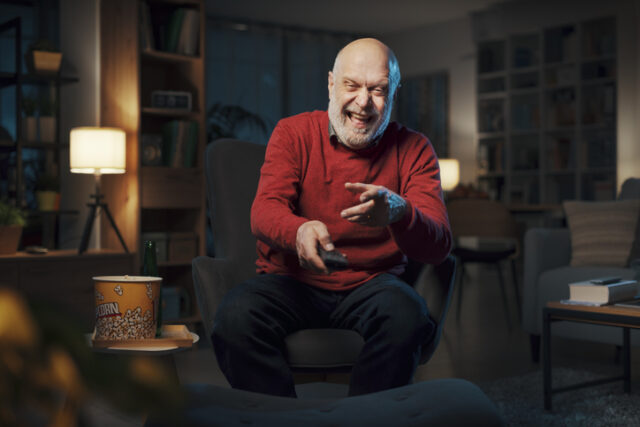
Some older people can get a free TV licence. To qualify, you must be aged 75 or over and either you or your partner living at the same address must receive Pension Credit. You can apply online or call 0300 790 6117 between 8.30 a.m. and 6.30 p.m. on weekdays to ask for a paper form. If you already pay by Direct Debit, you don’t need to cancel it yourself, as TV Licensing will stop the payments and refund any money you’re owed.
Check if you could get Pension Credit.
 Source: Unsplash
Many older people who are entitled to Pension Credit don’t claim it, which means they could be missing out on a free TV licence as well as extra money. Pension Credit tops up your weekly income if you’re over State Pension age and on a low income.
You can check whether you’re eligible using the Pension Credit calculator on the GOV.UK website or by calling the Pension Credit claim line. Getting Pension Credit can also open the door to other help, such as support with heating costs and council tax.
Watch out for scams.

Fraudsters often send fake emails and text messages pretending to be from TV Licensing, claiming you’re owed a refund or that your payment has failed. These messages usually ask you to click a link and enter your bank details. Don’t click on links in unexpected messages, and if you’re unsure, go directly to the official TV Licensing website instead. You can forward suspicious texts to 7726 and suspicious emails to report@phishing.gov.uk.