The conflict in Iran isn’t just a distant news story, even if it feels hard to fathom as part of your everyday reality.
It’s already starting to affect everyday life in the UK, from what you pay at the petrol station to what your mortgage might cost by the end of the year. Economists are warning that the full impact hasn’t come close to landing yet, and the range of things it could touch is wider than most people realise.
Why Iran matters so much to the global economy

The Middle East sits at the centre of global energy supply, and Iran and its neighbours control some of the most critical shipping routes in the world. When stability in that region breaks down, the effects don’t stay local. They travel through oil markets, gas prices, shipping lanes, and food supply chains until they show up in the everyday costs that households actually feel.
This isn’t a new dynamic. The same thing happened when Russia invaded Ukraine in 2022, and the economic fallout reshaped household budgets across the UK for the better part of two years. The Iran situation is different in its specifics, but the underlying mechanism is the same. A major disruption to energy supply and trade routes creates price shocks that spread outward in ways that are difficult to contain and slow to reverse.
Petrol and diesel prices are already climbing.
Fuel prices started moving almost immediately after the conflict began. In the UK, petrol was averaging 132.14p per litre and diesel 142.15p by early this week, with both having already crept up by 3p and 5p respectively in just a few days. The US saw even sharper movement, with petrol up around 23 cents per gallon and diesel up 41 cents in the same short period.
The reason is fairly straightforward. Production and transport of oil across the region has slowed in a big way, and when supply tightens, prices follow. These rises are still well below what happened after Russia invaded Ukraine in 2022, when UK petrol jumped more than 43p per litre over a few months. But we’re only days into this, and the numbers have already moved meaningfully. For people who drive regularly or businesses that depend on fuel, even a gradual sustained rise adds up quickly.
Higher fuel costs feed into everything else.
It’s easy to think of petrol prices as a standalone issue, but fuel costs run through almost every part of the economy. Delivery costs go up, logistics get more expensive, and businesses that rely on transport start to feel it in their margins fairly quickly. Those costs don’t tend to stay with the businesses absorbing them for long before they get passed on.
Manufacturing, retail, food distribution, construction: they all have fuel built into their operating costs at various points in the chain. A sustained rise in diesel prices in particular tends to have an outsized effect because it’s the fuel that moves goods around the country. Consumers often don’t see it immediately, but they feel it eventually, usually several months down the line, when prices across a range of products quietly tick upward.
UK gas prices have shot up fast.
This is the one that’s moved the quickest and most dramatically. The benchmark UK gas price nearly doubled in less than a week, briefly pushing above 165p per therm before pulling back to close around 127p. It last traded at that level roughly a year into the Ukraine war, which means it’s moved into genuinely elevated territory in a very short space of time.
The 2022 comparison is worth keeping in mind. Gas peaked at over 600p per therm during the Ukraine crisis, a level so extreme that the government handed millions of households £400 off their energy bills to help them cope. We’re nowhere near that yet, and it’s important not to catastrophise. But the speed at which prices moved this week shows how quickly things can change, and whether this stabilises or keeps climbing is something nobody can predict with confidence right now.
Energy bills could rise again later this year.

The good news for households right now is that the energy price cap shields consumers from the immediate impact of wholesale price swings. Bills won’t change overnight, and the cap stays at its current level until July, so there’s a buffer in place for now. However, the cap gets adjusted based on what’s happening in the energy market, and if wholesale gas prices stay elevated through spring, the regulator will have little choice but to reflect that in the cap from summer onwards.
Households that had been hoping for lower bills this year may want to revisit that assumption. The trajectory had been genuinely positive before this conflict began, with real optimism that energy costs would keep easing through 2026. That picture now looks considerably more fragile. Anyone on a variable energy tariff in particular will want to keep a close eye on how gas prices move over the coming weeks.
The Strait of Hormuz has nearly ground to a halt.

The Strait of Hormuz is one of the most strategically important waterways on the planet, carrying a huge proportion of the world’s oil, gas, and cargo. Iran has effectively threatened to shut it down, and the immediate response has been dramatic. Around 200 tankers are currently stranded, traffic has nearly stopped, and insurance premiums on ships considered American, British, or Israeli have risen sharply because of the perceived risk of attack.
The daily cost of hiring a supertanker to move oil from the Middle East to China hit a record high this week at over $400,000, almost double what it cost just seven days earlier. Logistics experts have warned that rising fuel costs mean carriers are likely to start raising rates globally, not just in the affected region. The Strait of Hormuz isn’t just an energy route. It’s a trade artery, and blocking it has consequences that extend well beyond oil.
Shipping disruption will hit consumer prices down the line.
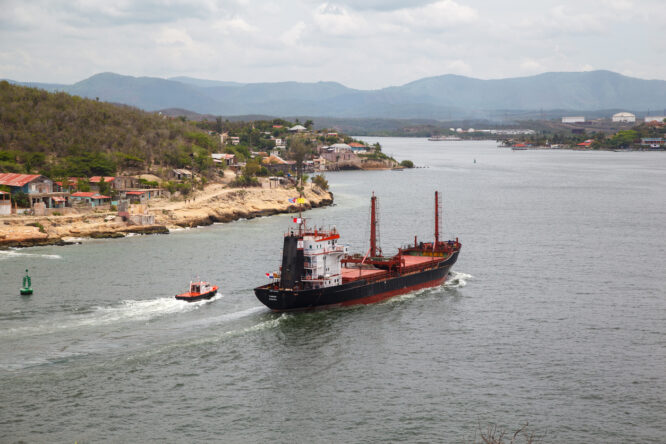
Because the vast majority of traded goods travel by sea, rising shipping costs eventually feed into the price of almost everything, from electronics and clothing to food and household products. The IMF has described shipping costs as an important driver of inflation, and their analysis suggests the impact on import prices tends to build within a few months, while the effect on what consumers pay at the till peaks around 12 months after shipping rates first rise.
That means the real consumer impact from this week’s shipping chaos is still some way off, but it is coming, and it will be broad. The last time shipping costs surged so considerably, during the pandemic supply chain crisis, the effects on retail prices were widespread and stubborn. History suggests this kind of disruption doesn’t resolve quickly, and the longer the Strait of Hormuz stays effectively closed, the more pressure builds up behind it.
Fertiliser prices have jumped by a fifth in a week.

This one tends to get overlooked, but it could matter a lot for food prices down the line. The Middle East is a main source of key ingredients used in fertiliser production, and the Strait of Hormuz is the main route through which much of it reaches the rest of the world. QatarEnergy, one of the world’s biggest exporters of natural gas used to produce fertiliser, has halted operations following attacks on its facilities.
The US futures price of urea, a core component of nitrogen fertiliser, rose 21% in a single week. Fertiliser is fundamental to food production, and when costs go up or supply becomes unreliable, that pressure works its way through the supply chain eventually. Experts are cautious about predicting exact timing, and retailers have buffers that absorb short-term shocks. But a sustained disruption to fertiliser supply and pricing has historically ended up on supermarket shelves, one way or another.
Your weekly food shop could get more expensive.

The UK imports a huge amount of what it eats, which means it’s particularly exposed when both the cost of transporting goods and the cost of producing them rise at the same time. That’s the situation taking shape right now, with shipping costs surging and fertiliser prices spiking simultaneously. Neither of those things tends to stay contained in the supply chain forever.
It won’t happen overnight. Food retailers typically have contracts and stock buffers that absorb short-term shocks, and suppliers don’t immediately pass on every cost increase. But a sustained period of elevated shipping costs and higher agricultural input prices has historically translated into grocery inflation, and it tends to creep in gradually. Consumers often don’t notice until they look back and realise their weekly shop costs noticeably more than it did six months ago.
Inflation may stop falling.
The UK had been on a genuine winning streak with inflation. It dropped to 3% in February, and the Bank of England had been cautiously suggesting it could reach its 2% target as soon as April. The US was at 2.4%, the Eurozone was improving steadily, and after a couple of brutal years it finally felt like the inflation story was wrapping up.
The Iran conflict has put a lot of that optimism in doubt. If fuel costs keep rising, energy bills climb again in the summer cap review, shipping adds to import prices, and food costs tick upward because of fertiliser disruption, inflation will start moving in the wrong direction again. Not necessarily back to the highs of 2022, but enough to matter and enough to change how central banks behave in the months ahead.
Interest rates may not fall as expected, and could even rise.

Central banks across the world had been building toward a cycle of rate cuts through 2026, and many homeowners had been holding out for better remortgage deals on the assumption that borrowing costs would keep falling. Analysts are already speculating that there may be fewer cuts than expected this year in the UK, and some are raising the possibility of a rise. That’s a big shift from where expectations were just a couple of weeks ago.
For anyone on a tracker mortgage, this would mean higher monthly payments almost immediately. For those coming to the end of a fixed-rate deal, the rates on offer could be worse than hoped. Anyone due to remortgage in the next six months might want to get some advice sooner rather than later because the window for locking in lower rates may be narrower than it appeared. Savers would benefit from higher rates, but for most households carrying a mortgage, that’s fairly cold comfort.
The full picture is still developing.
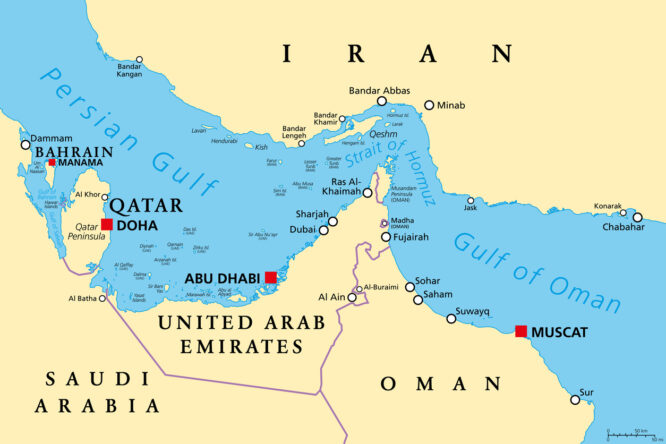
Even the IMF has said it’s too early to fully assess the economic fallout, and that’s not a hedge, it’s genuinely true. How serious the damage turns out to be will depend on how long the conflict lasts, whether the Strait of Hormuz reopens, how quickly energy markets adapt, and whether other major producers step in to fill the gap left by disrupted Middle Eastern supply.
What’s already clear is that none of this stays contained to the region where it starts. Energy, food, trade, and borrowing costs are all connected to what happens in major oil and gas producing areas, and those connections tend to make themselves felt faster than anyone expects. The energy price cap review in the coming months will be one of the clearest early signals of where things are heading for UK households, and if wholesale gas prices remain elevated, that review will tell you a great deal about what the rest of 2026 is going to cost.