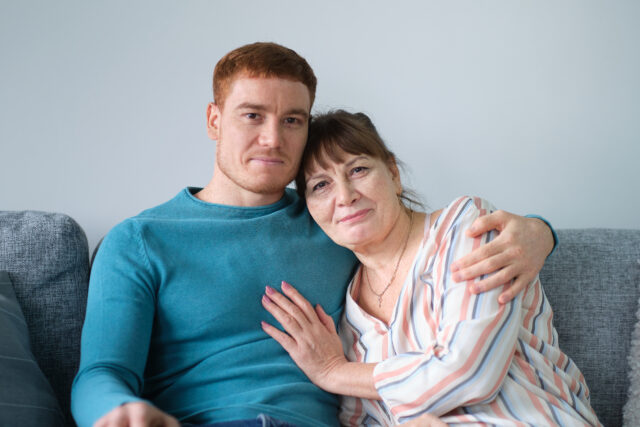
Second marriages have a reputation for failing even more than first ones, but that doesn’t mean they’re doomed. People who’ve been through divorce often bring valuable lessons and realistic expectations that can actually make their next relationship stronger. Here’s why it’s not such a bad thing to take a while to get it right.
1. You’re not trying to prove anything to anyone anymore.
The pressure to have the perfect fairy-tale marriage is usually gone by the second time around, which means you can focus on what actually works instead of what looks good to other people. You’ve already survived one marriage not working out. Such freedom from external expectations lets you build a relationship based on what you and your partner actually need, rather than trying to meet some idealised version of what marriage should look like.
2. You know what you absolutely won’t tolerate.
Going through a divorce teaches you exactly which behaviours and situations are deal-breakers for you, and you’re less likely to ignore red flags or make excuses for problems that you know will only get worse over time. Clarity about boundaries can prevent you from settling for someone who isn’t truly compatible just because you want to be in a relationship or because they seem “good enough” on paper.
3. You’re more realistic about what marriage actually involves.
The romantic illusions about marriage solving all your problems or completing you as a person usually die during the first marriage, which leaves you with more realistic expectations about what partnership can and can’t do. Taking a more practical approach means you’re less likely to be disappointed when your spouse turns out to be a regular human with flaws and limitations rather than the perfect person you imagined.
4. You’ve learned how to fight better.

If you paid attention during your first marriage, you probably learned which communication patterns destroy relationships and which ones actually help resolve conflicts without leaving everyone feeling attacked or misunderstood. Having that experience can help you navigate disagreements more skilfully, focusing on solving problems together rather than winning arguments or proving who’s right about everything.
5. You’re not trying to fix each other.
Most people enter second marriages with a clearer understanding that you can’t change another person and that trying to do so is exhausting and futile. You either accept who they are or you don’t get married. Total acceptance reduces the constant tension that comes from trying to mould someone into your ideal partner and lets you appreciate what they actually bring to the relationship.
6. You handle money conversations differently.
Financial fights destroy marriages, but people in second marriages often have more clarity about money because they’ve seen how financial stress and dishonesty can wreck relationships. They’re more likely to be upfront about debts, spending habits, and financial goals.
Having been through divorce also means understanding the financial reality of splitting up, which can motivate couples to work harder on money issues rather than avoiding tough conversations until they become explosive.
7. You don’t expect your spouse to be your everything.
Second marriages often work better because people have learned to maintain friendships, hobbies, and interests outside the relationship instead of expecting their spouse to meet every social and emotional need. That independence reduces pressure on the marriage and gives both people space to be individuals while still being committed partners, which creates a healthier dynamic overall.
8. You’re more intentional about choosing compatible partners.

Instead of marrying based on intense attraction or social pressure, people in successful second marriages often choose partners based on actual compatibility, shared values, and practical considerations like parenting styles and life goals. Being more thoughtful about choosing a partner can result in relationships that work better day-to-day, even if they don’t have the same passionate intensity that characterises many first marriages.
9. You deal with extended family drama more effectively.
Experience with in-laws and family dynamics from your first marriage usually teaches you how to set boundaries and manage expectations with extended family members who might have opinions about your choices. You’re also more likely to discuss family relationships upfront and establish clear agreements about holidays, visits, and involvement in major decisions rather than just hoping things will work out.
10. You’re better at maintaining your own identity.
People in second marriages are often older and more established in their careers and sense of self, which means they’re less likely to lose themselves in the relationship or give up everything to accommodate their partner’s needs. A stronger sense of identity creates a more balanced partnership where both people contribute from their strengths, rather than one person sacrificing everything for the other’s dreams and goals.
11. You handle stepfamily challenges with more patience.
Blending families is complicated, but people in second marriages often approach stepparenting with more realistic expectations and patience because they understand that building relationships takes time and can’t be forced. That patience can help navigate the inevitable challenges of stepfamily life without taking children’s resistance personally or expecting instant family bonding that rarely happens naturally.
12. You’re more committed to making it work.
Having been through divorce once, many people in second marriages are more motivated to put in the effort required to maintain a healthy relationship because they know how much divorce costs emotionally, financially, and practically. That commitment often translates into being more willing to attend counselling, work on communication skills, and address problems early rather than letting them fester until the relationship is beyond repair.
13. You don’t take your partner for granted as easily.

Understanding that relationships can end makes people more likely to appreciate what they have rather than assuming their partner will always be there, no matter how they’re treated. That sort of appreciation can lead to more gratitude, affection, and effort in the relationship because you understand that finding someone truly compatible isn’t guaranteed and shouldn’t be taken lightly.
14. You’re more selective about what’s worth arguing about.
Experience teaches you which battles are worth fighting and which disagreements are just differences in preference that don’t actually matter in the long run. You learn to let go of being right about everything. A bit of perspective helps reduce daily conflict and tension because you focus your energy on issues that actually affect your relationship rather than trying to control every aspect of how your partner lives their life.