Sunday lunch is supposed to bring everyone together around the table, but whoever came up with that idea never tried getting six British people to agree on what belongs on the plate.
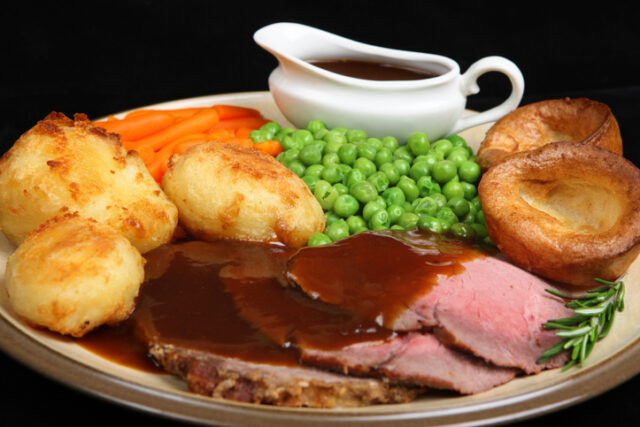
Arguing over the roast dinner has become almost as much of a beloved national tradition as polishing one off. Whether it’s fierce debates about Yorkshire puddings only belonging beside roast beef, passionate rows about cauliflower cheese, or the exact crispiness required of a roast potato, everyone’s got an unshakeable opinion they’re prepared to defend to the hilt.
Now, a new dose of culinary friction has arrived at the Sunday table, and the latest generation is taking the flak for rewriting the classic formula. From introducing air fryer hacks and plant-based showstoppers to swapping out heavy meat joints for international seasonings and lighter sides, younger cooks are reimagining the whole ritual to suit modern tastes and tighter budgets. Traditionalists might be throwing their hands up in despair, but looking at how the roast has evolved over generations, this latest kitchen shake-up might just be the thing that keeps the classic Sunday feast alive.
What Gen Z is adding to their roast
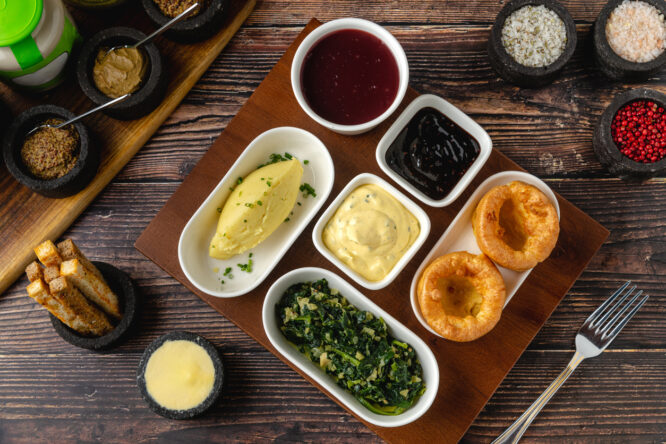
New research by ePOS and payments platform Lightspeed surveying 2,000 UK diners found that a significant chunk of Gen Z respondents are bringing some unexpected additions to the traditional Sunday plate. Nearly four in ten admitted to adding ketchup, while over a quarter reach for mayonnaise instead. Hot sauce, chilli oil and even hot honey all featured too, alongside a smaller but notable group introducing kimchi or avocado to the mix.
Perhaps most controversially, a chunk of respondents said they’d abandoned gravy entirely, a decision that would likely horrify traditionalists up and down the country. It paints a picture of a generation treating the roast dinner less as a fixed formula and more as a flexible base to build on however they like.
Where Britain draws the line
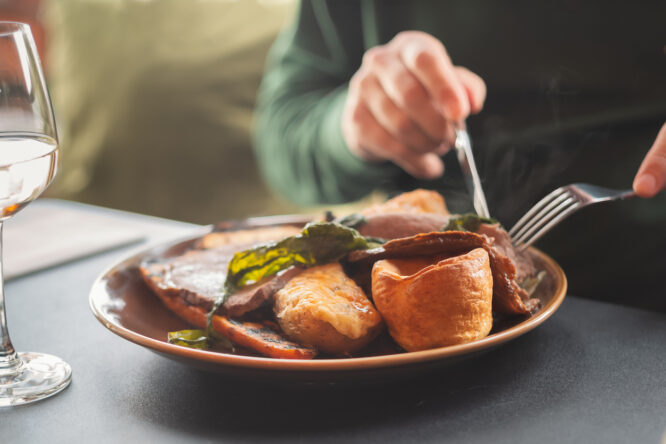
Despite all this experimentation, one element of the roast remains firmly untouchable. When asked which parts of a roast dinner should never change, roast potatoes came out clearly on top, ahead of the meat itself, gravy, and even Yorkshire puddings. It seems whatever else gets added or removed from the plate, the potatoes remain sacred ground.
That said, not everyone agrees potatoes should even be roasted in the traditional sense at all, with some people preferring alternatives like layered, garlicky potato bakes over the classic crispy roastie. It’s a reminder that even the supposedly untouchable parts of the meal aren’t quite as universally agreed upon as the survey results might suggest.
To be fair, Britain has never agreed on the rules.

Long before anyone could blame social media trends for shaking up tradition, Britain had already spent decades arguing over roast dinner etiquette. Ketchup, mayonnaise, mango chutney, sour cream, baked beans, avocado and even fried eggs have all made appearances on the roast dinner charge sheet at various points over the years.
Gen Z, in other words, didn’t invent roast dinner controversy, they simply inherited an argument that was already well underway long before most of them were even eating solid food. Nor has there ever really been a single, historically fixed version of the roast to defend in the first place, since the dish itself developed gradually over centuries rather than arriving fully formed.
The classic elements themselves have changed over time.
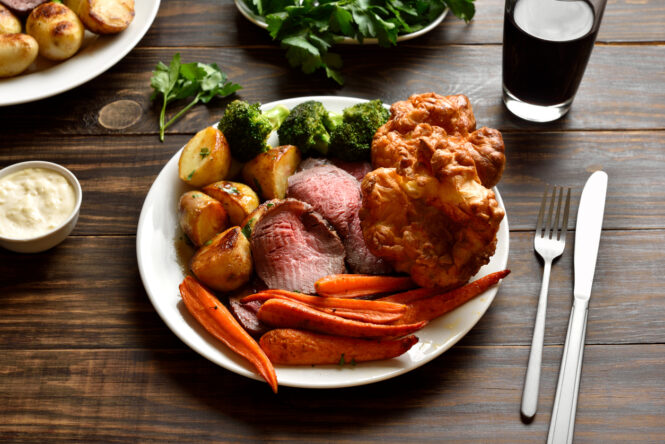
Even Yorkshire pudding, one of the most fiercely defended elements of the modern roast, wasn’t always served the way it is today. An early version of the dish appeared in print in the 1730s under a different name, cooked beneath roasting meat specifically to catch its dripping juices, and sometimes served entirely separately from the meal itself rather than alongside it.
Given how much the dish has already changed over the centuries, treating today’s version as some kind of untouchable, historically accurate standard doesn’t really hold up under closer scrutiny. What feels traditional today was often just as unconventional once, before enough time passed for it to earn that status.
Family heritage shapes what belongs on the plate.
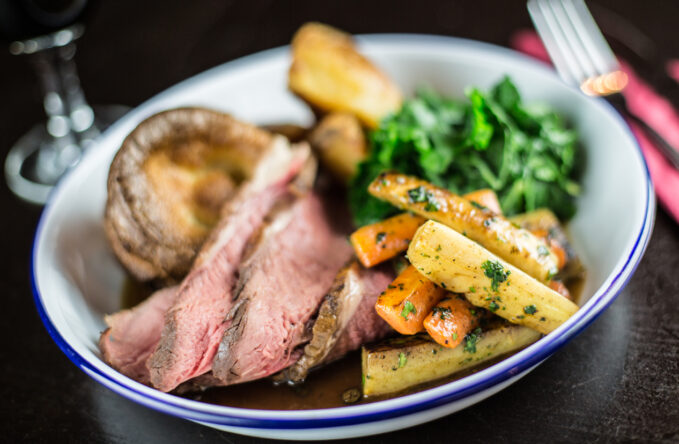
For plenty of people, what ends up on a Sunday roast has far more to do with family background than any strict national rulebook. Some households serve rice alongside their roast specifically because it soaks up gravy particularly well, a tradition passed down through family heritage rather than picked up from a viral video online.
It raises a fair question about why that kind of addition should be treated any differently to more widely accepted pairings like bread sauce with chicken or horseradish with beef. In reality, the main thing separating an accepted tradition from a controversial one often just comes down to how long a particular generation has been quietly doing it.
The UK’s changing population plays a role too.
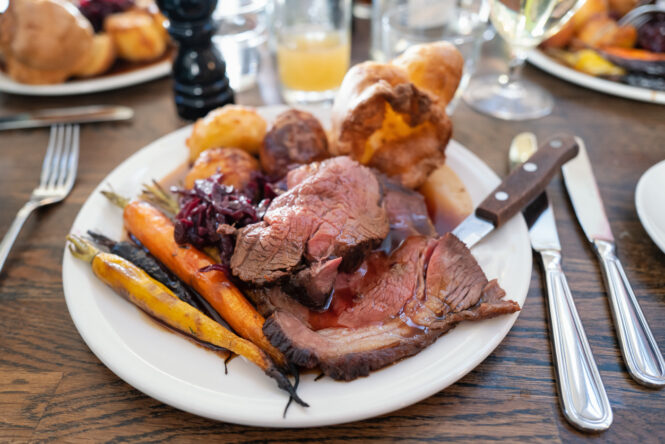
Britain itself looks considerably different today than it did when many of these unwritten roast dinner rules first became firmly established. The proportion of people in England and Wales born outside the UK nearly doubled between 2001 and 2021, and it would be strange if the roast dinner hadn’t absorbed at least some of the flavours now regularly found around British dinner tables as a result.
Restaurants have already leaned into this change themselves, with some Sunday menus now blending traditional roast elements like Yorkshire pudding and gravy alongside additions like rice and peas, mac and cheese, or a full Indian inspired curry thali served alongside the roast meat. Fusion, in other words, isn’t purely a case of a younger diner reaching for sriracha out of nowhere.
The generational story might be more practical than rebellious.
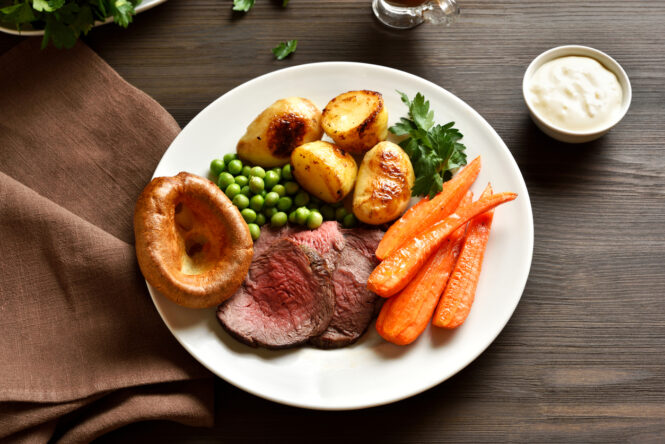
According to food industry experts involved in the research, younger diners have simply grown up surrounded by a far wider range of global flavours than previous generations, which means experimenting with a traditional dish doesn’t feel unusual or disrespectful to them in the same way it might to someone raised on a stricter version of Sunday lunch.
There’s also a practical element at play too, with some younger cooks opting for quicker, simplified roast dinners at home, saving the fuller, more traditional version for occasions like visiting a parent’s house instead. The roast someone makes for themselves midweek and the roast they expect at their mum’s table are allowed to be two different things entirely.
Even the so-called crimes often turn out to be inherited.
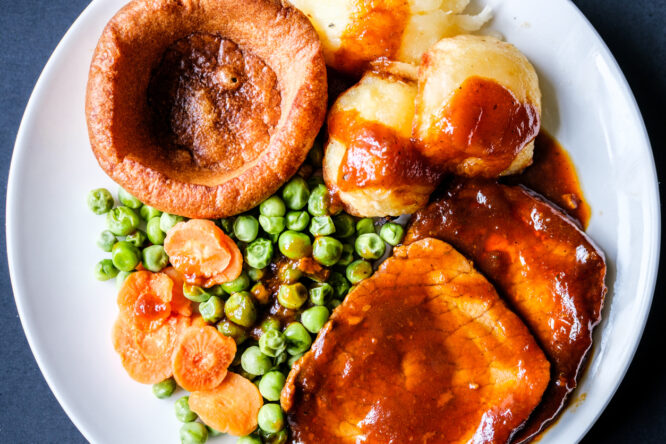
Interestingly, some of the additions most likely to be labelled a modern roast dinner crime trace back much further than social media at all. One diner in her thirties traced her lifelong mayonnaise habit directly back to her grandmother’s kitchen table, where condiments of every kind sat out at nearly every meal growing up, mayonnaise included.
That kind of inherited habit suggests a lot of what gets dismissed as a Gen Z quirk might simply be a tradition that skipped a generation or two before resurfacing again. Ultimately, what people are really defending when they argue about the roast isn’t a single correct recipe, but the specific version that matches what Sunday lunch is supposed to feel like to them personally.
Whether that means beef with horseradish, chicken with bread sauce, or rice quietly soaking up the gravy exactly the way a parent always served it, the one thing nearly everyone still seems to agree on is this: the roast potatoes stay exactly as they are.