It’s not often that HMRC gets in touch with good news, but for around 1.3 million pensioners across the UK, the latest round of correspondence is particularly unwelcome.
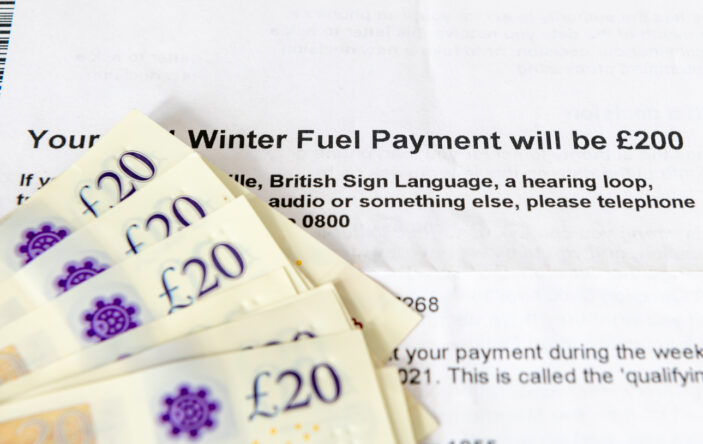
Over the next few weeks, letters, texts, and emails will be landing on doormats and in inboxes explaining that the taxman is coming to collect. The target? The Winter Fuel Payment. For years, this payment was one of the few universal benefits left in the UK. If you were over the state pension age, you got the cash—simple as that.
However, the rules have undergone a massive overhaul, and if you’re considered a higher earner, that “gift” from the government has effectively been reclassified as a debt. If your income sits above a certain threshold, HMRC is about to start clawing that money back through your tax code, and for some, it could mean paying back two years’ worth of support at the same time.
What exactly is the Winter Fuel Payment?
To understand why this is such a headache now, you have to look at what the payment was designed to do. Established in the late ’90s, the Winter Fuel Payment was a staple of the British welfare state. It was an annual, tax-free payment made to almost everyone born before a certain date (usually aligned with the female state pension age) to help with the biting costs of heating a home during the winter months.
The amounts weren’t life-changing, but they were significant—usually ranging between £100 and £300 depending on your age and whether you lived alone or with another eligible person. Because it wasn’t means-tested, it was paid out automatically. Whether you were struggling to keep the radiators on or you had a comfortable private pension, the money arrived in your bank account every November or December.
However, the political landscape moved. In July 2024, the government initially tried to restrict the payment only to those receiving Pension Credit. Following a significant public backlash, the rules were tweaked again for the 2025-26 period, creating the high-income recovery system we’re seeing now. Essentially, the government decided that if you’re earning a decent wage in retirement, you don’t need the help, but because the system is set up to pay out automatically, they now have to use the tax system to get it back after the fact.
So, who’s in the firing line?
HMRC isn’t going after every pensioner, but the net is wider than many realize. The magic number here is £35,000. If your individual annual income for the tax year is above this threshold, and you received a Winter Fuel Payment last winter, you’re going to have to return it.
The 1.3 million people being contacted are those who received a Winter Fuel Payment in the winter of 2025, those with an individual income exceeding £35,000, and those who don’t normally create a Self Assessment tax return.
If you usually handle your own taxes through Self Assessment, you won’t get a letter about a tax code change (more on that in a bit), but the money will still be recovered. For the majority of retirees who have their tax handled automatically through their state or private pensions, the tax code is the only tool HMRC has to get the cash back.
How the government will recoup the money

HMRC’s plan isn’t to ask you for a lump sum cheque. Instead, they’re going to adjust your tax code. Your tax code is essentially a set of instructions for your pension provider or employer; it tells them how much of your income is tax-free and how much they need to send to the government before the rest hits your account.
By adjusting your code, HMRC is effectively telling your pension provider to take a little bit extra every month until the debt is paid. If you received £200 last winter, you’ll likely see your monthly take-home pay drop by about £17. It’s a slow-motion repayment that lasts the whole tax year.
However, there’s also a sting in 2027-2028. This is where it gets messy. Because of the timing of these changes, HMRC might end up collecting the repayment for last winter at the same time they start recovering the payment for this upcoming winter. This could see your monthly deductions jump to around £33. For many pensioners on a fixed income, a £33-a-month drop in disposable cash isn’t exactly small change.
What if you file your own taxes?

If you’re self-employed in retirement or have complex income that requires a Self Assessment return, you’re in a slightly different boat. You won’t see a tax code change because you’re already telling HMRC what you owe at the end of the year.
When you sit down to do your 2025-26 tax return, the Winter Fuel Payment will be listed as a specific charge—the Winter Fuel Payment charge. If you’re filing online, the system should pull this through automatically, but it’s vital to check that it’s actually there. If it’s missing, and you know you received the payment while earning over £35,000, you’re technically supposed to add it yourself.
For those who still prefer the paper route, the deadline is 31 October 2026. You’ll need to calculate the amount and include it in your total. If you think HMRC has got it wrong—for example, if they think you earned over £35,000, but you actually didn’t—you’ll have to challenge the calculation through the usual HMRC channels, which, as anyone who has tried it knows, requires a fair bit of patience.
You can avoid the hassle in future by opting out entirely

If you’re sitting there thinking that receiving a payment in December only to pay it back in £17 increments over the following year sounds like a bureaucratic nightmare, you’re right. The good news is that you can stop the cycle for next year.
If you know for a fact that your income for the 2026-27 tax year is going to stay above that £35,000 mark, you can choose to opt out of receiving the payment this coming winter. By doing this, you aren’t “losing” money—you’re just stopping a debt from being created in the first place.
To pull the plug, you need to act before the autumn. If you want to do so online, there’s an opt-out form on GOV.UK that needs to be done by 11:59 p.m. on 20 September 2026. If you prefer the phone, you can call the Winter Fuel Payment helpline on 0800 731 0160 before 6pm on 18 September 2026.
Opting out is probably the smartest move for anyone firmly in the higher-earner bracket. It saves you from having to track tax code changes and ensures your monthly budget stays predictable.
What about people in Scotland?

If you’re living in Scotland, the branding is different, but the logic is identical. The Scottish version is called the Pension Age Winter Heating Payment. It’s managed by Social Security Scotland, and they have agreed to follow the same income rules as the rest of the UK.
Scottish pensioners received between £101.70 and £305.10 last winter, and those amounts are actually set to rise slightly for the 2026-27 season. However, that £35,000 threshold remains the “hard ceiling.” If you’re over it, HMRC will handle the recovery through your tax code or Self Assessment, just like they do for everyone else. If you want to opt out in Scotland, keep an eye out for specific instructions from Social Security Scotland, which are expected to be published in the coming months.
This move by HMRC represents a fundamental change in how the UK handles benefits for older people.
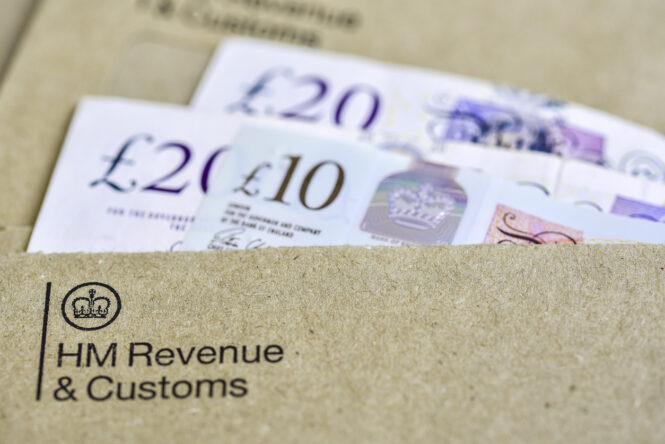
What was once a simple, universal gesture of support has become a targeted measure that requires a fair bit of admin to manage. Whether you agree with means-testing the payment or not, the reality is that 1.3 million people are about to see a change in their monthly income.
If you get a letter from HMRC this month, don’t ignore it. Check your income, check your tax code, and decide now if you want to go through the same process again next year or if it’s time to hit the opt-out button.