Faith can be deeply personal, but it’s not always easy to face the flaws within it. Christianity, like any belief system, has parts that are uncomfortable to look at: contradictions, cultural influences, and interpretations that don’t always align with the ideals people preach. For many believers, admitting that tension feels almost like disloyalty, but avoiding it doesn’t make it go away.
The truth is, faith isn’t weakened by honesty; it’s strengthened by it. Questioning, reflecting, and acknowledging what doesn’t quite add up can actually make belief more authentic. These are some of the hard realities many Christians certainly recognise, but rarely say out loud.
Loads of them don’t actually read the Bible regularly.
Most Christians own a Bible, but it sits gathering dust except for church. They know they’re supposed to read it daily, but life gets busy, it’s quite dense, and honestly, they rely on the vicar’s sermon.
This creates guilt because reading Scripture is supposed to be fundamental. But plenty go years without properly reading their Bible beyond occasional verses on social media, and they feel rubbish about it but don’t change.
Prayer often feels like talking to yourself.
They pray regularly, but deep down, it sometimes feels like they’re just having a conversation with the ceiling. There’s no audible response, no clear sign anything’s being heard, and it can feel like just thinking really hard.
Faith means believing God’s listening even without evidence, but that doesn’t stop the nagging feeling you’re talking to empty air. Most have felt this but admitting it feels like confessing your faith isn’t strong enough.
They pick and choose which Bible verses to follow.
Everyone does it, even though they claim the Bible’s God’s word. They ignore verses about shellfish or mixed fabrics, while insisting other verses must be followed to the letter based on culture and personal comfort.
Admitting this means acknowledging they’re applying human judgment to decide which bits matter. It’s easier to pretend they’re following it all but disregard huge chunks that don’t fit modern life or their views.
Church can be incredibly boring, and they’d rather stay home.
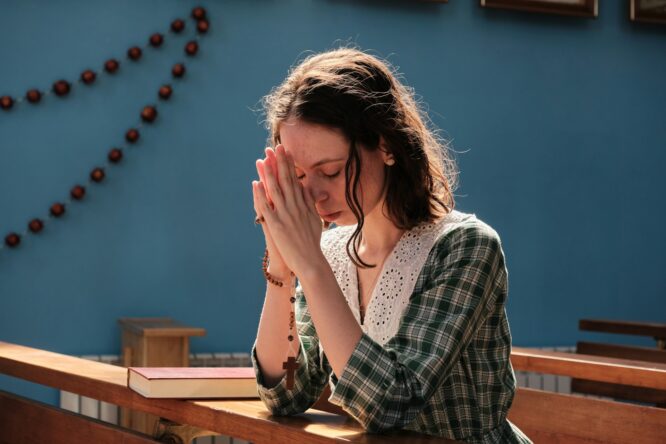
Dragging yourself to church on Sunday when you could be having a lie in is hard, and the service is often repetitive and dull. They go out of obligation or habit rather than genuine excitement.
The worship songs are the same every week, sermons blend together, and you’re just going through the motions. But saying church is boring out loud makes you sound like a bad Christian, so everyone pretends they’re spiritually fed.
They secretly judge other Christians who do faith differently.
Christians are supposed to be unified, but there’s massive judgment between denominations. Traditional churches think modern ones are too entertainment focused, but modern ones think traditional churches are stuffy and dead. Everyone thinks their way is right.
They’ll preach acceptance while privately thinking other Christians are doing it wrong. The judgment goes both ways constantly but gets hidden under polite theological disagreements rather than admitting it’s often just preference and tribalism.
Doubt is way more common than anyone lets on.
Nearly every Christian has periods of serious doubt about whether any of it’s actually true. They wonder if they’re believing in something that doesn’t exist, but expressing doubt is treated like spiritual failure.
Everyone sits in church feeling alone in their doubts, not realising the person next to them is thinking the same thing. If people were honest about struggling, they’d realise it’s nearly universal rather than something wrong.
They use faith to avoid dealing with mental health properly.
When someone’s depressed or anxious, the response is often “pray more” rather than suggesting they see a doctor. Mental illness gets spiritualised as a faith problem, when really it’s a health issue needing proper treatment.
Christians sometimes avoid therapy or medication, thinking it shows lack of trust in God. This means people suffer unnecessarily while trying to pray away conditions that need actual medical intervention, but admitting that challenges the idea faith solves everything.
The Bible contradicts itself and they just ignore it.

There are contradictions in Scripture that don’t line up, no matter how much theological gymnastics you do. Different Gospel accounts don’t match, and Old Testament God seems like a different personality from New Testament God.
Most Christians haven’t read enough to notice all the contradictions, and those who have just don’t think about it too hard. Acknowledging these issues would mean admitting the Bible might not be perfect and inerrant.
They’re terrified of hell but don’t like admitting that’s why they believe.
A lot of faith is motivated by fear of eternal punishment rather than pure love of God. The threat of hell keeps people in line but admitting you believe partly out of fear makes your faith seem less pure.
It’s hard to separate “I love God” from “I’m scared of what happens if I don’t” when you’ve been taught about hell your whole life. The fear motivation is real but gets dressed up as devotion.
Christian community can be judgmental and cliquey.
Churches are supposed to be welcoming, but they’re often just as cliquey as any other social group. New people struggle to break in, certain families dominate everything, and there’s loads of gossip and drama hidden under Christian niceness.
People get hurt by church communities constantly but stay because leaving feels like abandoning your faith. The gap between how church should be and how it actually is causes loads of people to drift away quietly.
They don’t actually want Jesus to return yet.
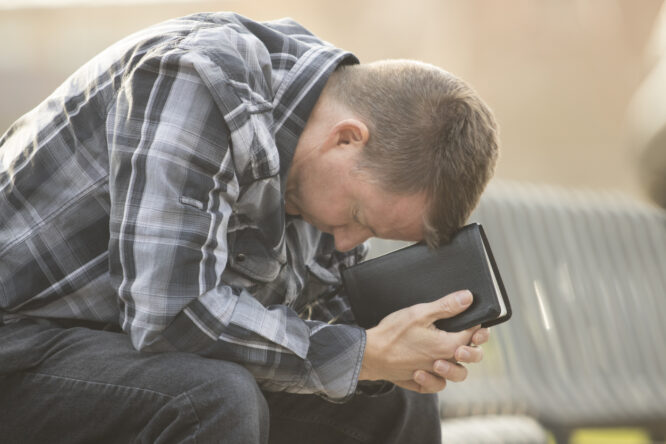
They sing about longing for Christ’s return, but secretly they’re hoping it doesn’t happen anytime soon. They’ve got plans, things they want to do, and the idea of the world ending before they get to live their life is actually quite unwelcome.
Admitting this feels selfish and unspiritual because you’re supposed to eagerly await Christ’s return. However, most Christians are quite attached to this world and their lives in it, and the end times scenario sounds terrifying rather than exciting.
Unanswered prayers make them question if God’s really there.
They’re told to pray and God will answer, but then prayers go unanswered for years or forever. Loved ones die despite desperate prayers, situations don’t improve, and eventually, you start wondering if anyone’s actually listening.
The standard explanation is “God’s answer is sometimes no” or “His timing isn’t ours” but that starts feeling like excuses. The lack of clear responses to prayer creates doubt but admitting that feels like blaming God.
They follow Christianity partly because it’s just what they were raised with.
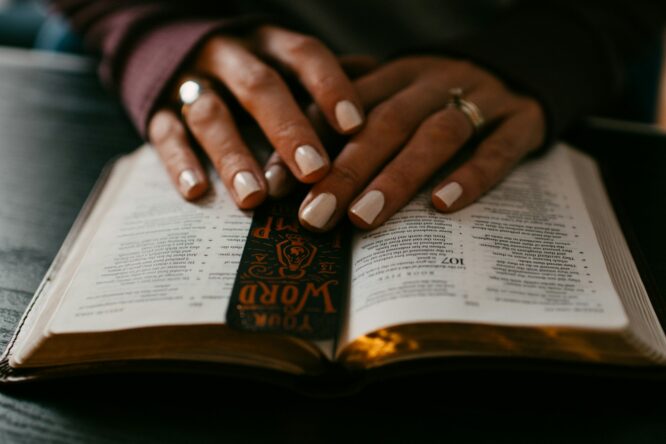
Most Christians are Christian because their parents were, not because they examined all religions and chose this one. If they’d been born somewhere else, they’d likely believe something completely different, which is uncomfortable to acknowledge.
Admitting your faith is largely accidental based on where you were born undermines the certainty that Christianity’s objectively true. It’s easier to believe you’ve been guided to truth rather than acknowledging you mainly believe what you were taught.
Some Bible teachings genuinely make them uncomfortable.
Verses about women submitting, slavery instructions, genocide commanded by God, or eternal torture for non-believers are really difficult to square with a loving God. Modern Christians are uncomfortable with loads of Biblical content but don’t want to admit it.
They either ignore these passages, try to explain them away, or silently disagree while maintaining the Bible’s perfect. Admitting parts of Scripture are morally troubling would mean acknowledging it’s a product of its time rather than timeless divine truth.