Many of us have fond memories of spending time with our grandparents, from getting spoilt with extra treats to being let off the hook for things our parents would’ve told us off for.
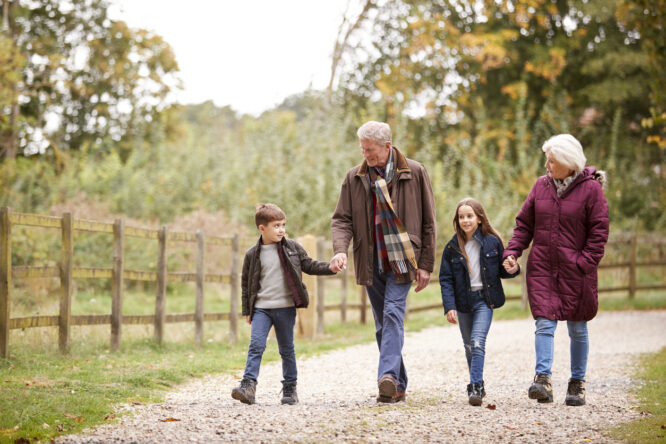
However, the role they play in a child’s life goes far deeper than just acting as a soft touch on the weekends. The everyday things grandparents do, from the family stories they share to the way they handle life’s ups and downs, actually help build the foundation of who those kids become when they grow up.
It turns out that the lessons, habits, and emotional support passed down from the older generation leave a lasting mark, shaping everything from a child’s resilience to how they treat other people as adults. These are the key grandparenting duties that have the biggest influence on the type of person a child eventually turns into.
Loving them just because

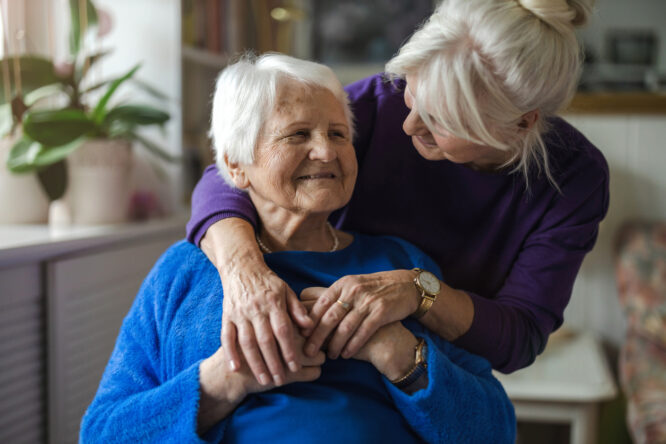
Parents have to set rules and hand out timeouts, so grandparents often get to do something different. They just love the child, full stop, no report card needed, no chores checked off, nothing to earn. A hug when they walk through the door, a proud smile just for showing up, that’s often all it takes.
A child who feels loved like that grows into an adult who feels sure of themselves, even when everything else feels shaky. They carry around this quiet sense that they’re worth loving just as they are, and that feeling doesn’t fade with time. It becomes something they lean on without even realising it, especially on the harder days.
Telling the old family stories

Grandparents remember things nobody else does. Where the family came from, what things used to be like, funny things that happened years ago before the child was even born. They’ll tell the same story a hundred times, and somehow it still gets a laugh.
Children who hear these stories feel like they belong to something bigger than just themselves, like they’re part of a long chain of people who came before them. That feeling helps them stay strong later in life, especially when things feel uncertain or lonely because they know they’re not standing alone in the world.
Slowing down and taking their time
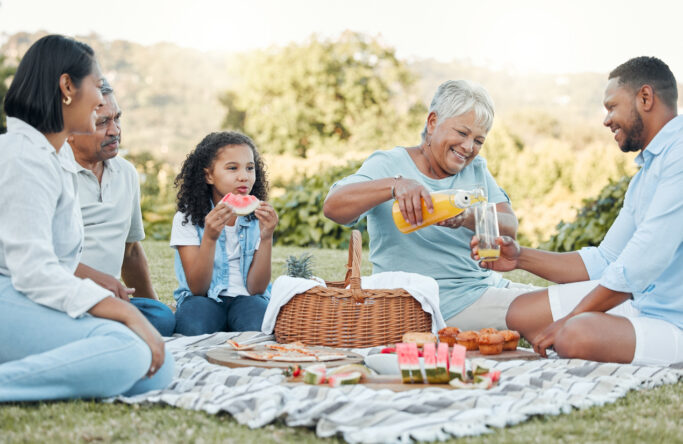
Grandparents usually aren’t rushing to school runs or work meetings, so they can take things slow. Baking, gardening, just sitting and chatting on the porch, there’s no hurry, no clock to watch, no next thing waiting.
Children who watch this learn that it’s okay to slow down, too, and that patience isn’t something to be scared of. In a world that often feels rushed, this is a rare and valuable thing to learn early. It teaches them that some of the best moments happen when nobody’s in a rush to finish them.
Teaching real life skills
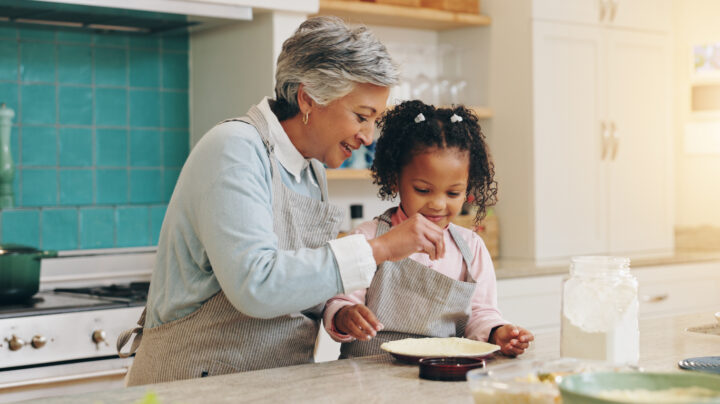
A lot of what grandparents teach isn’t really “taught” at all, it just happens. Cooking a family recipe, growing tomatoes in the garden, fixing a wobbly shelf, sewing a button back on. Nobody sits the child down for a lesson, they just get pulled in to help.
Kids who get to help out with things like this grow up feeling like they can handle stuff on their own. They learn that skills come from doing, not just from watching, and that mistakes along the way are simply part of learning. That confidence tends to spread into other parts of their life too.
Being calm when things go wrong
Grandparents aren’t usually the ones handing out punishments, so when a child messes up, they can afford to stay calm about it. Less shouting, more explaining, more sitting down and talking it through properly rather than reacting straight away.
Children get to see that mistakes aren’t the end of the world, they’re just something you fix and move on from. This softer way of dealing with mistakes teaches them that being wrong sometimes doesn’t make them a bad person, it just makes them human, and that’s a lesson that sticks well into adulthood.
Showing what love looks like over time
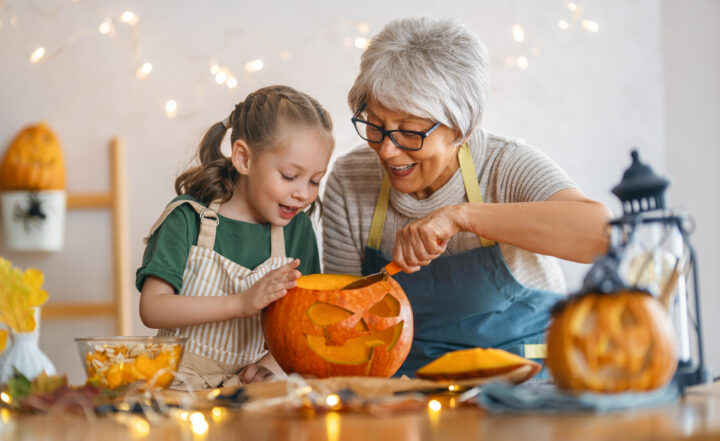
A lot of grandparents have been together for decades, through good years and hard ones. Kids get a front row seat to what it actually looks like to stick with someone, arguments and all, without giving up when things get tricky.
That sticks with them, even if they can’t quite explain why, and it shapes what they expect from their own relationships one day. Watching two people choose each other again and again over the years teaches something that words alone never really could.
Being the steady one when things get messy

When home life gets complicated, a house move, an argument, anything stressful, a grandparent is often the one thing that stays the same. Just there, just steady, no matter what else is changing around them. Children who have that hold onto it. It teaches them that even when things feel wobbly, someone will still be there, and that lesson can carry them through some genuinely tough moments later in life, long after childhood has ended.
Letting them ask a thousand questions

Grandparents usually have the patience for endless “but why?” questions in a way that busy parents sometimes don’t. A walk that should take ten minutes takes forty because there’s so much to look at, so much to ask about, so many things worth stopping for.
That kind of curiosity sticks. A lot of grown ups who love learning can trace it back to a grandparent who never got tired of their questions, who made them feel like curiosity was something to be encouraged rather than brushed aside.
Showing that hard times can be survived

Most grandparents have been through real struggles, losing someone, not having much money, tough times of their own that they lived through long before the child was around. When they talk about it honestly, kids learn something important.
They learn that hard things happen, and you can still come out the other side, still laugh again, still build a good life afterwards. That lesson quietly helps them through their own hard days later, giving them a real example to hold onto rather than just words.
Being generous without making a big deal of it
Grandparents don’t usually make a show of being kind. They just share what they have, help without being asked, give up their afternoon without complaining about it once. Kids notice this, even when nobody points it out, and they grow up doing the same thing for other people without even thinking about it. Generosity becomes something they just do, quietly, because that’s what they saw growing up.
Simply always being there
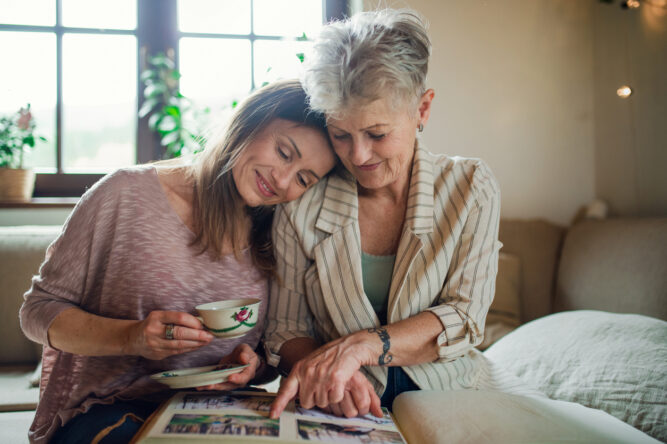
Maybe the biggest thing a grandparent gives is just time. Showing up to birthdays, school plays, boring Tuesday afternoons that nobody else remembers, year after year without fail. That kind of steadiness builds a trust that’s hard to find anywhere else, and it becomes something a person carries with them for the rest of their life. Long after childhood ends, that feeling of always having someone in their corner never really goes away.
Why all these little things matter so much
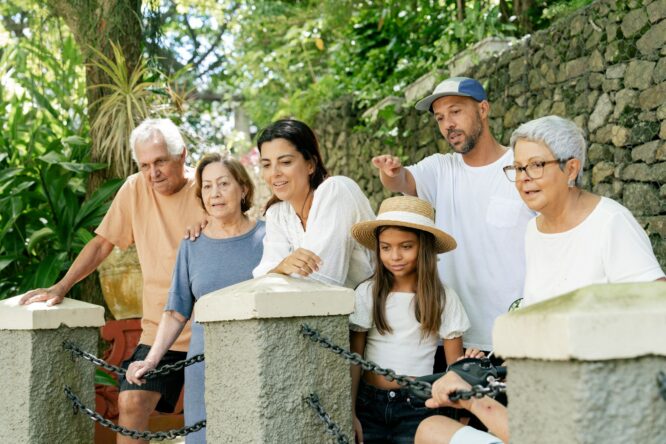
None of this is about big presents or grand days out. It’s small moments, repeated again and again, that slowly shape who a child becomes, one ordinary afternoon at a time. A biscuit shared, a story retold, a patient answer to yet another question, none of it feels important in the moment, but it all adds up.
Grandparents might not realise just how much they’re doing while they’re doing it, but those little moments end up mattering more than almost anything else. Years later, when that child has grown into an adult, they’ll likely be able to point back to exactly these kinds of moments and know precisely where so much of who they are actually came from.