Longevity has exploded across our feeds lately, with everyone from Silicon Valley biohackers to TV doctors trying to crack the code on staying fit well into old age.

With so many extreme ice baths, fasting schedules, and expensive supplements being promoted as miracles, it’s easy to assume the whole thing is reserved for people with endless free time and cash to burn. The reality is far more down to earth.
While you can’t outrun your genetics, straightforward, sustainable habits around food, movement, and sleep have a massive impact on your healthspan: the years you spend feeling sharp and mobile, rather than just ticking off birthdays. Best of all, experts are adamant that you don’t need a total lifestyle overhaul from your twenties to reap the rewards; picking up sensible routines later on pays off just as handsomely.
Staying physically active matters at every stage of life.

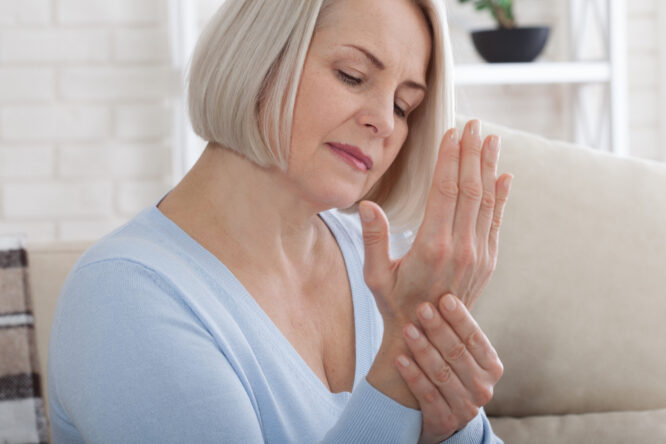
Regular movement is one of the biggest factors in healthy ageing, and it’s particularly important to stay active during midlife, though the benefits apply well beyond that window too. It doesn’t need to mean structured gym sessions either. A regular walk or some time spent gardening counts just as much if that’s more your style. Staying active helps with better sleep, an improved mood, easier weight management, and a lower risk of arthritis. The benefits stretch across almost every area of health.
Tai chi in particular offers some striking benefits.
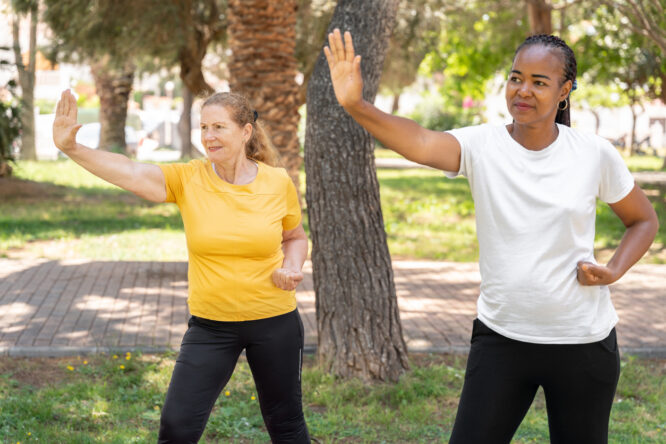
Among all forms of exercise, tai chi tends to get singled out by geriatric specialists specifically. Research suggests it can reduce the risk of falls in older adults by around 60 per cent, which matters given how often falls lead to serious disability or death in people over 65.
More recent research also points to real benefits for brain health, with regular practice of two to three hours a week linked to an estimated three to six additional years of healthy cognitive function. Beyond that, tai chi has also been shown to help lower blood pressure and cholesterol, and ease chronic pain, making it a habit worth starting young and continuing throughout life.
Protecting your hearing pays off decades later.
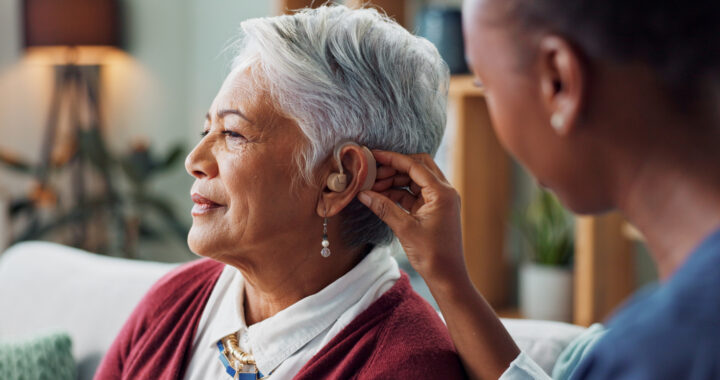
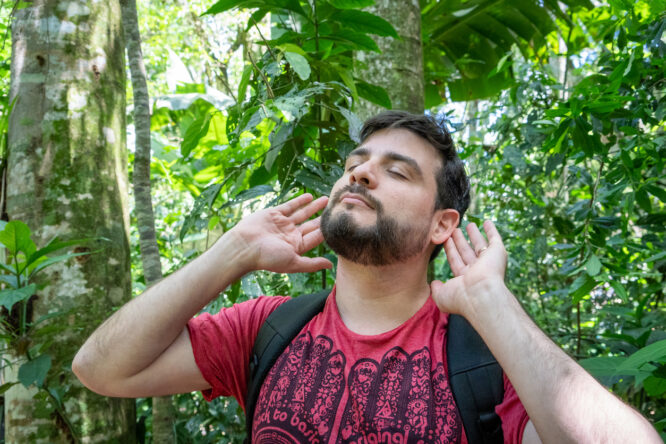
Looking after your hearing earlier in life can make a real difference to how you age. Many people later wish they’d taken more care to protect their hearing when they were younger, since hearing loss doesn’t just affect communication, it also tends to reduce how much people socialise as they get older.
There’s a cognitive angle too. Hearing loss is considered a modifiable risk factor for dementia, meaning addressing and treating it where possible can help lower dementia risk, which makes it a bigger deal than many people realise.
Vision problems can quietly limit how active you stay.
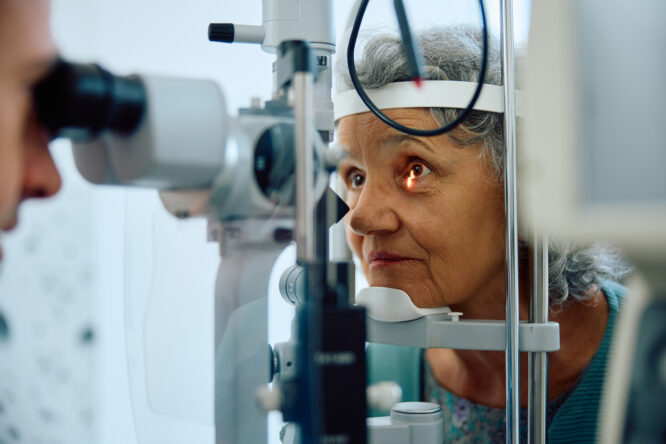
Addressing vision loss matters for very similar reasons. Struggling to see well tends to reduce how much people walk, and reduced movement naturally means reduced overall activity, undermining one of the most important pillars of healthy ageing.
Poor vision also tends to reduce reading and time spent out and about, both of which increase the risk of isolation. Since isolation is closely linked to a higher risk of dementia, keeping on top of vision changes is an important, if often overlooked, part of ageing well.
A Mediterranean-style diet stands out among the evidence.

What you eat plays a role across your entire life, and among the various diets out there, the Mediterranean diet has the strongest backing from geriatric specialists. This way of eating emphasises fruit, vegetables, nuts, seeds, whole grains, beans, plant based proteins and fish.
Following this diet consistently over a lifetime has been linked to potentially reducing the risk of Alzheimer’s dementia by as much as 50 per cent through diet alone, a striking figure compared to many other popular eating trends.
Avoiding tobacco entirely is non-negotiable for healthy ageing.
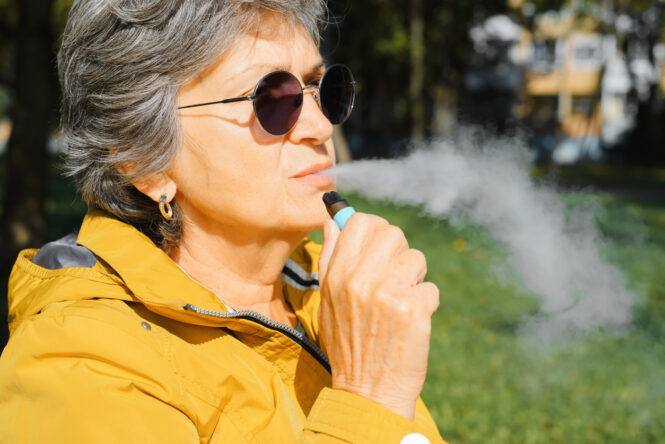
Smoking, vaping, and cigars are all viewed the same way by geriatric specialists: none of them are a safer alternative to the others, and all carry real cumulative harm over time. Tobacco use is strongly linked to cancer, particularly lung cancer, but the risks extend much further.
What many people don’t fully realise is the connection to stroke, heart disease and vascular disease more broadly, and vascular disease itself is closely tied to the onset of dementia. If healthy ageing is the goal, avoiding tobacco altogether is one of the clearest, most direct ways to protect long-term health, and seeking support to quit is worthwhile at any age.
Alcohol intake deserves closer attention than most people give it.
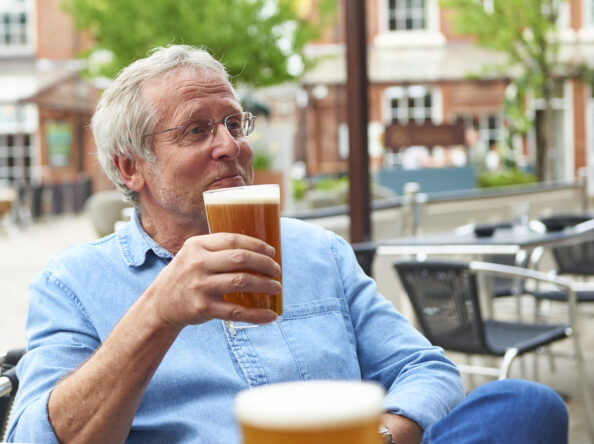
While opinions vary on what counts as a truly safe level of drinking, keeping alcohol intake limited is consistently flagged as important for healthy ageing. According to the World Health Organization, no level of alcohol consumption is entirely risk-free, and even relatively low intake carries some degree of harm.
Current guidance suggests limiting alcohol to around two drinks a week. Drinking considerably more than this, such as six drinks a week instead of two, has been linked to a meaningfully higher dementia risk, with risk climbing further the more someone drinks. Alcohol is also linked to cancer, heart disease, liver disease and high blood pressure, making it one of the more impactful habits to keep in check.
Staying active in retirement is just as important as staying active beforehand.

Retirement itself can become a risk factor if it leads to a much less active lifestyle. Geriatric specialists are clear that simply stepping back from all forms of activity is one of the worst things anyone can do once they retire. Staying engaged, physically, mentally and socially, is essential.
Isolation and a lack of mental challenge both take a toll on cognitive health, while staying engaged gives people a real sense of purpose that carries real cognitive benefits. The brain remains capable of learning and adapting well into later life, and physical activity continues to matter just as much during retirement as it did beforehand.
Having something to look forward to, whether that’s spending time with grandchildren, volunteering locally, helping out at a place of worship, or joining a book club with neighbours, can make a real difference. Withdrawing from these kinds of activities is consistently flagged by specialists as one of the clearest paths toward a decline in both physical and cognitive health.