Most of us have got fibre on the radar these days.

We know we should be eating more of it, we know it’s good for us, and a lot of people are truly trying to up their intake. The problem is that some of the foods we assume are doing heavy lifting in that department are actually barely contributing at all. A few of them might surprise you.
Fibre is one of the most important parts of our diet.
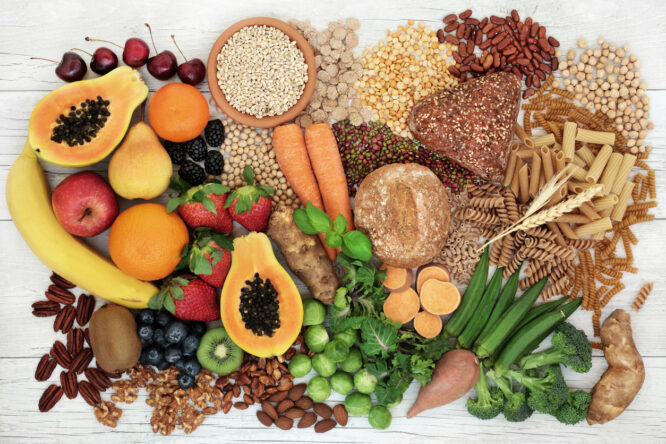
It keeps your digestion moving, helps you feel full for longer, steadies blood sugar, and does good things for your heart. That’s a fairly impressive list for something most people only vaguely associate with eating enough vegetables. There’s also growing evidence that a consistently high fibre intake is linked to a lower risk of colorectal cancer, which is important to know given that rates have been rising in younger adults in recent years.
Most people in the UK aren’t getting anywhere near the recommended amount, which sits at around 30 grams a day for adults. The average person is getting somewhere between 10 and 15 grams. So the gap is real, and it’s important to understand which foods are actually going to close it and which ones you might be banking on unfairly.
Lettuce isn’t pulling the weight you think it is.

This one catches people off guard. Salads feel healthy, they’re associated with clean eating, and lettuce is the foundation of most of them. However, a full cup of shredded romaine contains roughly one gram of fibre. Iceberg and butter lettuce come in even lower. You’d need an enormous bowl to make a meaningful dent in your daily target from leaves alone.
That doesn’t mean salads are pointless, far from it. The issue is just that the fibre in a salad mostly comes from what you add to it rather than the leaves themselves. Chickpeas, avocado, seeds, beans, those are the things doing the actual work. If you’re eating a big green salad and assuming you’ve covered your fibre bases, you should be looking at what’s actually in the bowl.
Celery has almost no fibre in it at all.
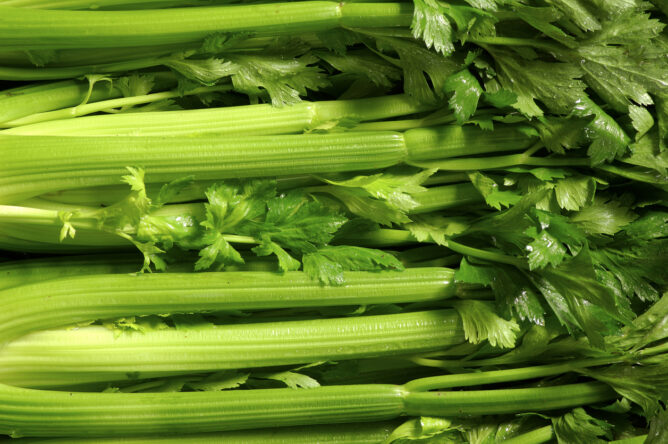
A medium stalk of celery has about half a gram of fibre. A cup of it chopped gives you around 1.6 grams, which still isn’t very much. People reach for celery as a healthy snack partly because of the crunch, and there’s this assumption that something that stringy and fibrous must be high in fibre. It’s not, really.
It’s still a decent snack, and it has other things going for it, including antioxidants and very few calories. But if you’re eating it specifically because you think it’s boosting your fibre intake considerably, you’d get far more from a small handful of almonds or a few tablespoons of hummus made from chickpeas.
Watermelon is mostly water and very little else fibre-wise.
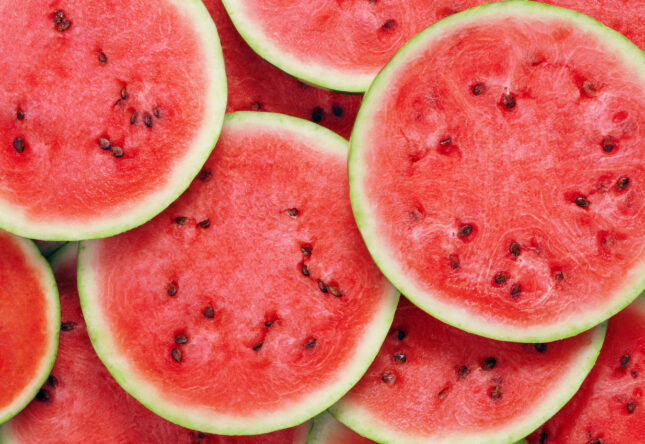
A cup of watermelon has around 0.6 grams of fibre. Given that it’s over 90% water, that’s not shocking, but you should be aware if you’ve been counting it as a meaningful contribution. The hydration benefit is real, and it’s rich in lycopene, which has been linked to reduced inflammation and a lower risk of certain cancers. So, it earns its place in a healthy diet, just not for the fibre.
Summer fruit in general tends to be lower in fibre than people assume because of the water content. Berries are the exception, raspberries especially, but most other warm-weather fruits are more about hydration and vitamins than they are about hitting your fibre targets.
Peeling your fruit and veg is costing you.

This is one of the more practical things to know. A significant amount of fibre in apples, potatoes, pears, and similar produce sits in the skin. Around half an apple’s fibre is in the peel. If you’re routinely peeling these before eating them, you’re losing a meaningful chunk of what you’re there for.
It doesn’t apply to everything, obviously, and some skins really aren’t pleasant to eat. But for everyday things like apples, pears, courgettes, and baby potatoes, leaving the skin on is an easy and effortless way to get more fibre without changing what you’re eating at all.
Greek yogurt and cottage cheese have no fibre whatsoever.

This surprises people because both foods have such a strong health reputation. They’re high in protein, good for calcium, and widely recommended as nutritious options. But fibre only comes from plant foods, and dairy products contain none of it. Zero.
That’s not a reason to stop eating them, they’re good for you in other ways. That being said, if your breakfast is yogurt and fruit and you’re not adding anything else, the fibre count depends entirely on what the fruit is. Pairing them with raspberries, chia seeds, or a sprinkle of nuts is an easy way to turn a no-fibre base into something that’s actually contributing.
The foods that will actually move the needle
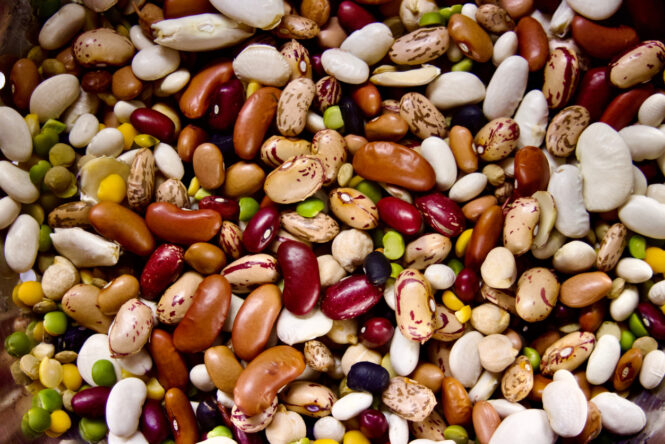
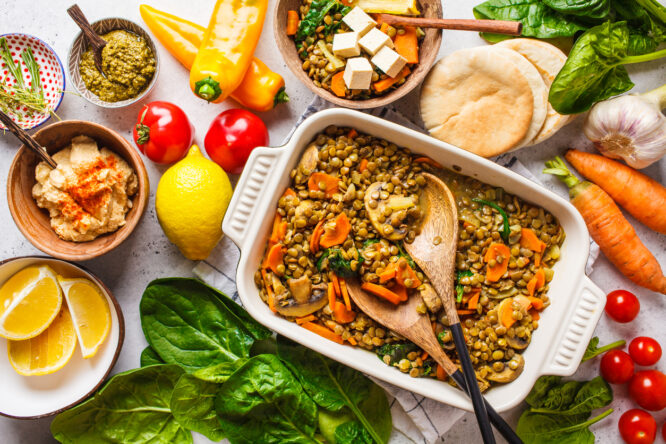
Beans and lentils are in a different category entirely. A cup of lentils or black beans contains around 15 grams of fibre, which is half the daily target in one go. Split peas are even higher at 16 grams per cup. These aren’t difficult to include either. Lentils go into soups, salads, and curries without much effort, and tinned beans can be added to almost anything.
Avocado is another one people underestimate on the fibre front. A whole avocado provides around 10 grams, sometimes more depending on the size. Raspberries give you 8 grams per cup, which makes them one of the best fruit sources going. Broccoli, pears, quinoa, and chia seeds are all worth getting familiar with too if you’re trying to consistently hit higher daily amounts.
Cooking your greens makes a bigger difference than you’d expect.
Raw spinach has less than a gram of fibre per cup. Cooked spinach has 4 grams per cup. The reason is straightforward: it takes several cups of raw spinach to cook down into one cup, so you’re essentially concentrating the fibre into a smaller volume. You’d have to eat an impractical amount of raw spinach to get what a single portion of cooked spinach delivers.
This applies to other greens too. Wilting, roasting, or steaming vegetables tends to make them easier to eat in larger quantities, which naturally increases the fibre you’re getting without you having to think too much about it. A big handful of raw kale in a salad is harder to get through than the same amount roasted with some olive oil and garlic.
Go up slowly if you’re increasing your intake.

If your fibre intake has been on the lower side, and you suddenly start eating a lot more of it, your digestive system will let you know it’s not happy. Bloating and wind are the most common complaints, and they’re real enough to put people off continuing. The key is to increase gradually over a few weeks, rather than overhauling everything at once.
Drinking enough water matters too. Fibre absorbs water as it moves through the digestive system, and if you’re not staying hydrated it can slow things down rather than speed them up. Aiming for at least six to eight glasses a day is the standard advice, and it becomes more relevant the more fibre you’re eating.
Variety is more important than fixating on one or two sources.
There are two types of fibre and they do different things. Soluble fibre dissolves in water and slows digestion down, which helps with blood sugar and cholesterol. Insoluble fibre doesn’t dissolve and adds bulk to stools, keeping things moving. Both are important, and they come from different foods, which is why eating a wide range of plant-based things beats relying on just one or two sources.
Supplements and fibre powders are fine as a top-up, but they don’t replicate what whole foods offer. Real food comes with vitamins, minerals, and other compounds that work better together than any single extracted component can on its own. So if you’re going to put the effort in, putting it into actual food rather than a powder stirred into water is generally the better use of that effort.