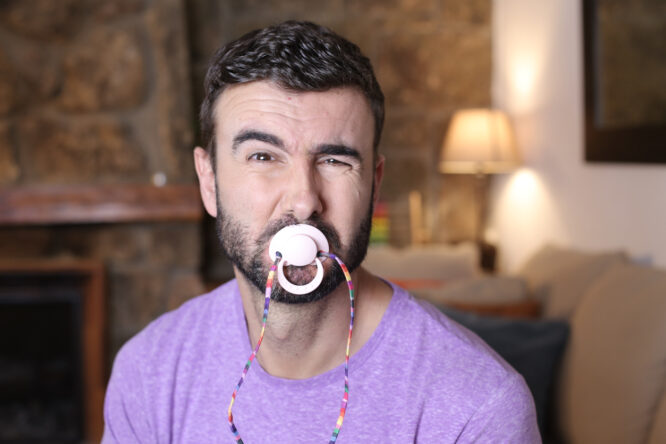
Trying to be the most impressive person in the room is a massive waste of energy that usually backfires, making you look desperate rather than capable.

Experts are pointing out that the very habits we think make us look top tier, such as constant name-dropping or pretending we’ve got it all figured out, are actually the things that push people away and make them trust us less. It’s a relief to realise that most people aren’t even looking for a polished performance; they’re just looking for someone who isn’t a total phoney. If you’re tired of the constant “on” switch, here are the specific, exhausting behaviours you need to bin off if you actually want to earn some genuine respect.
Why we even do it in the first place

Most of us try to impress people because somewhere along the way we picked up the idea that being liked equals being safe. Kids do it on the playground. Adults do it at work. Psychologists reckon a lot of it comes from feeling a bit insecure, wanting to be accepted, or thinking we have to earn the right to be liked.
We’re wired to want to belong, so it makes sense on some level. The problem is that people can usually tell when you’re trying. There’s a sort of background hum to it, a slightly off energy, and most people pick up on it without quite knowing why. Once they can tell, the whole thing falls apart, because the very thing you were trying to hide is the thing they end up noticing.
Bragging about the stuff you’ve bought

Telling everyone about your new car, your new phone, your new whatever. It feels good for about ten seconds because someone says, “Ooh, nice!” Then they go home and forget. The worst bit, and experts have been saying this for years, is that bragging tends to push people away rather than pull them in.
People might feel a bit jealous, or just bored, or quietly annoyed, and they file you away as someone who needs the world to know what they own. The ones who really respect you don’t care what you’ve bought. They care what you’re like to be around when nothing exciting is happening, when there’s no audience, when there’s nothing to show off about. That’s where genuine likeability actually lives.
Dropping famous or important names
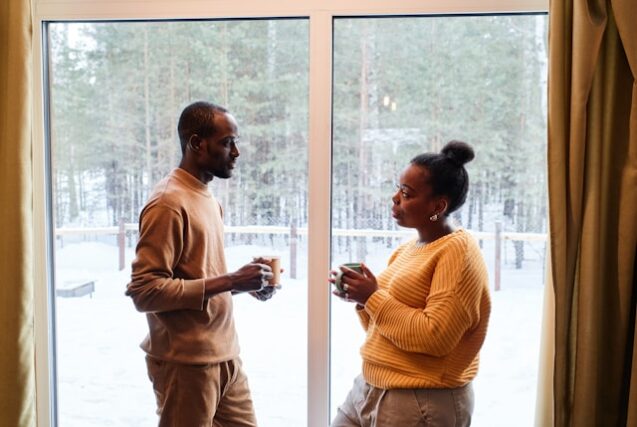
You know the move. “When I was talking to so-and-so…” or “my mate who works at…” It sounds like a normal story, but everyone in the room can tell what’s really going on. You’re trying to borrow someone else’s shine. The problem is it actually makes you seem smaller, not bigger, because it suggests you don’t think your own life is interesting enough on its own.
Confident people don’t need to attach themselves to other names because they’re fine standing on their own two feet. It also turns the conversation into a list of people you know, which doesn’t tell anyone anything about who you actually are. Most people walk away from those conversations not really remembering you, just remembering the names you were dropping.
Agreeing with stuff you don’t agree with

This one is sneaky. You’re at dinner, someone says something, and you nod along even though you completely disagree. You laugh at jokes that aren’t funny. You go along with plans you don’t fancy. You give an opinion on a film and quietly tweak it depending on who you’re talking to.
After enough years of this, you actually forget what you think because the muscle for having your own opinion has gone a bit soft. You become whatever the room wants you to be, and that’s not impressive to anyone, including yourself. The funny thing is, sharing a slightly different opinion in a kind way usually makes people respect you more, not less. People remember the ones who push back gently, not the ones who agreed with everything.
Saying yes when you really mean no

If you say yes to every favour, every plan, every extra task at work, you’re not a good friend, you’re just knackered. Saying yes too much usually comes from worrying that people will stop liking you if you turn them down. They won’t. The people worth keeping will respect a no, even if they’re a bit disappointed in the moment.
The ones who don’t weren’t really your friends in the first place, they were just enjoying having someone reliable to lean on. You also start to quietly resent the very people you were trying to please, which makes everything worse because now you’re tired, stretched thin, and a bit cross with people who haven’t actually done anything wrong.
Trying to one-up everyone

Someone tells a story about their holiday. You jump in with a better one. They mention a hard week. You mention yours was harder. It feels harmless, but it’s actually really tiring to be around because nobody ever quite gets to finish a thought without it being topped. People want to feel heard, not measured against you.
Next time someone shares something, just listen. Ask a follow-up question. Let their story be the story for a minute, even if you’ve got a similar one rattling around in your head. Listening properly is something almost nobody does these days, so the people who actually do it really stand out, and not in a way that needs any effort at all.
Showing off how clever you are

Throwing in big words, correcting people on small things, making sure everyone knows you read that book or watched that documentary. It rarely lands the way you think it does. Most people don’t enjoy being made to feel less clever in a conversation, even when the correction is technically right.
Genuinely clever people tend to keep things simple, ask questions, and let other people work things out. They’re confident enough not to need everyone to know what they know. If you have to keep proving you’re smart, the people listening start to wonder why you need them to know so badly. It comes across as a bit insecure, which is the opposite of what you were going for.
Posting stuff online for the reaction

The holiday photo angled just right. The caption written six times. The post you only put up because it’ll get likes. There’s nothing wrong with sharing your life, but there’s a difference between sharing it because you want to and sharing it because you need a reaction.
Psychologists keep flagging this as one of the quickest ways to feel rubbish about yourself because the reaction is never quite enough. You always need a bit more next time, and the post that got 80 likes last week feels like a flop when this week’s only got 40. It’s a road that ever ends well, and most people who pull back from it report feeling lighter within a couple of weeks.
Explaining yourself for ages when you say no

When you turn down a plan, you don’t owe anyone a paragraph about why. “Sorry, can’t make it” is a complete answer. Long explanations usually come from worrying that the other person will be cross with you, but they make things worse, not better. They sound like excuses, even when every word is true.
They invite the other person to push back and try to talk you round because the more reasons you give, the more openings there are to argue with. A short, kind no is much more confident and a lot less exhausting. People generally respect it more too, even if it feels rude in the moment, because it doesn’t ask them to manage your feelings about your own decision.
What happens when you actually stop

The strange thing about not trying to impress people is that you end up coming across as more impressive without doing anything. You seem calmer. You seem more sure of yourself. People feel relaxed around you because they’re not being performed at, and that’s a really nice quality to be around.
You also stop being so worn out, since keeping up an act takes a huge amount of energy that you probably didn’t realise you were spending. The right people stick around, and they like you more for the dropped act, not less. The wrong ones drift off, and that’s a good thing, not a problem, even though it doesn’t always feel that way at first.
Nobody nails this overnight. We’ve all done a bit of bragging, a bit of nodding along, a bit of saying yes when we meant no. The trick is just noticing when you’re doing it and asking yourself who you’re really doing it for. If the answer isn’t you, that’s a good moment to pause and have a quiet think.
The people worth being around want to know the actual you, not the polished version you’ve been carrying around. And the actual you is almost always more interesting anyway, even when you don’t believe it.