If you’ve been decluttering lately or just have a wardrobe full of things you never wear, Vinted is probably already on your radar.
It’s a second-hand selling app with over 100 million registered users across Europe, and one of its biggest draws is that sellers pay no fees at all. You list your item, someone buys it, and whatever price you set is what you receive. Buyers cover their own shipping and pay a small buyer protection fee on top, which means the whole thing is pretty straightforward if you know what you’re doing.
However, a lot of people download the app, list a few things badly, get no sales, and assume it doesn’t work. It does work—these are the things that are probably getting in the way.
Your photos and measurements aren’t giving buyers enough to go on.

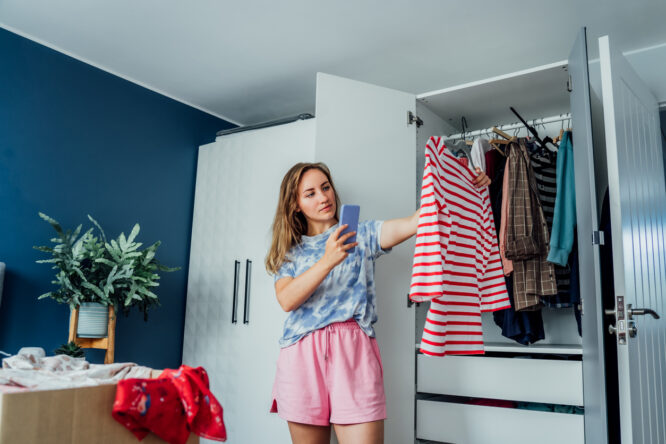
This is where most people fall down first. A blurry shot taken in a dim hallway with a crumpled item in the background will get scrolled past every time because buyers can’t feel the fabric or check the fit in person, so photos are everything they’ve got. Iron or steam the item first, find somewhere with decent natural light, and photograph it flat or on a hanger.
Aim for at least five shots covering the front, back, label, and any details worth knowing about. If there’s a mark or a small repair, photograph that too because buyers who spot a flaw after delivery are the ones who leave bad reviews. Being upfront from the start is always the better move.
Measurements are just as important as the photos themselves, and a lot of sellers skip them entirely. Clothing sizes vary hugely between brands and eras, so someone buying a vintage piece or something from an unfamiliar label will want actual numbers before they commit. Pit-to-pit, length, and waist are the ones people care about most. It takes an extra couple of minutes per listing, but it cuts down the back-and-forth messages significantly, and fewer unanswered questions means fewer people who click away undecided.
Your title and description aren’t doing what they need to do.

Titles like “pretty blue top” or “nice dress size 12” won’t show up when buyers search, and they don’t tell anyone anything useful. Think about what someone would actually type into the search bar, then write your title to match that. Include the brand, item type, colour, size, and any relevant style keywords like “linen,” “oversized,” or “Y2K.”
A title like “Zara linen blend midi dress size 14” will appear in far more searches and gives buyers exactly what they need to click through. It’s worth looking at how other successful listings phrase their titles for similar items because it quickly shows you what’s landing.
The description box needs filling, but it doesn’t need to be an essay. Cover the key things clearly: condition, any quirks, fabric if it’s not obvious, and whether it runs small or large. Buyers who feel properly informed are much more likely to buy, and it also reduces the chance of a dispute afterwards. Mentioning that you ship quickly or that you’re happy to answer questions can help too, since people often check the description to get a feel for the seller as much as the item itself.
You’re getting the pricing wrong in more than one way.
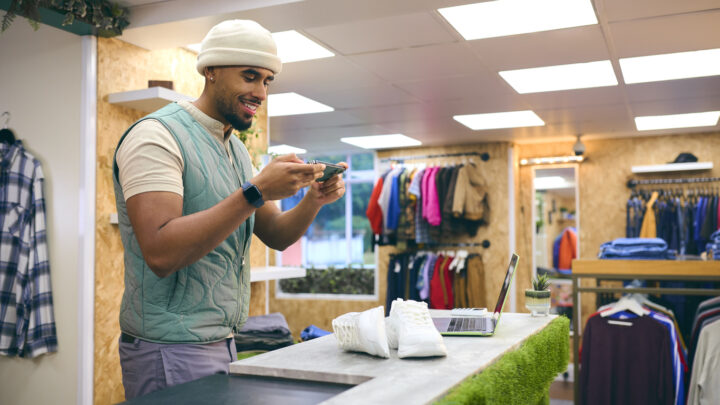
Vinted shoppers are price-conscious, and they’re comparing your listing to several others at the same time, while also knowing there’s a buyer protection fee added at checkout. If your prices feel high, they’ll just click on someone else. Before you set a price, search for the same or similar items on Vinted specifically rather than checking other platforms because prices differ significantly between apps. Find a number that feels fair rather than optimistic, and remember that because Vinted takes no seller fees, you can afford to go a little lower and still come out ahead compared to selling elsewhere.
One mistake that catches people out is building postage into the item price out of habit because they’re used to platforms where shipping is included. On Vinted, buyers pay for shipping separately through the platform’s own system, so your item price should just reflect the item.
If your listing looks more expensive than a near-identical one because you’ve added shipping costs into the price, you’ll lose that sale almost every time. It’s also worth knowing that Vinted automatically notifies anyone who has favourited your listing when you drop the price, so a small reduction after a couple of weeks is a free way to bring warm buyers back.
You’re not keeping your listings active or your response rate up.

Vinted’s algorithm favours newer listings, which means anything listed a few weeks ago has probably dropped towards the bottom of search results without you realising. The app lets you bump items to push them back up to the top, and doing this every seven to fourteen days makes a real difference to visibility.
You can also edit a listing slightly and re-save it, which has a similar effect. If you’ve got a lot of items, a quick sort through your older listings every couple of weeks and giving the quiet ones a refresh is time much better spent than wondering why nothing’s moving.
Response speed matters too. Buyers ask questions when they’re interested, and if you take a couple of days to get back to them, they’ve already bought it from someone else. Getting back to messages within a few hours wherever possible keeps momentum going and shows that you’re a reliable seller, which also affects how the platform ranks you.
Even a quick reply saying you’ll get back to them shortly is better than silence. And if you’re going away or know you won’t be able to ship anything for a while, switch holiday mode on in your profile settings. Vinted expects dispatch within five days of a sale, and missing that window repeatedly damages your seller rating in ways that can take months to recover from.
You’re not making the most of bundles, and you might be selling the wrong things.
Lots of buyers check your other listings once they’ve found something they like, so it’s worth keeping your whole wardrobe section tidy and well presented, not just the items you’re keenest to shift. Switching on the bundle discount feature encourages people to pick up more than one item in a single order, which saves them on postage and increases your overall earnings without much extra effort. Even a small discount is often enough to tip someone into adding a second item, so it doesn’t need to be a dramatic reduction.
It’s also worth being honest about what Vinted is actually good for. The platform works brilliantly for everyday brands, high street staples, activewear, and accessible secondhand clothing at reasonable prices. It’s not the right place for a designer bag at £800 or niche items with a very narrow audience.
Buyers on Vinted have a ceiling in mind, and they’re looking for value, so if you’re expecting luxury resale prices you’ll likely be sitting on those items for a long time. Things like that tend to sell far faster on specialist platforms, where the buyer base is already prepared to spend more. Knowing where each item fits best saves a lot of frustration.