The idea of purposely making yourself extremely cold isn’t one most of us would jump at, but is it beneficial?
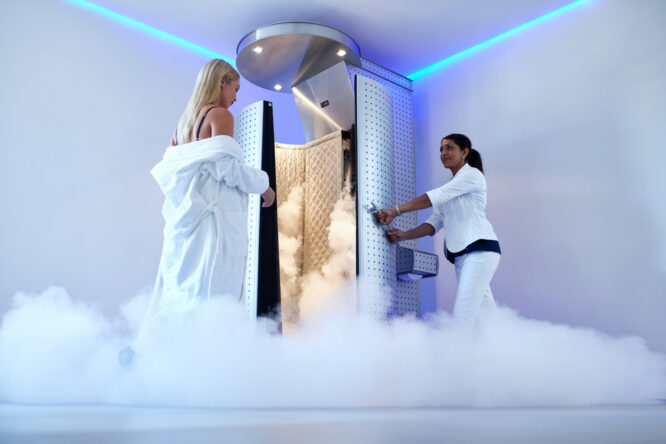
You’ve probably scrolled past countless videos of people doing freezing loch dips, full-body ice baths, or grimacing under a freezing morning rinse, wondering whether subjecting yourself to icy water does anything useful. It’s easy to write off the whole trend as pure social media bravado, particularly when the thought of stepping away from a steaming hot stream on a cold morning sounds thoroughly miserable.
As it turns out, the science backs up the madness. Submitting your body to a sudden temperature drop kicks off a cascade of physiological perks, from a sharper spike in circulation and reduced muscle inflammation to a boost in mental alertness and mood-regulating endorphins. Understanding what actually happens under the surface makes that chilly shock a lot easier to stomach, especially if you know how to build up your tolerance gradually rather than diving straight into an unbearable freezing blast.
What is cold therapy?

The term for this is cryotherapy, an umbrella term covering everything from cold showers to full-body cold water immersion and cold air chambers. According to a principal scientist at the Gatorade Sports Science Institute, cryotherapy essentially means reducing tissue temperature by applying something cold to a warmer body, allowing heat to transfer from warm to cold. If you’ve ever put an ice pack on a sprained ankle, you’ve already used a basic form of cold therapy without necessarily realising it.
It could help boost alertness.
If you regularly feel groggy in the mornings, a cold shower might help. According to a professor specialising in extreme environments at the University of Portsmouth, cold water triggers what’s known as the cold shock response, releasing stress hormones that prepare the body for fight or flight.
One non-peer reviewed study found that people who immersed their bodies, excluding their heads, in cold water for five minutes reported feeling noticeably more enthusiastic, active and alert afterward. The overall research base here remains fairly limited, though anecdotal evidence still holds some value in this particular case.
It may help lower inflammation too.
Cold showers could also help with inflammation more broadly. Research in animals suggests that cryotherapy, when applied correctly, can reduce inflammation by lowering metabolic rate. Inflammation itself isn’t inherently bad, since it’s a natural part of how your body responds to injury or exercise, but the goal of cryotherapy is to reduce the harmful side of that inflammatory response so the beneficial healing process can begin sooner.
Timing matters a great deal here, though. The inflammatory process begins almost instantly after injury, often before you even feel it, so applying cold therapy too late means it’s unlikely to have much of an effect at all.
It could help ease pain naturally.

For anyone looking to manage pain without reaching for paracetamol or ibuprofen, cold showers may offer an alternative. A 2021 review of 22 separate studies found that regularly using cryotherapy can be a relatively low-risk way to help ease chronic pain. Exposure to cold temperatures appears to help reduce inflammation, nerve transmission and oxidative stress, all of which can contribute to ongoing pain. There’s no guarantee it’ll work for everyone, but if you’ve ever felt relief from an ice pack on a sore muscle or bruise, that’s the same underlying mechanism at play.
It might support your mental health too.
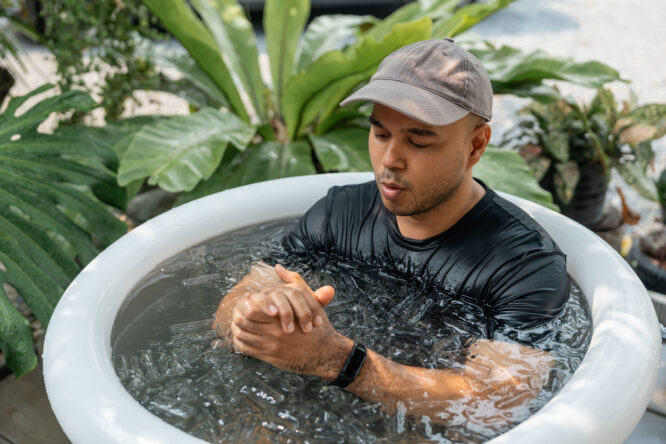
Cold showers and cryotherapy more broadly aren’t a substitute for talk therapy or prescribed medication for mental health conditions, but there’s some evidence they could act as a useful complementary treatment. One study found that people who completed ten sessions of cryotherapy experienced reduced depressive symptoms, alongside improvements in overall mood and quality of life.
It could give your immune system a small boost.

Cold showers may also offer a modest boost to immune function, though they’re certainly no replacement for reliable basics like getting enough sleep. The research in this area remains fairly limited, but one study found that people who started their shower with warm water before finishing with cold water missed 29 per cent fewer days of work due to illness, despite reporting being sick just as often as those who took only warm showers. This suggests their symptoms may simply have been milder, though scientists still aren’t entirely sure of the exact mechanism behind this effect.
How to take a cold shower safely
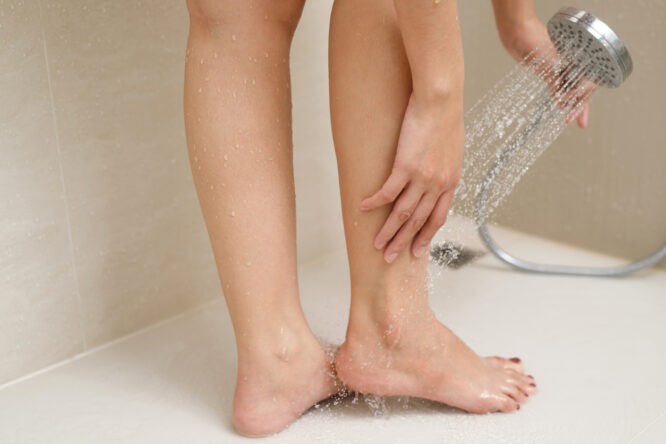
Cold showers aren’t inherently unsafe, but pushing yourself too far beyond what you’re used to can become risky. It’s a real shock to the system, and your heart rate does noticeably increase the moment you switch from warm to freezing water.
Before diving in, speak to your doctor first, particularly if you have any cardiovascular issues, circulation problems, respiratory conditions, nervous system disorders, or other relevant health concerns. Staying hydrated before and after a cold shower matters too, unless you have a specific medical reason to limit fluid intake.
Rather than forcing yourself to stand under freezing water for an extended period straight away, ease into it gradually. Starting your shower warm, then slowly turning the water cold for the final 60 seconds or so, helps your body adjust without putting you off the practice entirely. Breathing exercises or other relaxation techniques you’re already familiar with can also help manage any discomfort or anxiety in the moment.
Perhaps most importantly, keep the water moderately cold rather than freezing. If you start shivering, that’s your cue to get out immediately, since shivering means the water is either too cold or you’ve stayed in for too long.
Why there isn’t more solid research on this yet

Much of the existing scientific backing for cryotherapy actually comes from animal research, and unfortunately, a lot of what’s been proven beneficial in animals hasn’t yet been replicated in humans. Designing high quality human studies that control for every variable while accurately measuring the effects of cold therapy is difficult.
Replicating an appropriate “dose” of cold therapy is particularly tricky too. An ice cube placed on a mouse covers a huge proportion of its total body surface, but achieving the same relative coverage on a human would require an impractically large amount of ice. That said, research specifically around athletes and recovery has grown in recent years, with whole body cryotherapy shown to improve perceived muscle soreness and trigger anti-inflammatory responses in the body.
What temperature actually works best
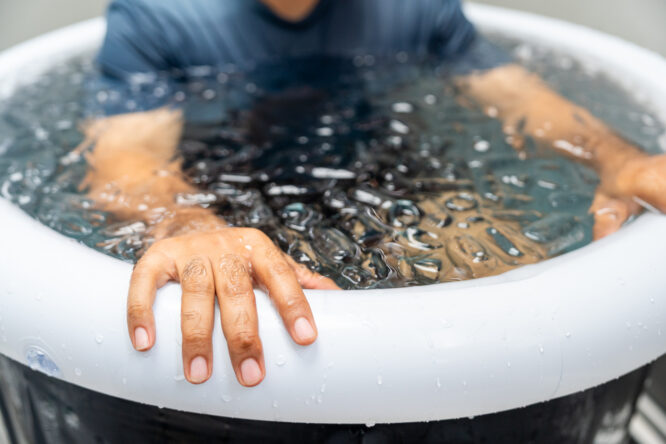
There’s a common assumption that colder is always better when it comes to cryotherapy, but recent research from the past few years actually suggests the opposite is true. A more moderate temperature appears to be physiologically more beneficial overall.
While nobody knows the exact optimal figure for certain, current data points toward around 15 °C as an effective temperature. Truly freezing water tends to trigger shivering deep within the tissue, and prolonged shivering can actually impede recovery rather than support it. A milder cold temperature avoids that shivering response entirely, while still achieving a meaningful reduction in tissue temperature. In practice, you don’t need to measure the exact temperature yourself, simply aim for water that feels chilly without making you shiver.
How long a cold shower should last
The ideal duration varies from person to person. Some experts suggest even 60 seconds can offer noticeable benefits, while others recommend gradually working up to longer exposure over time. Research suggests better recovery results tend to come from longer periods of cooling, and moderately cold water around 15 °C is generally far easier to tolerate for an extended period than freezing water would be.
Is a warm shower ever the better option?

Whether a warm or cold shower serves you better really depends on your specific goal. If you’re simply looking to relax, a warm shower is likely to deliver that far more effectively than a cold one ever could. Warm showers also tend to be the better choice if you’re actively trying to build muscle mass. Regular cold exposure in people specifically training to gain muscle has actually been shown to be counterproductive, since it can interfere with the muscle’s ability to grow and repair correctly.
This comes down to blood flow, since cold exposure constricts blood vessels while warmth dilates them, encouraging greater circulation. If you’re training for something like a marathon with a long run scheduled, a warm shower beforehand might help prepare your muscles for the effort ahead. On the other hand, if you’re on a multi-day ski trip and want to avoid muscle soreness building up, a cold shower each evening could help by slowing the inflammatory process.