Most people planning a city break head straight for the postcard spots, the big museums, and the streets packed with selfie sticks.
Of course, locals rarely hang around those areas once the tour buses roll in. All over Europe, quieter neighbourhoods just outside the usual tourist zones are turning into the places where the best food, the best bars, and the best atmosphere actually live. Here’s where to go if you want a trip that feels a bit more authentic and satisfying.
Paris has a side most visitors never see.
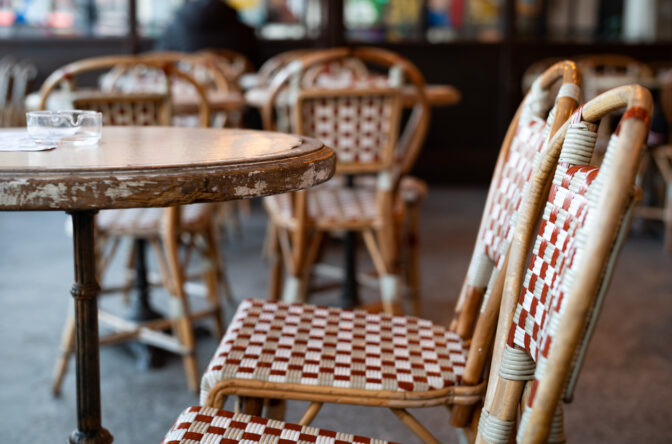
Skip the pricey centre and head to Strasbourg Saint-Denis on the Right Bank. It’s still close enough to walk to famous spots like the Louvre, but it has a grittier, more working class history that gives it a totally different feel after dark. Streets like rue des Petites-Ecuries come alive at night with small bars, live music venues, and food spots that don’t feel built for tourists at all.
During the day, wander through the old covered shopping arcades that were built long before modern shopping centres existed. They’re full of little shops selling spices, oils, and vintage clothes, and walking through them feels like stepping into a different century for a few minutes.
Rome’s quiet corner feels like a step back in time.
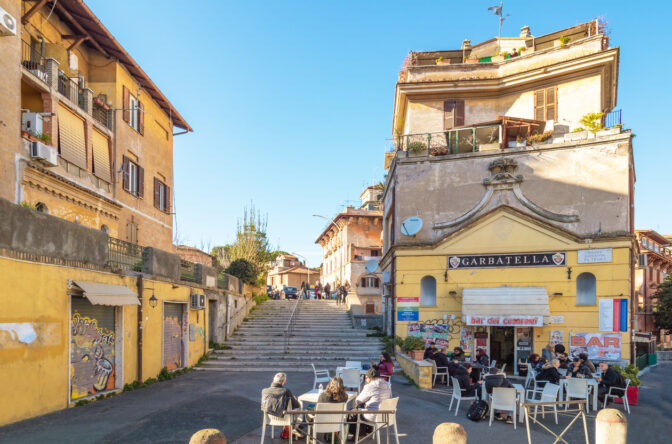
Garbatella sits just three stops on the metro from the Colosseum, but it might as well be a different city. Built almost a hundred years ago as a kind of garden village, it still has that close community feel, with washing lines strung between windows and old trattorias that have barely changed their menus in decades.
The area is only just starting to get new bars and galleries, so it still feels like a real neighbourhood rather than a spot built for visitors. Wander the courtyards of the old housing blocks, and you’ll spot murals and architecture you won’t find anywhere near the main tourist trail.
Madrid’s grown up answer to the party district shouldn’t be missed.
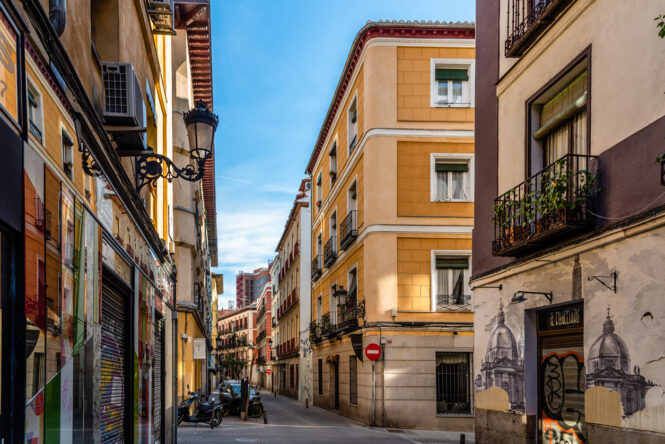
Everyone knows Malasaña, but cross over San Bernardo street, and you’ll find Conde Duque, a calmer and more sophisticated version of the same energy. The area is built around a huge old barracks that’s now a cultural centre, and the streets around it are full of small squares perfect for a slow wander.
Coffee here is taken seriously, and the local cafes and terraces give you a real feel for how Madrid locals actually spend their afternoons. There are still very few big chain shops, so most of what you’ll find is small and independently run.
Amsterdam’s old docks have been turned into a creative hub.
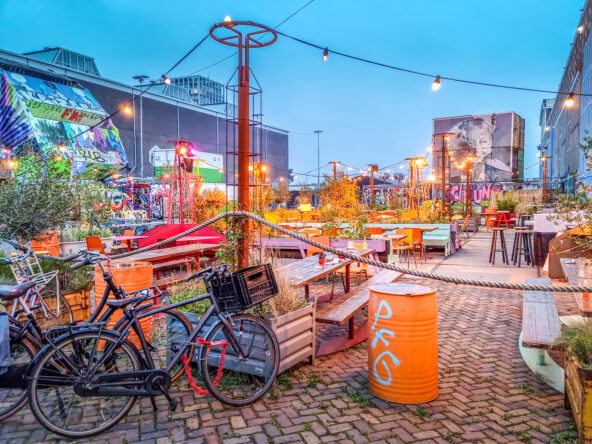
Just across the water from Central Station, Amsterdam Noord has transformed old shipyards and warehouses into a hub of art studios, huge dance parties, and street art covering entire walls. A converted shipping container venue by the water has become one of the most popular hangouts for the area’s creative crowd.
Away from the noise, streets like Van Der Pekstraat still have a quieter, old-fashioned feel, with brick buildings and small cafes where locals gather. It’s a strange but brilliant mix of industrial cool and traditional charm sitting side by side.
Barcelona’s next big thing is still under the radar.
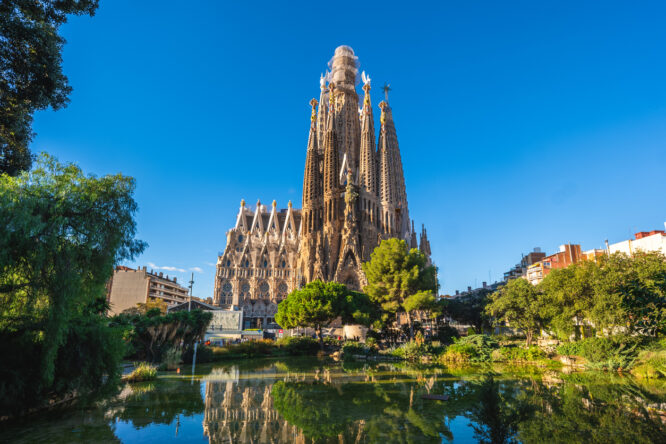
Sants is easy to miss because most people just pass through its train station without stopping to look around. That’s about to change, as the whole area is getting a major redevelopment with new green spaces and public areas planned. For now, it’s still full of small vermouth bars and family run tapas spots that haven’t changed their recipes in years.
A new upscale hotel has recently opened in the area, which is often a sign that a neighbourhood is about to get busier. If you want to see it before that happens, now’s a good time.
Athens’ old port district cleaned up its act.
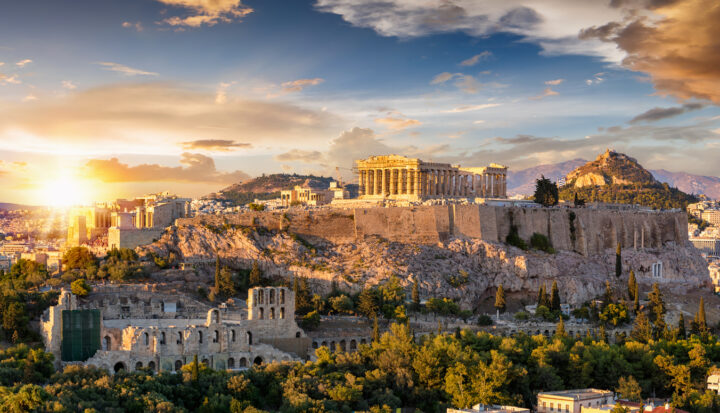
Piraeus used to be known mainly as the place you passed through to catch a ferry to the islands, but it’s changed a lot. Old neoclassical buildings on the hilltop area of Kastella have been turned into small boutique hotels, and former warehouses that once stored tobacco now house art galleries.
Seafood restaurants here are excellent, since fresh catches arrive straight from the port each day. The old red light district has also cleaned itself up, swapping its old reputation for a string of stylish evening bars.
Berlin’s most exciting corner is still evolving.
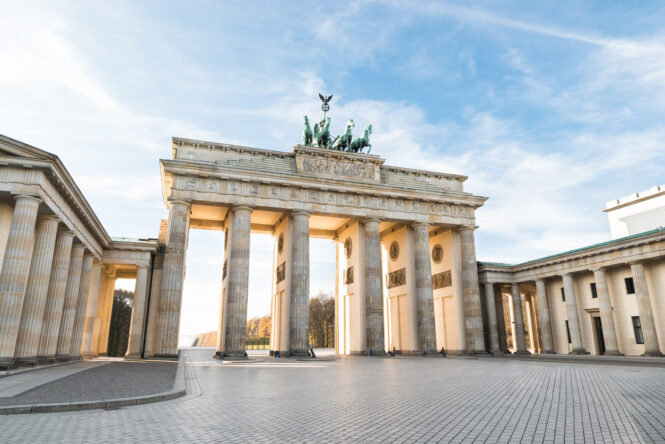
Schillerkiez sits right next to Tempelhofer Feld, a massive park that used to be an airport. The streets here mix cheap kebab shops with trendy brunch spots, and old German pubs sit right next to hidden cocktail bars. It’s one of those places where the old and new versions of a city exist on the same street.
The area has a strong mix of cultures, shaped by decades of immigration, and that shows in the food as much as anything else. A weekend brunch here can take you from traditional German pastries to Middle Eastern dumplings within a few doors of each other.
Venice’s island getaway is only busy in summer.
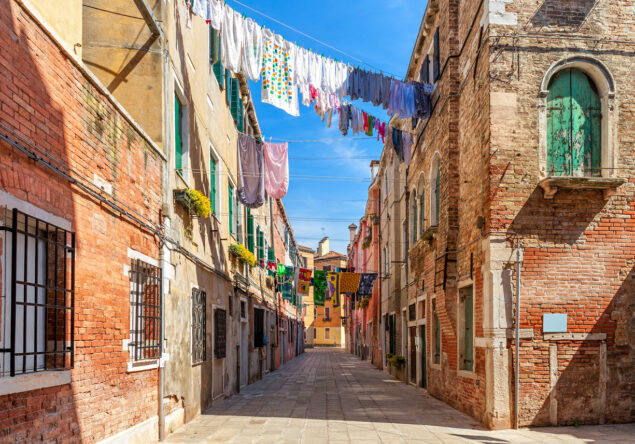
The Lido used to be a playground for the rich in the early 1900s, then it became a quieter, more residential spot. Now it’s getting its buzz back, especially along the beachside strip where bars and restaurants spill out onto the sand in the evenings. Just remember this is very much a summer destination. Outside the warmer months, things quieten down dramatically, so time your visit for when the island is actually alive.
Lisbon’s old royal quarter is on the rise.
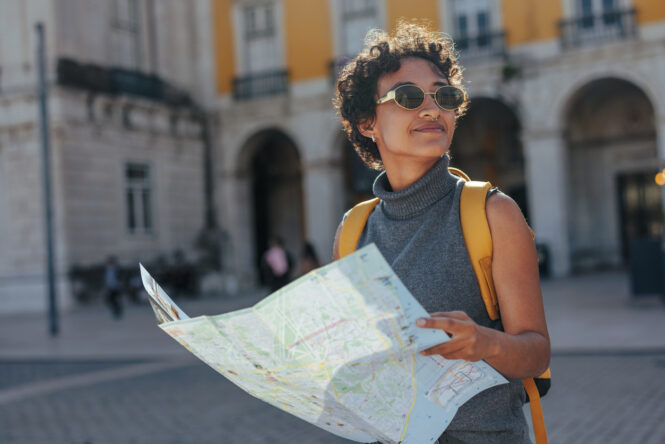
Ajuda still feels like the Lisbon that existed before the recent wave of tourism, with locals sipping small strong coffees rather than queuing for flat whites. It’s home to a former royal palace that now houses a museum full of treasures once owned by Portugal’s last kings. A new boutique hotel has opened nearby, which locals see as an early sign that the area’s popularity might be about to grow. For now, though, it’s still one of the calmer, more traditional corners of the city.
Prague’s design district used to be forgotten.
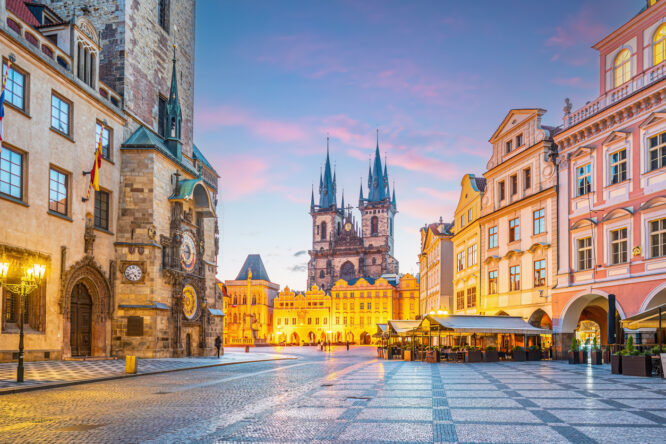
Holesovice was once known for little more than a slightly run down fairground and rows of plain housing blocks. These days it’s full of small design studios, independent cinemas, and cafes where you’re just as likely to bump into a local filmmaker as a tourist. The streets between the science museum and the modern art gallery are the best place to start exploring, packed with small shops and places to eat that reflect the area’s growing creative scene.