
Drivers across the UK are being reminded that switching on fog lights at the wrong time can land you with an unexpected fine.

With murky autumn mornings and freezing winter mist rolling in across the roads, it’s easy to flick them on for extra peace of mind and then forget all about them once the weather brightens up. The Highway Code states clearly that fog lights should only be used when visibility is seriously reduced, which generally means you cannot see more than 100 metres ahead.
Leaving those high-intensity bulbs blazing after the fog clears dazzles oncoming motorists and masks your brake lights, which is why police regularly issue penalties for misusing them. Here’s a straightforward look at what the official rules say, how much a slip-up could cost you, and how to handle your lights safely when visibility drops.
What the Highway Code says
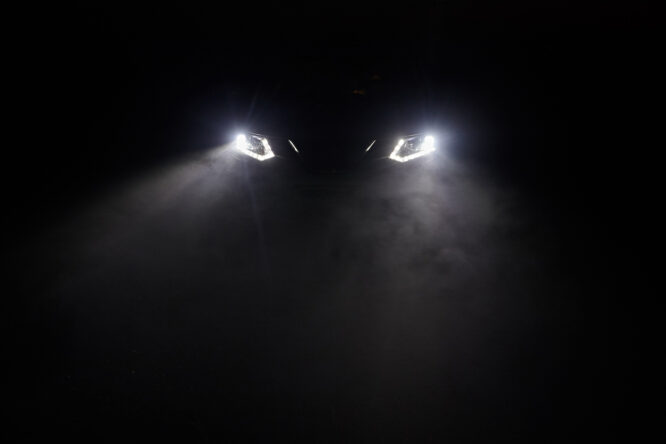
Rule 226 of the Highway Code says you must use headlights when visibility is seriously reduced, generally when you can’t see more than 100 metres. You may also use front or rear fog lights in these conditions, but you must switch them off when visibility improves. Rule 236 goes further and says you must not use fog lights unless visibility is seriously reduced. This is because they can dazzle other road users and make it harder for drivers behind you to see your brake lights.
How much you could be fined
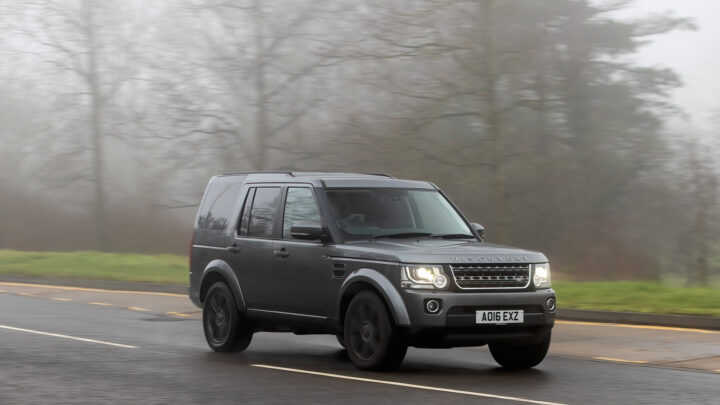
Using fog lights when visibility isn’t seriously reduced can lead to a £50 fixed penalty. If the case goes to court, for example because you challenge the fine, the penalty can be much higher, up to £1,000. Driving in thick fog without the right lights on can also land you in trouble. If police decide your driving put others at risk, you could face a careless driving charge, which usually means a £100 fine and three penalty points on your licence.
Why leaving them on is a problem
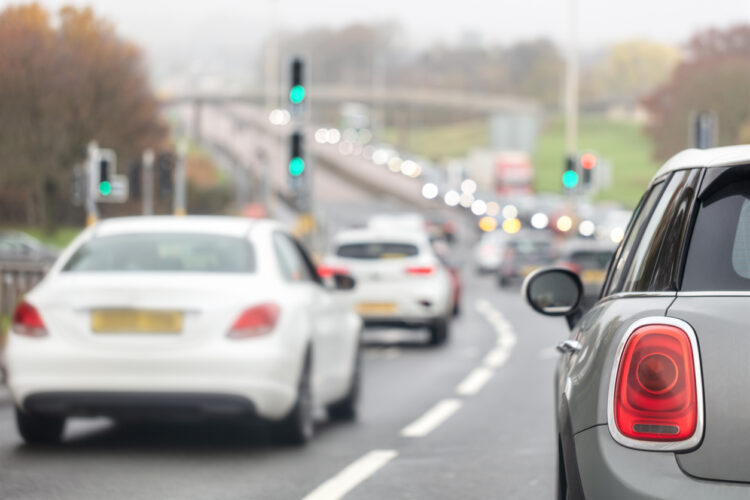
Rear fog lights are very bright, and in clear conditions they can easily be mistaken for brake lights. That can confuse the driver behind you, who may not be able to tell when you’re actually slowing down. Front fog lights can also dazzle oncoming drivers, especially on dark country roads. Many people switch them on in fog and then forget about them, driving for miles after the weather has cleared.
The 100-metre guide
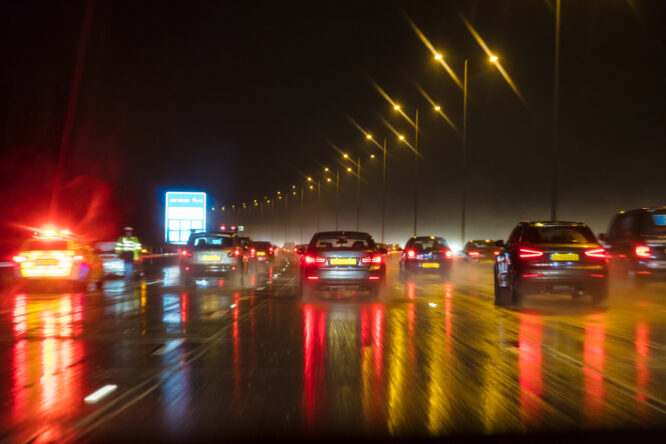
A simple way to judge whether you need fog lights is to think about the 100-metre rule. That’s roughly the length of a football pitch, so if you can’t see that far ahead, it’s time to switch them on. On motorways, the gap between marker posts on the hard shoulder can help you judge the distance. Once you can see clearly beyond 100 metres again, switch your fog lights off.
How to check your fog lights are on
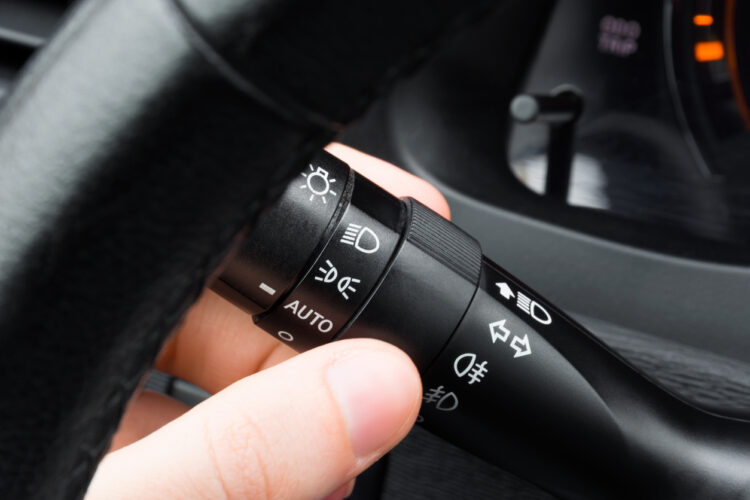
Most cars show a dashboard symbol when the fog lights are on, usually an orange light for rear fog lights and a green one for front fog lights. It’s worth getting to know where the switch is in your car before you need it, so you’re not searching for it in poor visibility. If you share a car or drive a hire car, check the dashboard before setting off. Some cars keep the fog lights on from the last journey, which is an easy way to end up driving with them on by mistake.
Driving safely in fog
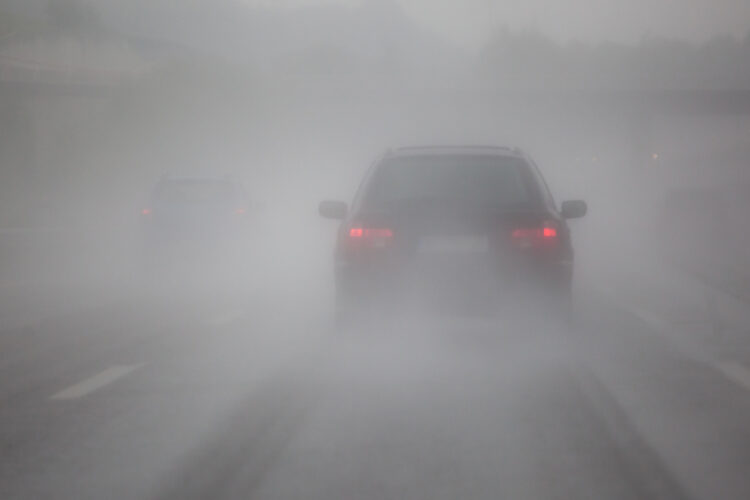
Slow down and leave a much bigger gap between you and the car in front, as it’s harder to judge distances and react in time when visibility is poor. The Highway Code also warns against hanging on to the tail lights of the car in front, as it gives a false sense of security.
Use dipped headlights rather than full beam, as full beam reflects off the fog and can make it harder to see. Keep your windscreen clean, use your wipers and demisters, and open the window slightly at junctions so you can hear other traffic.
Fog can come and go.
Fog often forms in patches, so you might drive in and out of it several times on the same journey. Each time you come out into clear conditions, it’s worth checking whether you still need your fog lights on. Fog is common in November because clear, still nights let the ground cool quickly, which turns moisture in the air into fog by morning. It usually starts to clear by late morning, but it can last all day in some areas.
Before you set off

Before your next drive in fog, make sure you know where your fog light switch is and what the dashboard symbol looks like. Turn them on only when you can’t see more than 100 metres ahead, and switch them off as soon as the fog lifts. It only takes a second to check, and it could save you a £50 fine and help keep everyone on the road safe.