You don’t always need a full breakdown to realise you’re stuck.
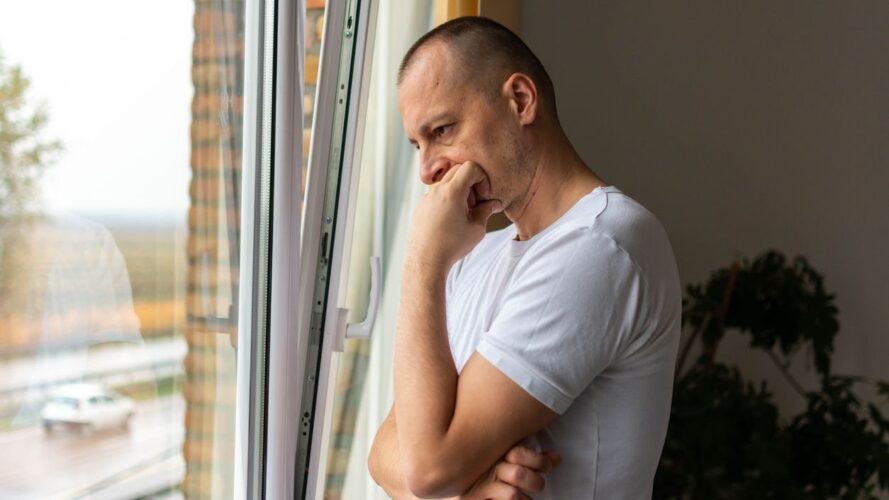
Most people imagine hitting a wall in life as some loud, cinematic meltdown where you pack a bag at midnight or walk out of a meeting in tears. Far more often, being stuck feels like sitting in a parked car with the engine idling, watching months roll past on the calendar while your daily routine stays weirdly identical to last year.
Usually, the things holding you in place aren’t dramatic external disasters or terrible luck. They’re small, uncomfortable habits of thinking that feel completely reasonable in the moment while keeping you tethered to the exact spot you claim you want to leave.
You want a different life without giving up your current comfort.

Everyone loves the idea of landing a better job, getting fit, or changing cities right up until the moment those changes ask for awkward conversations, sore muscles, or boring Tuesday evenings spent learning a new skill. Your brain is wired to treat unfamiliar effort like a warning signal, even when the change you’re making is deeply positive.
Psychologists studying behavioural change often point out that human beings naturally default to homeostasis, clinging to predictable routines simply because we already know how to survive them. Waiting around until a big move feels completely effortless guarantees you’ll stay right where you are.
You’re treating the passing of time as an action plan.
Saying “I’ll see how things look in six months” sounds sensible and measured, but most of the time, it’s just procrastination wearing a smart jacket. Unless you actively change a habit, have the difficult conversation, or apply for the role, six months from now simply gives you 180 more days of practicing the same rut.
Time doesn’t clear out dead-end jobs or lopsided relationships on its own; it just dulls your urgency until frustration starts feeling like normal background noise. Letting the calendar turn without making a decision is still a choice, and it usually votes to keep everything unchanged.
Blaming bad luck feels easier than owning your part in the pattern.

Plenty of unfair things happen in life, from sudden redundancies to terrible bosses and lousy timing. Still, when every stalled project, messy friendship, or financial squeeze gets blamed entirely on outside forces, you hand away all your power to fix it.
Psychologist Julian Rotter coined the concept of locus of control decades ago, showing that people who believe their choices actually steer outcomes adapt far faster than those who feel helplessly tossed around by circumstance. Spotting the one habit, boundary, or avoidance tactic you brought to the table stings for five minutes, then immediately hands you the steering wheel back.
You keep waiting to feel “ready” before getting started.
Most people treat confidence like a prerequisite, or something you need to stock up on before launching a business, asking someone out, or speaking up in a senior meeting. In reality, confidence almost always arrives as a receipt after you’ve already done the scary thing a few times and survived.
Waiting to feel completely ready is just another way of letting anxiety run your diary. Taking a clumsy first step while your stomach is still in knots is how you prove to yourself that you can handle unfamiliar territory.
You’re still trying to please people who don’t actually think about you that much.
A surprising number of adults make major career, financial, and lifestyle choices to impress former classmates, critical relatives, or social media acquaintances who spend roughly four seconds a month thinking about them. Shaping your life around avoiding someone else’s raised eyebrow keeps you trapped in a script you didn’t even write.
Once you accept that other people are far too busy worrying about their own mortgages, waistlines, and awkward moments to closely audit yours, a huge amount of pressure evaporates. Living for outside applause leaves you exhausted with very little to show for it at the end of the week.
You think overthinking counts as doing something.

Reading 14 articles, making colour-coded pros-and-cons lists, and talking through the same dilemma with three different friends feels productive because your brain is working hard. Yet overthinking is frequently just a clever stalling tactic designed to keep you safely inside the planning stage where nothing can actually go wrong.
You can’t think your way through a real-world problem forever without gathering live feedback. Testing a small, imperfect move in the real world teaches you more in 48 hours than six months of pacing around your kitchen wondering what might happen.
You’re staying loyal to a life you outgrew long ago.

People routinely hang onto careers, social circles, or long-term goals long after they’ve stopped fitting, mostly because walking away feels like admitting the past five years were wasted. Economists call this the sunk cost fallacy, which is another way of saying pouring fresh time and energy into a losing investment simply because you’ve already paid a high price to get there.
Changing direction doesn’t erase what you learned along the way. Letting go of an old ambition or a draining dynamic simply clears space for something that matches who you are today rather than who you were at 26.
You mistake busyness for productivity.

Filling every waking hour with emails, errands, and side projects makes you feel indispensable, yet relentless motion is often just a socially acceptable way to avoid sitting with uncomfortable questions. When your self-worth relies entirely on ticking boxes, taking a quiet afternoon off triggers immediate guilt.
Being permanently exhausted keeps you too tired to notice whether you’re actually heading somewhere worthwhile. Stepping off the treadmill long enough to catch your breath lets you separate urgent noise from the few things that deserve your focus.
You’re waiting for your calendar to clear before putting plans into action.

There’s always a reason to push a big decision back to next month—a busy quarter at work, an upcoming family event, a tight bank balance, or a nagging cold. Waiting for a completely calm, complication-free window to launch a project or change your routine means delaying it indefinitely.
Real life stays messy from January right through to December. Starting small right in the middle of a normal, chaotic Tuesday builds far more traction than waiting around for ideal conditions that never arrive.
You let fear masquerade as logic.

Avoidance gets remarkably clever once you become an adult, disguising itself as “doing more research,” “being realistic,” or “waiting until the economy settles down.” On the surface, you sound thoughtful and strategic; underneath, you’re just terrified of failing publicly or looking foolish.
Checking real risks is smart, yet hiding behind endless caution keeps your world shrinking year after year. Calling fear by its proper name strips away its disguise so you can decide whether the risk is actually worth taking.
You’re constantly trying to recreate an old version of yourself.

It’s easy to get trapped measuring your current life against a highlight reel from ten years ago, wishing you still had the same stamina, carefree schedule, or clear-cut certainties. Trying to force yourself back into an old mould ignores everything you’ve learned and lived through since then.
Growing older works best when you build around your current strengths, priorities, and hard-won perspective rather than trying to stage a nostalgic comeback tour. Moving forward means designing a life that fits who you are now.
You’re scared of what happens if things actually go well.

Most people assume fear of failure is what keeps them rooted to the spot, yet fear of success can be just as paralysing. Landing the promotion, starting the business, or entering a healthy relationship brings higher expectations, greater visibility, and zero excuses left to hide behind.
A familiar rut might feel frustrating, yet at least you know all the corners and rules. Stepping into a bigger, brighter chapter asks you to show up fully, and trusting yourself to handle that expansion is often the final hurdle to breaking free.