When the weather turns cold, there are few things more comforting than a big bowl of homemade soup, and it’s also one of the cheapest meals you can make.

With a few vegetables, a stock cube and a handful of lentils or split peas, you can make a pot that feeds four people for well under £1 a portion, and often for less than 50p. We’ve worked out the costs of six easy winter soups using everyday own-brand prices at Tesco, so you can see exactly where your money goes, along with tips on how to make each pot go even further.
How we worked out the cost

Each recipe below makes four generous portions, and the costs are based on the price of the amount you actually use, rather than the whole bag or pack. So if a 1 kg bag of carrots costs 75p and you use half of it, we’ve counted it as about 38p, as the rest will go into another meal later in the week. We’ve also allowed a little extra for things most kitchens already have, like oil, salt, pepper, and a pinch of dried herbs or spices.
Prices change from week to week and vary between supermarkets, so treat these as a guide rather than an exact bill. Buying loose vegetables, choosing “wonky” or value ranges and shopping at Aldi or Lidl, or at supermarkets that price match them, can bring the cost down even further.
Carrot and red lentil soup costs about 35p a portion.
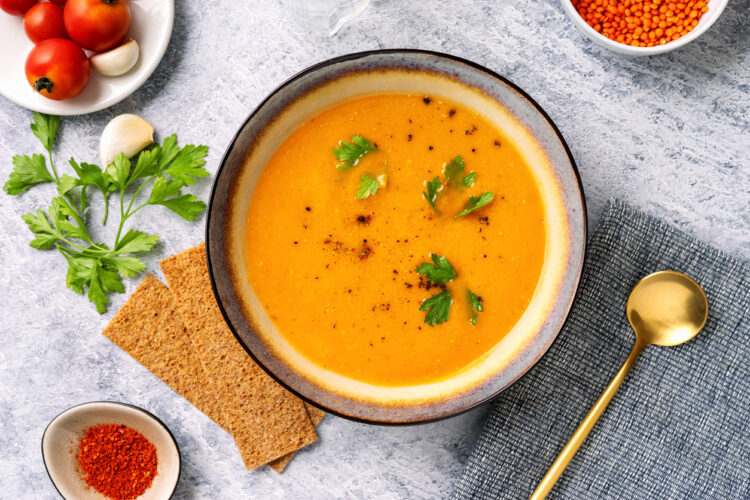
This is one of the cheapest and most filling soups you can make. Soften a chopped onion and a crushed clove of garlic in a little oil, then add 500g of chopped carrots, 150g of red lentils, a teaspoon of ground cumin and about 1.2 litres of vegetable stock. Simmer for around 20 to 25 minutes until the lentils have broken down, then blend until smooth or leave it chunky.
The carrots cost about 38p, the onion around 35p, the lentils roughly 39p from a £2.60 1 kg bag, and a stock cube about 10p, which comes to around £1.40 for the pot. The lentils add protein and thicken the soup without any cream, so it keeps you full for hours.
Spiced parsnip soup will be about 35p a portion.
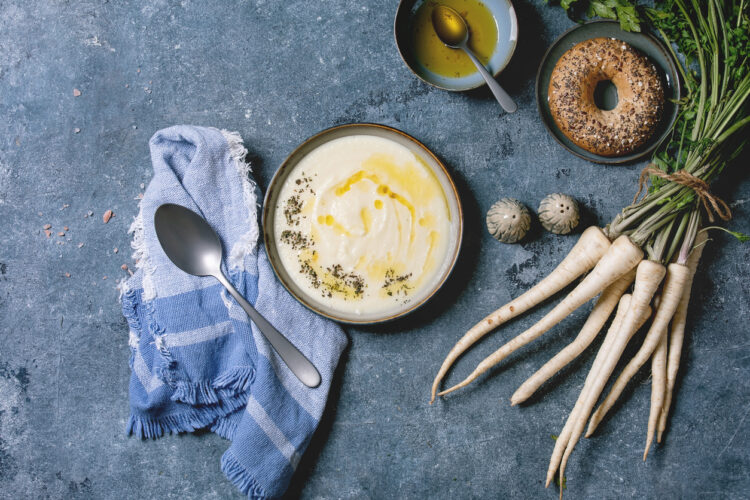
Parsnips are in season and cheap in winter, and a little curry powder gives them a gentle warmth. Fry an onion until soft, add 500g of chopped parsnips, a small potato and a teaspoon of mild curry powder, then pour in a litre of stock and simmer until everything is tender. Blend it until smooth and add a splash of milk if you like it creamier.
A 500g bag of value parsnips costs about 55p, and with the onion, potato, stock cube and spice, the pot comes to around £1.40. It’s a good one to make when parsnips are on offer in the run-up to Christmas, when supermarkets often cut the price of root vegetables.
Leek and potato soup is just about 60p a portion.
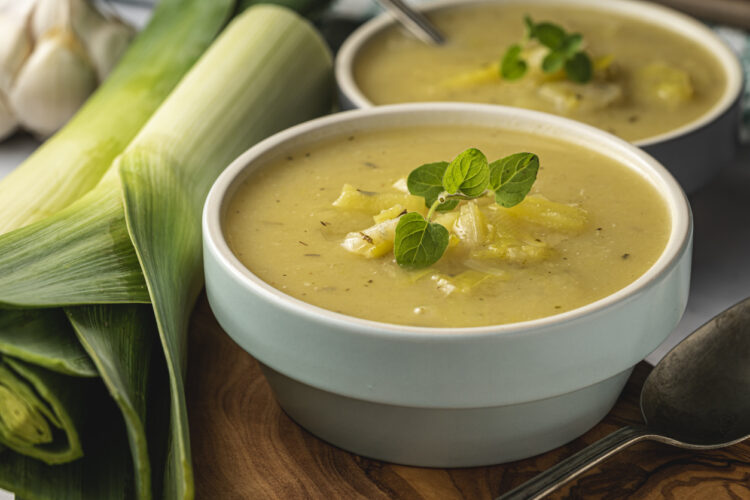
This classic needs only a few ingredients and tastes far better than most shop-bought versions. Slice two leeks and an onion and cook them gently in a little butter or oil for about ten minutes, without letting them brown. Add 500g of peeled, diced potatoes and a litre of stock, simmer for 20 minutes, then blend and stir in a splash of milk.
A 500g pack of leeks is about £1.37, the potatoes around 35p from a £1.39 2 kg bag, plus the onion and stock, so the pot comes to about £2.40. Leeks are the priciest part, so if you spot them reduced late in the day, buy them and freeze them sliced for next time.
Yellow split pea and vegetable soup costs around 45p a portion.

Split pea soup is an old-fashioned favourite that’s very cheap and very filling. Add 250g of yellow split peas to a pan with a chopped onion, two carrots, half a swede and about 1.5 litres of stock, then simmer for around an hour until the peas are soft. Some packs suggest soaking the peas first, so check the instructions on yours.
Half a 500g bag of split peas costs about 65p, half a swede around 31p, and with the onion, carrots and stock the total is roughly £1.70. A bag of split peas makes two pots, so it’s well worth keeping one in the cupboard through winter.
Tomato and bean soup is around 55p a portion.
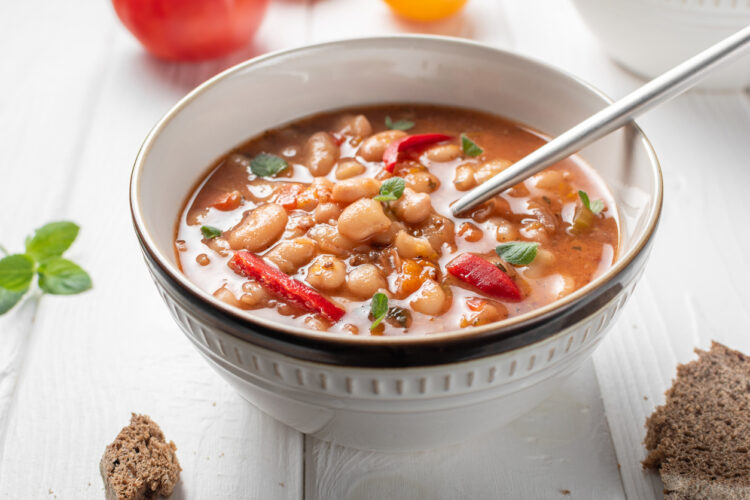
This chunky, minestrone-style soup uses cupboard staples and is ready in half an hour. Soften an onion, a carrot and two sticks of celery, then add two tins of chopped tomatoes, a drained tin of kidney beans, a litre of stock and a pinch of dried mixed herbs. Simmer for 20 minutes, adding a handful of small pasta for the last ten if you want it more filling.
Two tins of chopped tomatoes cost about 94p, a tin of kidney beans can be as little as 39p, and with the vegetables and stock, the pot comes to roughly £2.15. Use any tinned beans you have, such as cannellini or butter beans, and it will work just as well.
Roasted butternut squash soup is roughly 55p a portion.
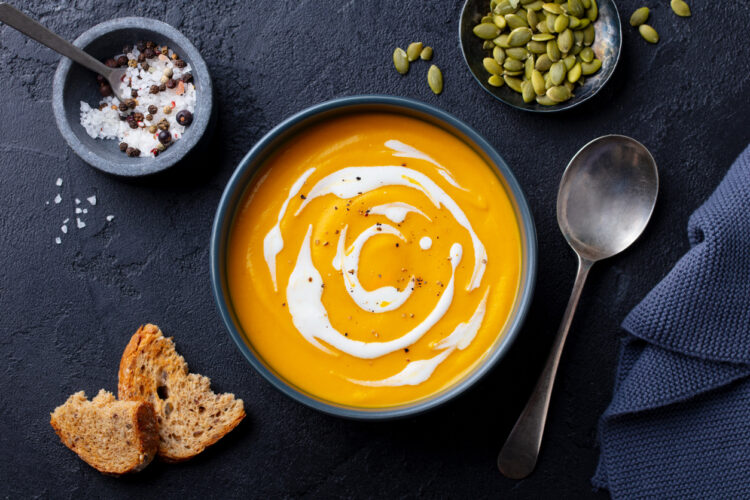
Roasting the squash first brings out its natural sweetness, but you can simply simmer it if you’d rather not put the oven on. Peel and chop one butternut squash, add an onion, two carrots and a crushed clove of garlic, and cook until soft before blending with about a litre of stock. A pinch of chilli flakes or nutmeg works well.
A whole butternut squash costs about £1.50, and with the onion, carrots, garlic and stock the pot comes to around £2.15. Save the seeds, rinse them and roast them with a little oil and salt for a free snack or a crunchy topping.
Make your soup go further
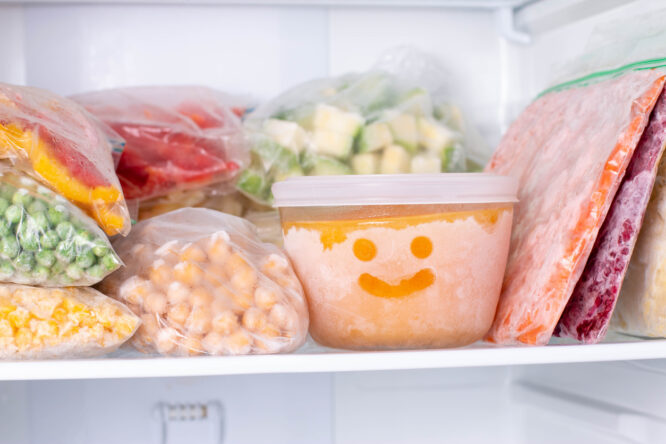
Making a big pot and freezing portions is the easiest way to save money and time. Most soups freeze well for up to three months, so let them cool, pour them into containers or freezer bags and label them with the date. Defrost them in the fridge overnight and reheat until piping hot all the way through.
You can also cut costs by using what’s already in your fridge. Soft carrots, the last bit of celery and odd potatoes all work in soup, so it’s a great way to cut food waste. Cooking on the hob rather than in the oven usually costs less to run too, and if you have a slow cooker, you can leave the soup to cook gently while you get on with your day.
Plan a week of soup lunches.
Pick two of these recipes, write a short shopping list and make both pots at the weekend. That gives you eight portions, enough for a week of lunches for one person with a few left over for the freezer, all for around £3 to £4.
Take a flask to work instead of buying lunch out, and you could save several pounds a day. Over a whole winter, that adds up to a real saving, and you’ll have a warm, homemade lunch to look forward to on the coldest days.