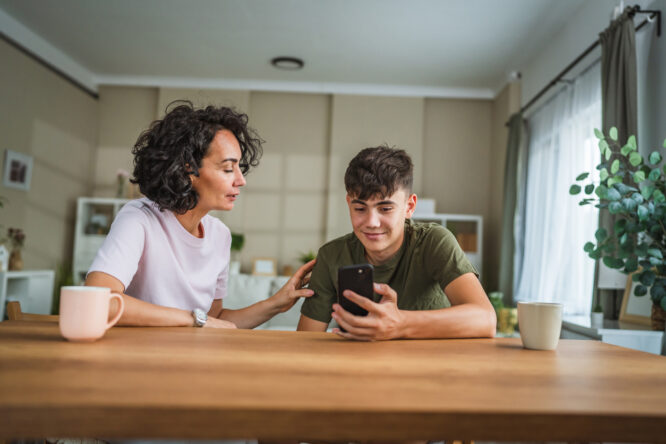
Technology has changed how people meet, flirt, and argue, but now it’s changing how they break up, too.
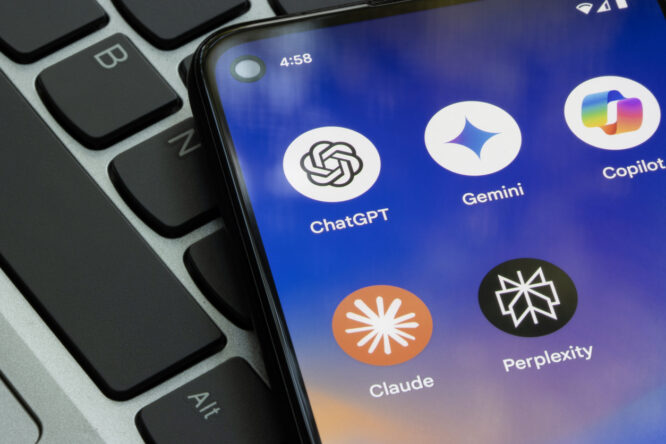
More and more people are turning to ChatGPT to write their messages, resolve arguments, or even end relationships on their behalf. It might seem harmless at first, like getting a bit of help finding the right words, but it’s inevitably stripping away the honesty and emotional effort that real communication needs. When people start outsourcing their feelings to AI, relationships lose the very thing that makes them human. Experts say that’s becoming a much bigger problem than anyone expected, and we should all be worried.
People talk to AI more than their partners.

Many people now use chatbots like ChatGPT when they’re bored or upset instead of talking to their partners. It feels easier because there’s no judgement, no arguments, and instant replies anytime they want. The problem is that this habit slowly replaces real conversation. When you always turn to AI for comfort, your partner starts feeling like they don’t matter as much anymore.
AI gives perfect answers, which sets unfair standards.

Chatbots respond calmly, listen well, and never raise their voices. Real people can’t compete with that. Some partners start expecting their relationships to feel as easy as chatting with an AI. That makes normal human flaws feel bigger than they are. Small misunderstandings turn into dealbreakers because AI has made emotional connection look simple when it never really is.
People use it to vent instead of fixing problems.

It’s common to ask ChatGPT for advice after a fight instead of working things out face to face. The chatbot gives logical answers, but it can’t understand tone, history, or deep emotions. That can stop couples from learning how to talk properly. Instead of growing closer through real communication, they start depending on AI to tell them how to feel.
It creates emotional distance in the long run.

Spending more time talking to an app than your partner slowly changes how you connect. You start to feel less comfortable being honest with the real person beside you. Even if the AI feels like a safe space, it can’t give genuine care or human warmth. You end up lonelier, not more understood.
It makes emotional cheating a lot easier.

Some people use chatbots as emotional replacements. They flirt, share personal details, or say things they wouldn’t tell their partner. They see it as harmless, but it’s not. When you start hiding those chats, it’s already a problem. You’re giving emotional energy to something that isn’t even real, while your partner gets less of you.
It feeds insecurity and comparison.

AI always responds thoughtfully and remembers what you say. It can make your real relationship seem disappointing by comparison, especially if your partner struggles with communication. That kind of comparison is unfair. Real love isn’t meant to be polished or perfect, and expecting that from someone human will always lead to letdowns.
Some people fall for the illusion of connection.

When you talk to AI often, it can start to feel personal. You might think it “gets” you better than anyone else. However, what’s happening is just clever programming that mirrors your words back to you. It’s not real understanding. It tricks the brain into feeling close to something that can’t feel back, which makes real-world intimacy harder to build.
Arguments get replaced with avoidance.

Instead of resolving conflict, some people retreat into chatbot conversations to escape stress. It feels peaceful, but it’s clearly avoidance masquerading as self-care. Every time you choose silence or AI comfort over a real talk, you move further away from solving the actual issue. That quiet space grows until the relationship feels empty.
Partners (often rightfully) feel jealous of the screen.

It’s easy to feel replaced when someone spends hours chatting with AI instead of connecting in person. Even if there’s no flirting, the emotional distance still hurts. It’s not the technology itself that breaks trust, but how it’s used. When one person feels like they’re competing with a chatbot, resentment starts to build.
It changes how people see love.

AI gives fast, smooth emotional feedback, which can make real love feel too slow or complicated. Some people start seeing relationships as hard work instead of something to grow through. That mindset leads to quick exits instead of problem-solving. If love doesn’t feel effortless like an AI chat, they assume it’s broken, when it’s actually just real.
It gives fake comfort after fights.

After an argument, it’s easier to type your feelings into ChatGPT or Claude or Gemini or whatever than to face the tension. The bot gives soothing replies, but that comfort is hollow. It can’t offer forgiveness or real change. Relying on that short-term calm means couples miss out on the hard but healing talks that rebuild trust and closeness.
It blurs the line between help and replacement.

AI can be useful for advice or reflection, but some people let it replace real emotional work. They ask it to “understand” their partner instead of actually listening themselves. That makes emotional growth stall. Relationships need effort and empathy, not answers from a machine that doesn’t have feelings of its own.
It can expose deeper loneliness.

Many people using AI for emotional talk aren’t trying to cheat or avoid love, they’re lonely. Chatbots are easy to reach when human connection feels too complicated or draining. Unfortunately, that loneliness only deepens over time. The more you rely on something that can’t care back, the harder it becomes to reach for real people again.
It’s changing what we expect from connection.

AI isn’t ruining relationships by itself. It’s changing how people think love should feel. Instant replies and calm words make real emotions seem messy or too much effort. However, love has always been messy. It’s built through patience, hard talks, and real touch. The more we remember that, the less power a screen has to come between us.