As frosty nights take hold across the UK, British Gas has shared advice on how low you can safely set your heating while you’re away from home.
The energy supplier says the thermostat shouldn’t drop below 5C to 7C, which should be enough to protect your home from cold-weather damage without sending your bills soaring. It’s also encouraging households to carry out a few simple checks now, before winter really sets in, to keep their homes warm and running smoothly over the coming months.
What to set the heating to when you’re out
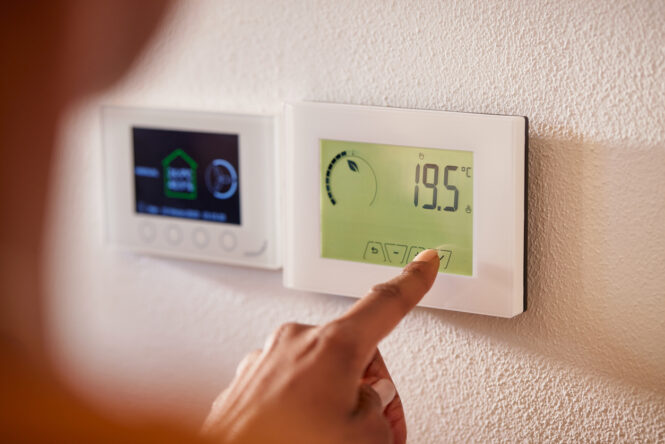
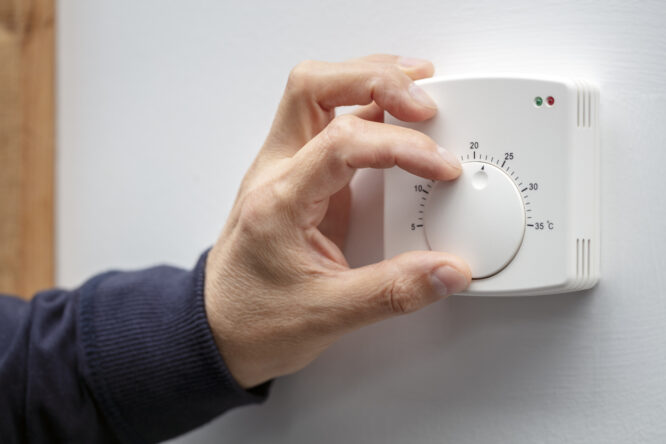
If you’re heading off for a few days, or even just out at work all day, it can be tempting to switch the heating off completely to save money. British Gas, however, recommends keeping the thermostat at somewhere between 5C and 7C instead. This low setting won’t keep the house cosy, but it will stop it from getting cold enough to cause problems. The idea is to strike a balance between protecting your home and not paying to heat empty rooms.
Many modern thermostats and smart heating systems have a frost setting or holiday mode, which makes this easy to do. If yours doesn’t, you can simply turn the dial down to the lowest safe level before you leave. It’s a small change that can save a lot of hassle and expense when you get back. Some smart systems even let you turn the heating up from your phone on the way home, so the house is warm when you walk through the door.
A little warmth goes a long way.
When temperatures plunge, water sitting in pipes can freeze. As it turns to ice, it expands, which can crack or split the pipe. Once temperatures rise again, water can leak out, sometimes causing serious damage to ceilings, floors, walls, and belongings. Repairs can be expensive and stressful, especially if the problem isn’t spotted for a while. A burst pipe in an empty house can leak for days before anyone notices.
Keeping a small amount of heat running through the house helps prevent this from happening. It also stops damp and condensation from building up as quickly, which can lead to mould. Spending a little on low-level heating is usually far cheaper than dealing with a burst pipe or a soaked carpet in the middle of winter. It’s also useful to know where your stopcock is, so you can turn off the water quickly if a leak does happen.
How to keep warm when you’re at home
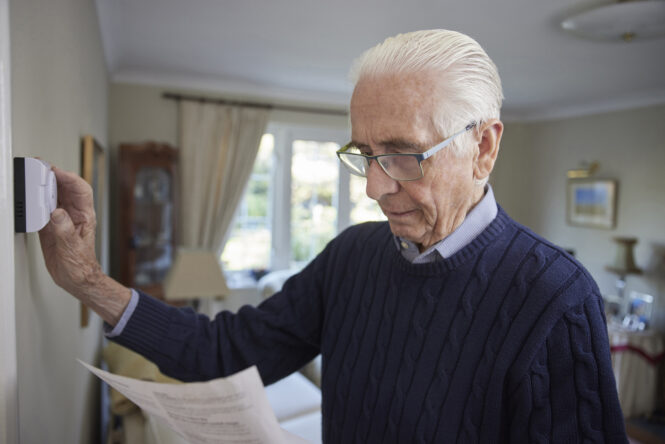
When you’re in the house, the NHS recommends heating the rooms you use to at least 18C during the colder months. This is especially important for older people, babies, and anyone with health conditions, as cold homes can make some illnesses worse and raise the risk of chest infections, heart problems and falls. Keeping an eye on elderly neighbours or relatives during a cold snap can make a real difference.
If you can’t afford to heat your whole home, try to keep the main room you spend time in at a comfortable temperature, and warm up your bedroom before you go to sleep. Wearing several thin layers, using a hot water bottle and keeping curtains closed after dark can all help hold on to the heat. Eating regular hot meals and having warm drinks through the day can help your body stay warm too.
Checking your boiler pressure should be a priority.
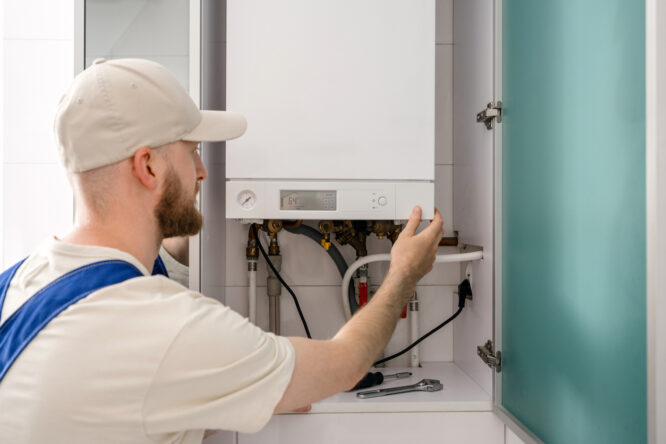
One of the simplest jobs British Gas suggests is checking the pressure on your boiler. Over time, the pressure can slowly drop, and if it falls too low, your heating may not work as well or could stop altogether. On most boilers, there’s a small gauge on the front that shows the reading. It only takes a second to glance at, so it’s an easy habit to get into each month.
The pressure should usually sit between 1 and 1.5 bar when the heating is off, and many gauges have a green zone to make this easier to spot. If it’s lower than that, your boiler manual should explain how to top it up, which often involves turning a small tap or lever underneath. If you’re unsure, or the pressure keeps dropping, it’s best to call a registered engineer to have a look. Booking a yearly boiler service is also a sensible way to catch small problems before they turn into a breakdown on a freezing night.
Bleeding radiators and stopping draughts is vital.
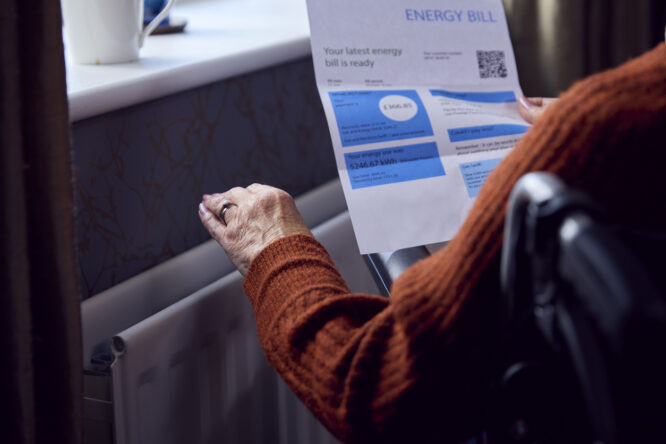
If your radiators feel cold at the top but warm at the bottom, there’s probably air trapped inside. Letting it out, known as bleeding the radiator, helps them heat up evenly and work more efficiently. With the heating switched off and the radiators cool, use a radiator key to gently open the small valve at the top until you hear a hiss, then close it as soon as water starts to appear.
Once you’ve finished, check your boiler pressure again, as bleeding radiators can cause it to drop. It’s also a good idea to look for gaps around windows and doors where warm air could be escaping. Draught excluders, sealing strips and thick curtains are cheap and easy ways to keep more heat inside your home. Even a rolled-up towel along the bottom of a door can help on a chilly evening.
Protect pipes and clear gutters.
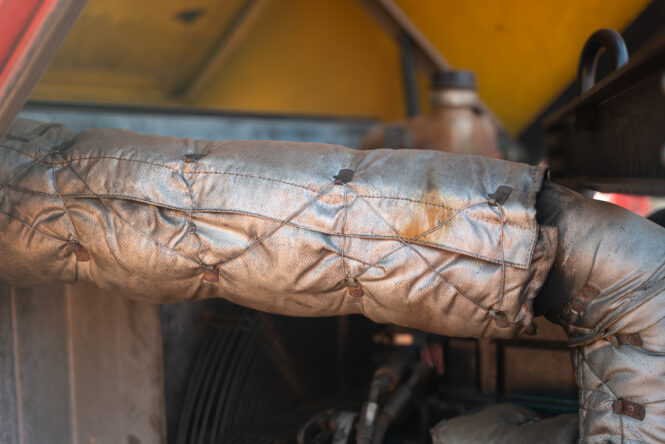
Pipes in lofts, garages and outside walls are most at risk of freezing, so British Gas advises insulating them. Foam pipe covers, sometimes called lagging, are inexpensive and available from most DIY shops, and they simply slip over the pipe. Wrapping outside taps or fitting a cover can also help stop them from freezing. Disconnecting garden hoses before the first hard frost is another quick job that can prevent damage.
With wetter weather on the way, clearing leaves and debris from gutters is another job to tackle before winter. Blocked gutters can cause rainwater to overflow and soak into walls, leading to damp. If you can’t reach them safely, ask a professional to do it for you rather than climbing a ladder in icy or windy conditions. Checking for loose roof tiles at the same time can help stop leaks when heavy rain arrives.
Bills are set to rise in the new year.

The advice comes as household energy bills are expected to go up by £276 a year from January, with rising gas prices linked to the ongoing conflict involving Iran. For many families, that’s an unwelcome extra cost at a time when budgets are already stretched by the festive season. Planning ahead now, while the weather is still fairly mild, gives you time to make changes before the price rise kicks in.
British Gas says one way to keep costs down is to use zonal heating, which means only heating the rooms you actually use. Many homes have thermostatic valves on their radiators, so you can turn them down in spare rooms and up in the living room. Closing the doors to unheated rooms also stops warm air from drifting away. If you’re struggling to pay your bills, contact your energy supplier as early as possible, as they may be able to offer support or a payment plan. Some suppliers and charities also run schemes that offer grants or help towards energy costs for those who qualify.
What the weather has in store
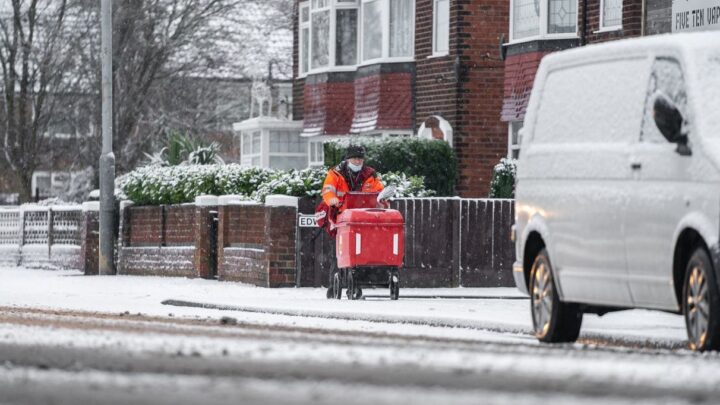
Temperatures dropped as low as -6.5C on one of the coldest nights of the autumn so far, and forecasters say there could be colder spells to come later in November. The Met Office expects the rest of the month to be changeable and often unsettled, with rain at times across the country, and southern areas likely to be the wettest.
Looking ahead to December, more rain is likely in the south and possibly central parts of the UK, while the north, especially the north west, could be drier than usual. The Met Office also says there’s a greater chance of colder weather overall, bringing the risk of snow and ice, most likely in northern areas. Getting your home ready now means you’ll be better prepared if a cold snap arrives, so it’s a good time to work through these simple checks. Most take only a few minutes, and together they can help keep your home warm, dry and safe until spring.